A 12,400-Foot Pass, a Street Camera and a 1,000-Kilometer Question
Matt Hyde pushed a Fujifilm X-E5 and a power-zoom lens across 1,000 kilometers of Kyrgyz passes. The sub-three-pound kit survived hail, dust and an Everest-twice elevation gain.
Photographer Matt Hyde has completed a 25-day, roughly 1,000-kilometer bikepacking traverse of Kyrgyzstan, and the camera he carried weighed under three pounds with three lenses. His account, published with image credits to @mattalatta on PetaPixel, pushes a rangefinder-style street body — the Fujifilm X-E5 — and a motorized video zoom through one of the harshest tests a stills kit can face.
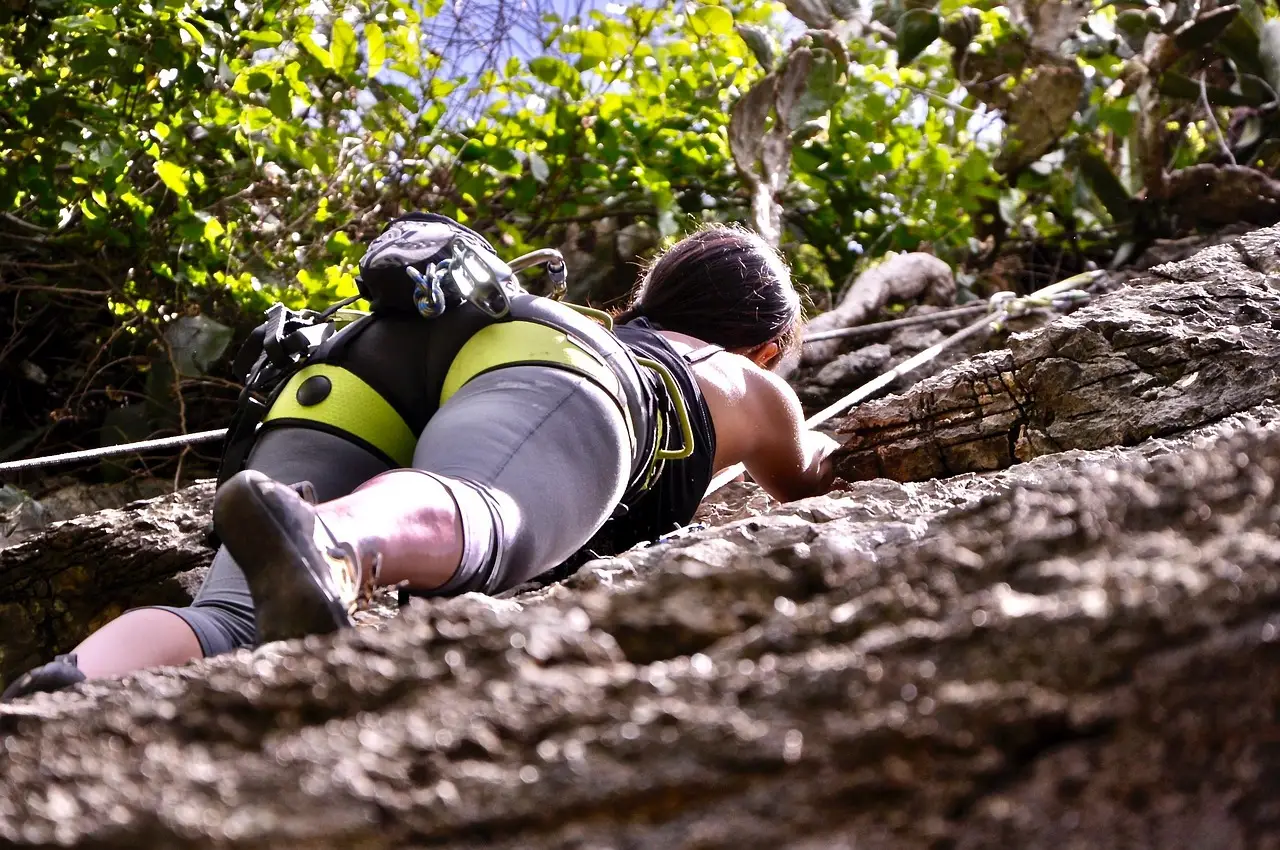
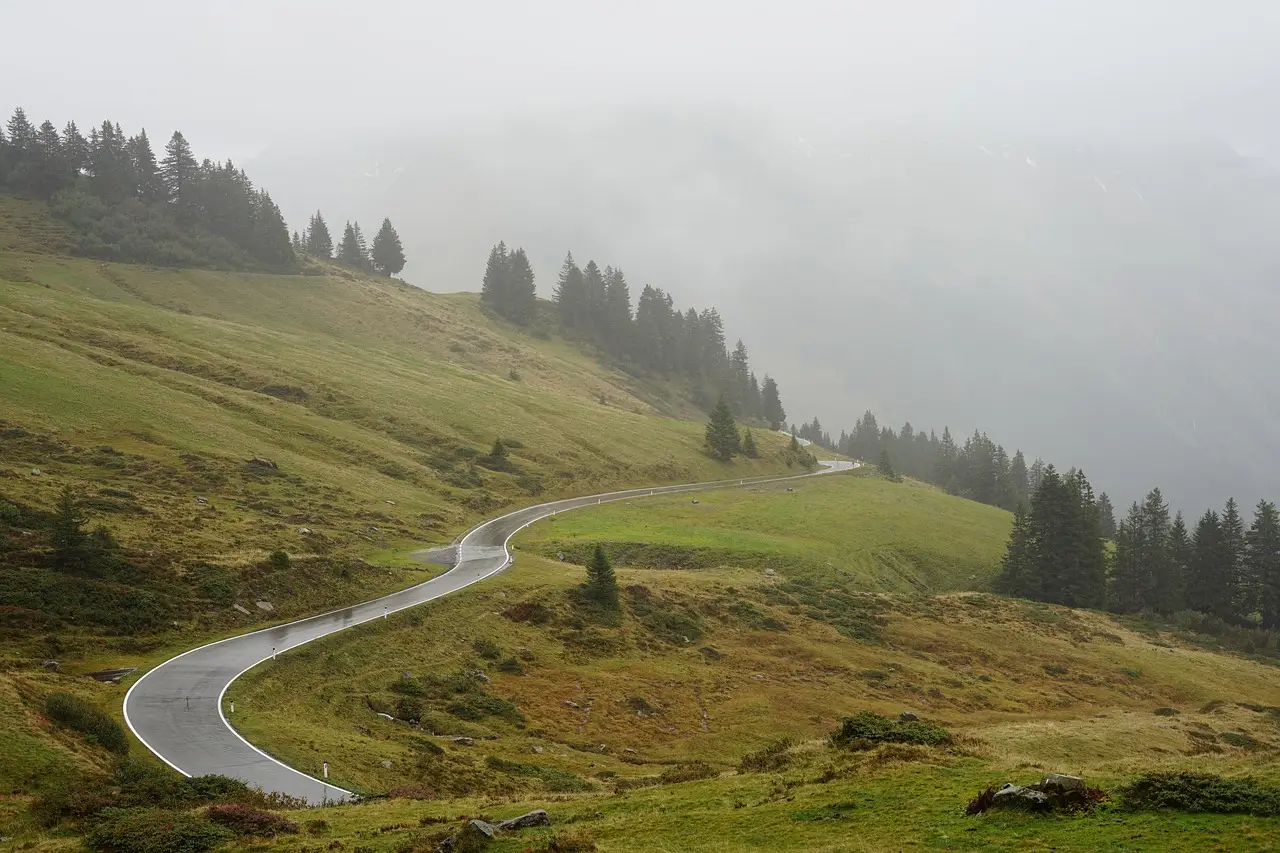
The strongest image in his telling is physical, not technical: sweating with labored breath, pushing a fully loaded bicycle over the 12,400-foot Koi Dzolu Pass while 23,000-foot Pamir peaks loom above and storms on either side pelt him with hail. Kyrgyzstan is the third most mountainous country on Earth, and Hyde frames the arithmetic bluntly. Too much gear makes the expedition physically impossible; too little leaves you vulnerable. Every piece of equipment must earn its place.
What does the route demand from a camera?
Bikepacking, as Hyde defines it, is multi-day bicycle touring taken off-road — dirt tracks, gravel passes and singletrack rather than pavement. Kyrgyzstan has quickly become a premier proving ground for high-altitude routes of this kind.
The photography itself is a hybrid of documentary, landscape and action work under constraints practitioners will recognize immediately. There is no staging, no waiting for ideal light, no stopping the team's progress to set up a shot. Subjects move from the immediate foreground to a quarter-mile down the valley in seconds. What matters, Hyde argues, is immediate physical control, sufficient dynamic range to save harsh midday contrast, and a setup that never slows you down.
Why an unconventional kit?
Conventional wisdom for a backcountry traverse calls for a weather-sealed full-frame body or a tough Micro Four Thirds rig. Hyde chose the opposite: the compact X-E5, smaller and lighter than many Micro Four Thirds options, paired with the Fujifilm XF 18-120mm f/4 LM PZ WR power zoom.
His reasoning is craft, not convenience. Changing lenses on dusty, wind-swept high passes invites sensor contamination, so he needed one versatile zoom with broad reach. The 18-120mm delivered superior sharpness and reach against standard kit zooms while staying significantly lighter than full-frame equivalents. The constant f/4 aperture gave adequate subject separation and allowed low ISO settings under shifting alpine light.
He concedes the trade-off honestly: power zooms are rarely the first choice for fast-paced still photography because of their electronic zoom response. With practice, he says, you learn to work around the zoom speed.
Two tiny primes rounded out the kit:
- Fujifilm 35mm f/1.4 — reserved for low-light campsite portraits and shallow depth-of-field detail shots.
- Laowa 10mm ultra-wide pancake — a minuscule optic for sweeping mountain vistas and immersive cockpit shots.
The body earned its place on performance. Subject-detection tracking locked onto fast-moving riders reliably, and the buffer handled long bursts of RAW plus JPEG shooting. The tactile dials allowed instant adjustments to shutter speed, aperture and focus zones — the physical control his shooting style demanded. Fujifilm's Velvia film simulation let him generate vivid, production-ready JPEGs for quick transmission during rare moments of cellular connection, a workflow consideration for anyone filing from genuinely remote terrain.
Does the test validate the method or the marketing?
Hyde did not gamble. Before departure he rigorously tested two bodies and three lenses on domestic shakedown rides to verify performance under load. Over 25 days he climbed the elevation equivalent of Mount Everest more than twice.
His conclusion speaks to practitioners more than shoppers: modern camera gear is often pigeonholed into hyper-specific marketing categories, but understanding your gear's nuances and tailoring its controls to your workflow matters far more than adhering to nominal camera genres. A pairing that looks ill-suited on paper — street body, video zoom, rugged crossing — worked because the operator spent the effort to learn it.
Kyrgyzstan's vast landscapes, nomadic culture and dramatic passes demand respect, Hyde writes, and an agile camera kit ready for every turn in the trail. As high-altitude bikepacking routes draw more photographers into terrain without staging, light, controllable systems like this one look set to travel further.
Key points
- Matt Hyde traversed roughly 1,000 kilometers of Kyrgyzstan by bike over 25 days, crossing the 12,400-foot Koi Dzolu Pass.
- His full camera kit — X-E5 body plus three lenses — weighed under three pounds and fit in a waist pack.
- He climbed the elevation equivalent of Mount Everest more than twice during the expedition.
- The primary lens was the Fujifilm XF 18-120mm f/4 LM PZ WR power zoom, chosen to avoid lens changes in dusty conditions.
- Before the trip, Hyde tested two bodies and three lenses on domestic shakedown rides to verify performance under load.
Original: alpineworks.com
James Calloway
Show full bio
Market editor covering people, launches and day-to-day practice in Photography exhibitions, photographers, photo books, festivals and awards at Lens Gazette.