Ananth Padmanabhan charts Kolkata’s yellow taxis in Delhi
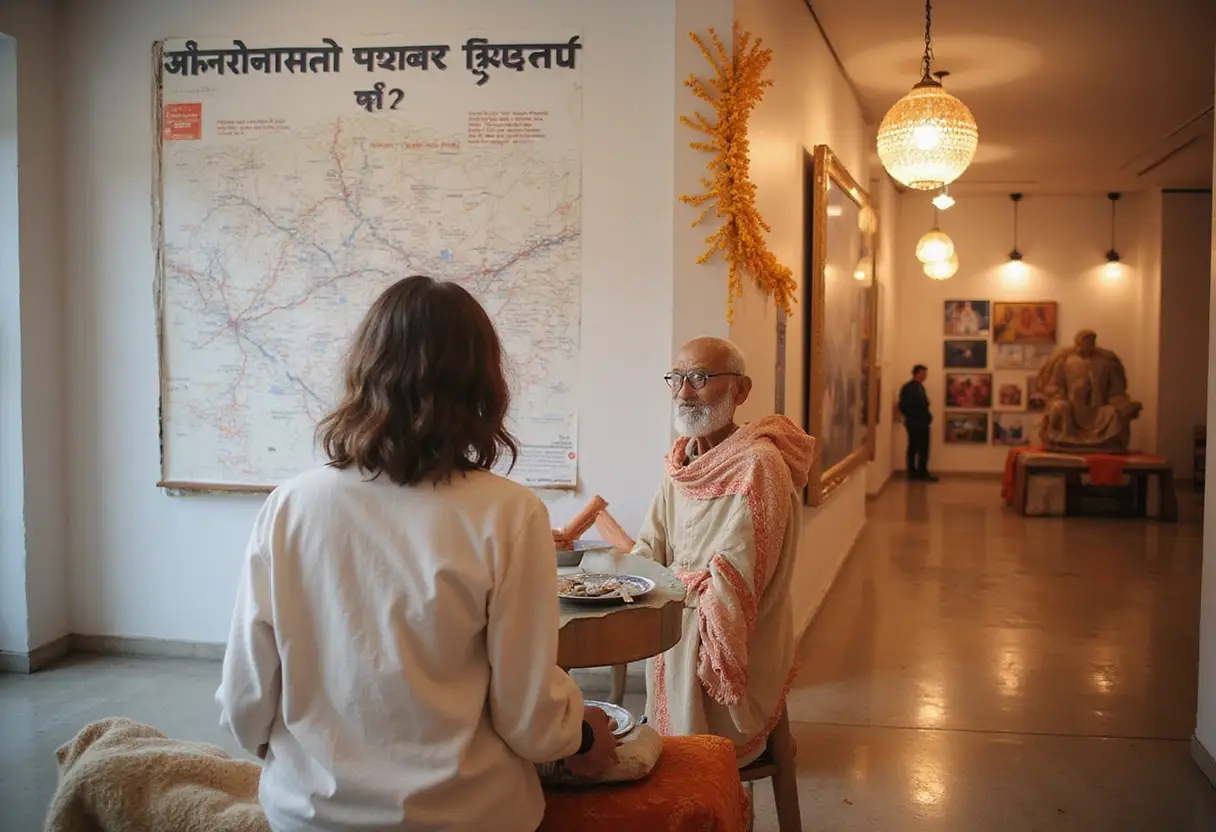
Ananth Padmanabhan’s “No Refusal” assembles 25 years of Kolkata taxi photographs at the India Habitat Centre, tracing yellow Ambassadors from civic icon to vanishing street presence.
By James Calloway
Ananth Padmanabhan’s “No Refusal” opened at New Delhi’s Visual Arts Gallery, India Habitat Centre, with 25 years of Kolkata taxi photographs on view through 10 February.
The solo exhibition gathers images made across 25 years, using Kolkata’s yellow cabs as a register of the city’s changing streets. Padmanabhan, a writer, photographer and chief executive of HarperCollins India, moves from active traffic to vehicles at the end of their working lives.
What do the photographs show?
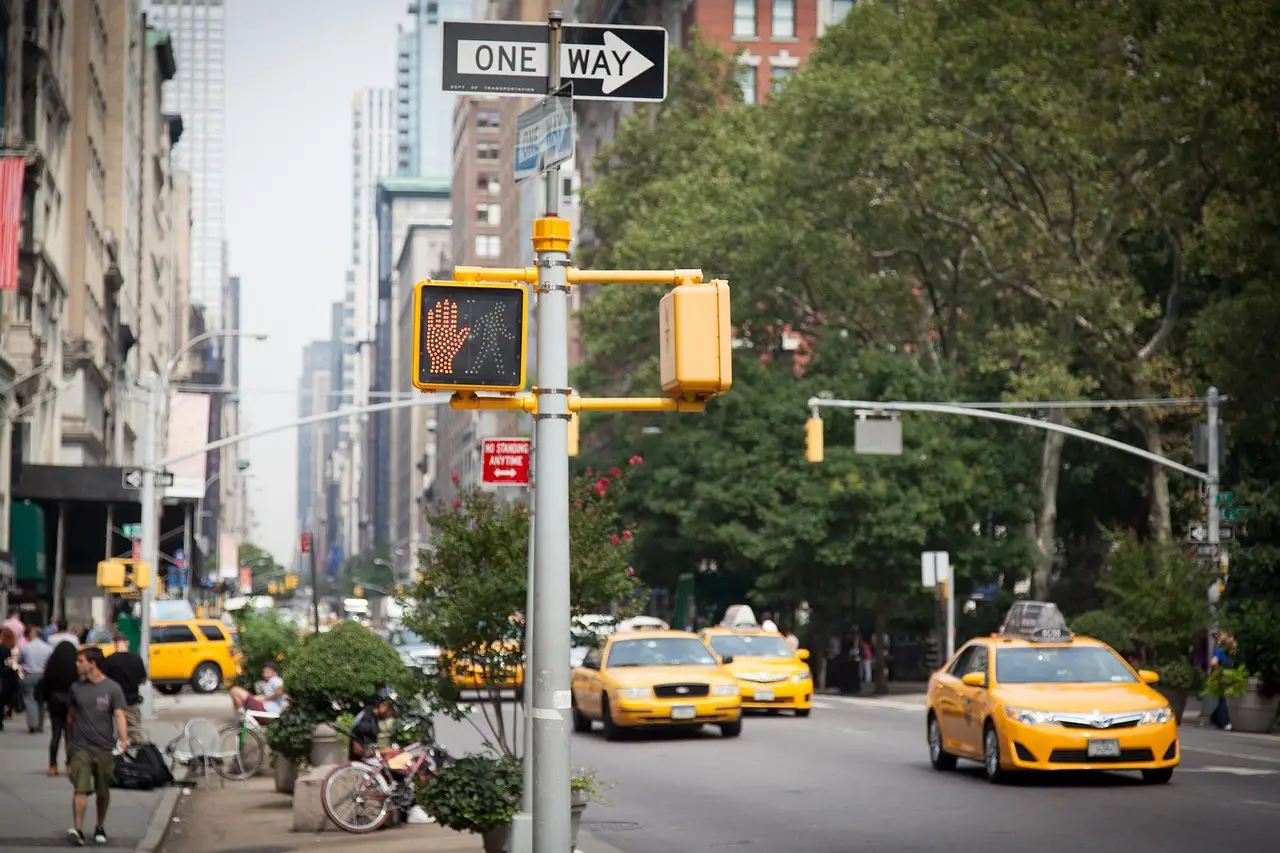
The pictures place cabs in bustling alleyways, residential neighbourhoods and around historic landmarks. They include taxis parked after long shifts and abandoned cars slowly falling into disrepair, extending the subject beyond vehicles seen in active service.
One series records yellow cabs caught in heavy monsoon showers, making rain and congestion part of the documentary encounter rather than a neutral backdrop. Another traces the gradual transition from traditional yellow to white, giving otherwise similar vehicles distinct histories within the sequence.
A notable frame catches a taxi passing white statues of Mahatma Gandhi and Bangladesh’s Sheikh Mujibur Rahman. Padmanabhan waited hours for the alignment of street, monument and moving car, showing how sustained attention can turn a documentary subject into a precise visual event.
Why does Kolkata’s yellow taxi matter?
The title comes from a West Bengal government mandate requiring taxis to display “No Refusal”. The wording forbids drivers from turning away passengers, while giving the exhibition a terse emblem of service, regulation and civic identity.
The vehicle at the centre is the Ambassador, first produced at Hindustan Motors’ Kolkata plant in 1958. Its cars initially carried black-and-yellow paint, before the all-yellow appearance became synonymous with the city by the mid-1990s.
Hindustan Motors discontinued production in 2014. Since then, yellow taxis have gradually disappeared from Kolkata’s roads, and their dwindling presence prompted Padmanabhan to conceive the exhibition after a conversation with his wife.
This history turns a familiar street colour into an institutional record spanning manufacture, regulation and everyday use. The photographs do not need diagrams or specifications to register that history; repetition, weathering and gradual disappearance do the work.
Where did the project begin?
Originally from Tamil Nadu, Padmanabhan’s fascination with Kolkata dates to 1998. He arrived at Howrah Station from Delhi aboard the Rajdhani Express, was drawn to the city’s chaotic charm, and began documenting its yellow taxis through photography.
That first encounter predates the exhibition by more than two decades and sits within a broader body of work extending to a 2010 photography project on Ladakh. His practice links travel, sustained observation and the street rather than treating each location as a one-off picturesque assignment.
In 2012, Padmanabhan presented the exhibition and published the photobook “Calcutta – Walking in the City”. The earlier project shows that “No Refusal” extends an established interest in urban photography, while concentrating that method on one vehicle and one government mandate.
He has also written the novel “Play with Me”, completing a trajectory that joins book publishing, literary fiction and documentary photography. His position as HarperCollins India’s chief executive gives the exhibition an unusual institutional vantage, but the photographs remain grounded in repeated looking.
How does the exhibition preserve what is disappearing?
The exhibition’s clearest achievement is making gradual loss visible without reducing Kolkata’s taxis to a nostalgia display. Parked cars, abandoned vehicles, monsoon crossings, changing paint and the shift toward white establish change through material details.
That sequence also places the passenger-facing “No Refusal” notice within a broader account of public life. The mandated notice asserts that drivers should accept passengers, yet the cars shown increasingly exist as objects and less often as working transport.
“No Refusal” therefore operates as both title and method: it gathers documentary evidence against the disappearance of a civic object while insisting on the encounter it records. The project seeks to preserve the memory of a defining feature of Kolkata’s urban identity, and the New Delhi presentation carries that record beyond Kolkata to the India Habitat Centre.
With production stopped since 2014 and the cabs steadily receding, Padmanabhan’s photographs now carry the project forward as a durable record of Kolkata’s defining urban presence.
Key points
- “No Refusal” shows 25 years of Kolkata taxi photographs at the Visual Arts Gallery through 10 February.
- Padmanabhan began photographing Kolkata’s taxis after arriving at Howrah Station in 1998.
- Hindustan Motors began producing the Ambassador in Kolkata in 1958 and discontinued production in 2014.
- The Ambassador’s all-yellow appearance became associated with Kolkata by the mid-1990s.
- Padmanabhan’s earlier projects include Ladakh in 2010 and “Calcutta – Walking in the City” in 2012.
Source: Google News: photography exhibition
James Calloway
Show full bio
Market editor covering people, launches and day-to-day practice in Photography exhibitions, photographers, photo books, festivals and awards at Lens Gazette.