Prime or Zoom? The Case for Choosing Your Next Camera Lens
Prime lenses promise sharper low-light images and smaller constructions; zooms trade some of that precision for range, speed and fewer lens changes in fast-moving work.
By Daniel Okafor
A 50mm f/1.4 prime can cost $400, while a Canon 24-70mm f/2.8 zoom can approach $2,000; that price gap anchors the argument more firmly than any universal verdict. The article answers conditionally: match the lens to the work. Its evidence comes from the field—wedding assignments, portraits and file counts—not a controlled laboratory comparison.
What actually separates a prime from a zoom?
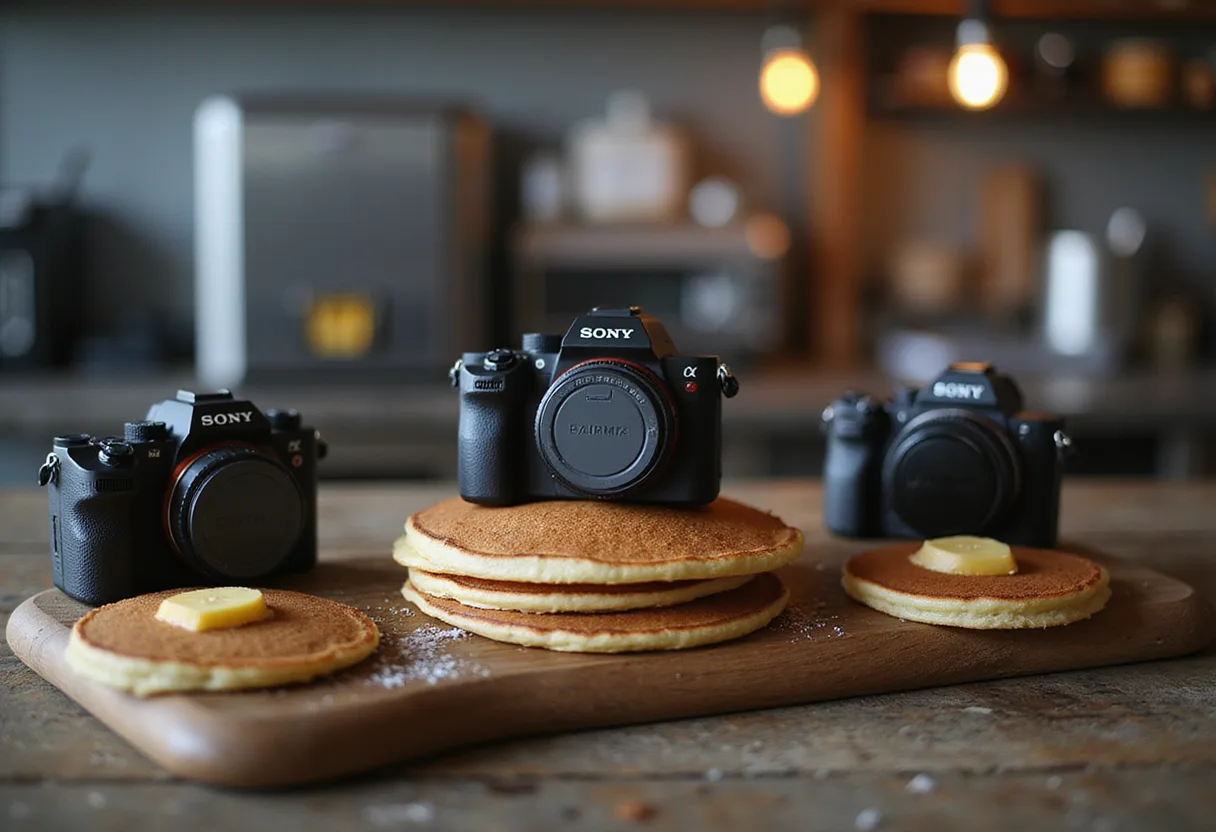
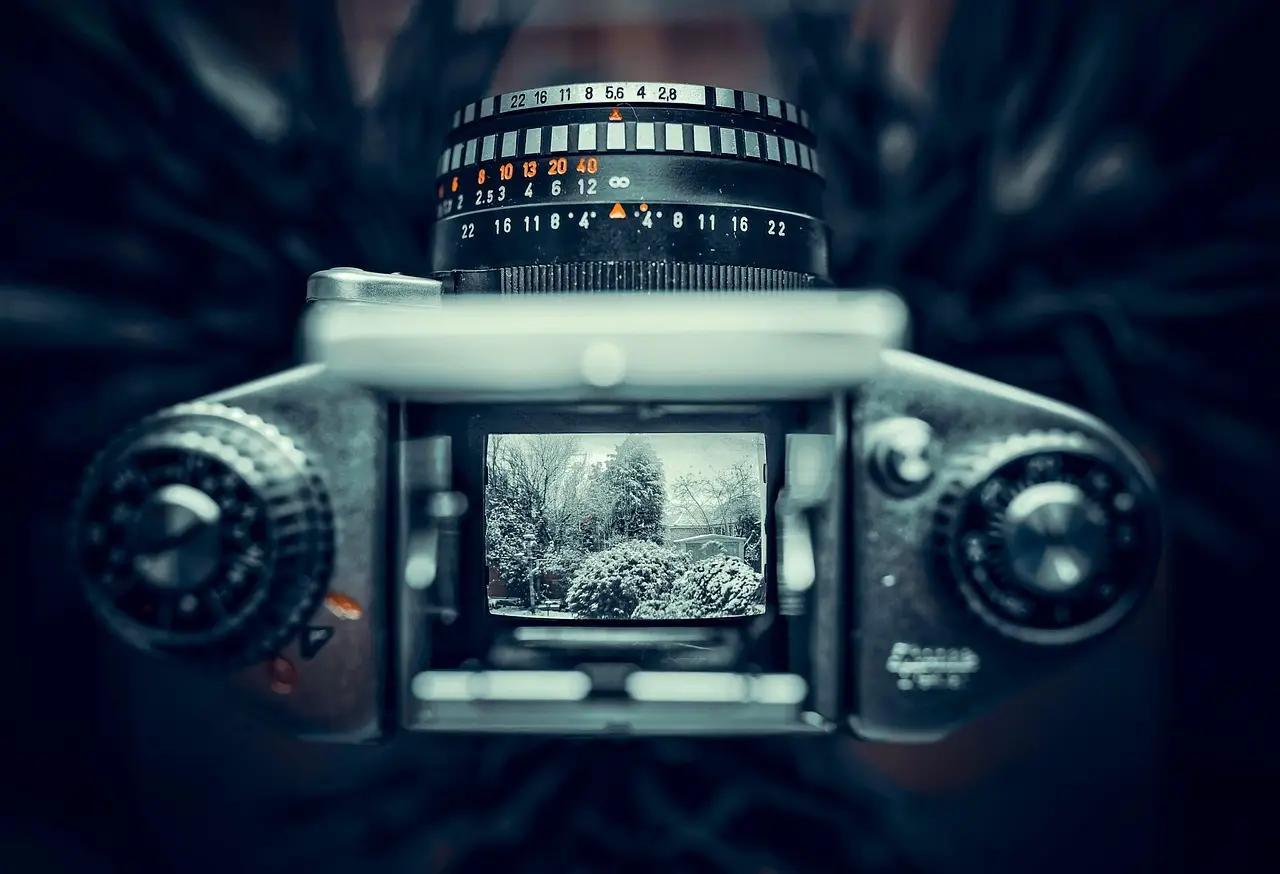
A prime lens has one fixed focal length. A 50mm prime stays at 50mm, even on a crop-sensor camera, where its apparent view may sit closer to an 85mm lens. A zoom changes focal length within a stated range: a 24-70mm can move from 24mm to 70mm without the photographer changing position.
The article also includes two video guides, “Prime vs Zoom | Video 1” and “Prime vs Zoom | Video 2.” It supplies no transcripts, test results or further conclusions for either, so they cannot settle the claims more rigorously than the written argument. That caveat matters because the strongest assertions—“generally,” “typically” and “can”—remain qualified.
Where do primes make their strongest claim?
The case for primes begins with optical restraint. The source links their lack of moving optical parts to generally sharper images at the same or lower cost, and notes that primes often reach wider apertures.
Those apertures can admit more light, aid low-light work, and produce stronger separation between subject and background, with more pronounced bokeh. No zoom is disqualified. Aperture alone does not settle quality.
Simpler construction also makes primes significantly smaller and lighter than zooms, according to the article. It presents Canon’s 50mm f/1.8 as an affordable example at $100.
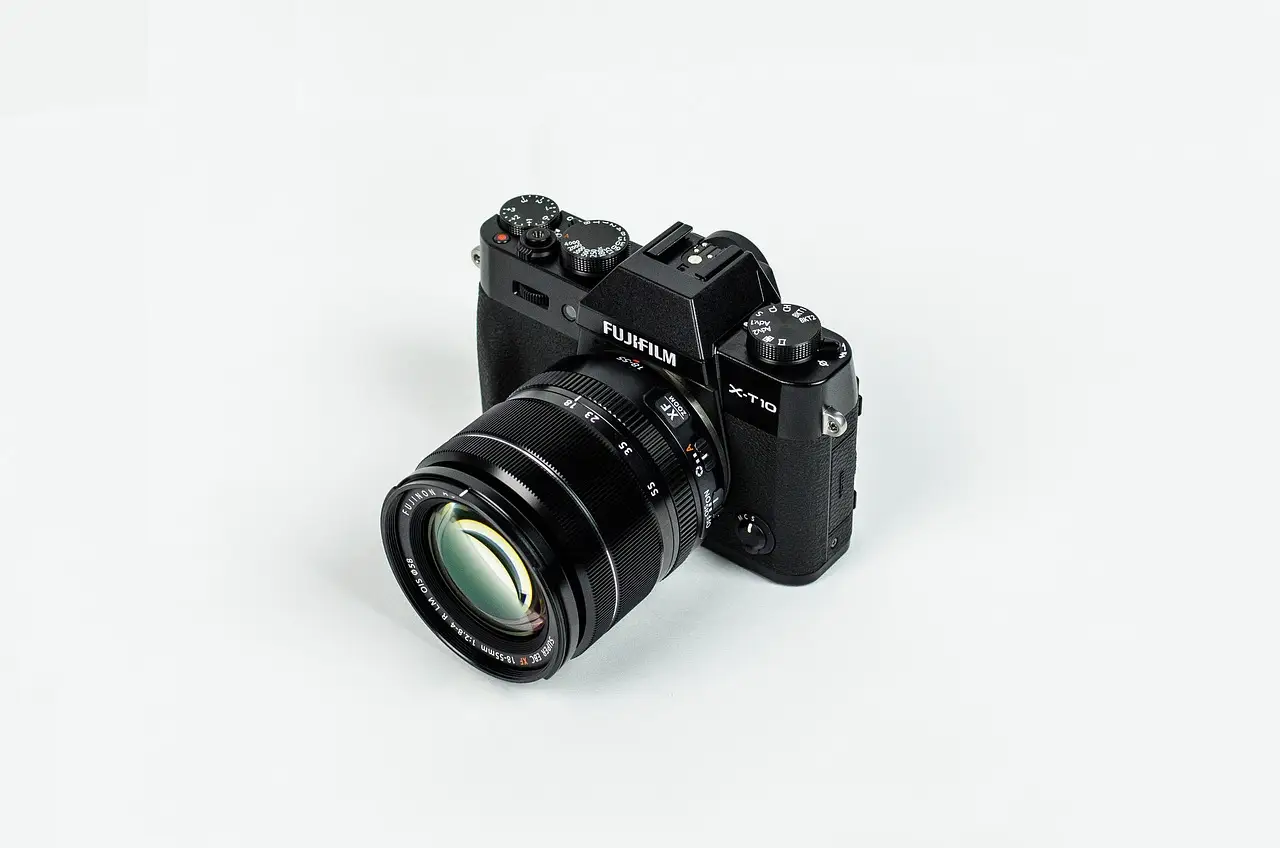
Against the roughly $2,000 price of a Canon 24-70mm f/2.8, the source presents the $400 Canon 50mm f/1.4 as a different proposition: two extra stops, reaching f/1.4, and one fixed view rather than several focal lengths. The zoom offers more framing choices for the money, a concession that complicates any simple value verdict.
Images as evidence
The illustrations do not form a controlled test, but they show the situations behind the claims. One wedding image bears the filename “AD Hotel Irvine Wedding Photography” and credits a Canon 5D Mark IV with a Canon 35mm f/1.4 at f/1.4, 1/200 and ISO 50; another prime-lens wedding portrait repeats those settings.
A zoom example uses the 5D Mark IV with a 24-70mm f/2.8 at f/2.8, 1/160 and ISO 3200.
The source also pairs a Mamiya 645 AFD with an 80mm f/2.8 and Kodak Portra 400. One collage groups Canon, Nikon, Sigma and Tamron prime-lens choices for wedding photography; another gathers wedding lens recommendations more generally. They illustrate choices rather than comparative results; the article doesn’t measure sharpness, distortion or bokeh across matched scenes.
Where do zooms make their strongest claim?
Zoom lenses solve a different problem: changing the picture without changing position. A wedding photographer in the account assembled a Canon 16-35mm f/2.8L II, 24-70mm f/2.8 L II and 70-200mm f/2.8L, covering the range needed for a wedding. That three-lens kit, however, shows what a prime trades away: one fixed view, but no need to change lenses during the assignment.
At a bridal recessional, space is tight and action is fast. A 50mm prime user might have to move away to widen the view; a 24-70mm user can zoom out from the same place.
The source therefore treats zooming as both convenience and speed, reducing interruptions between frames. It also notes two practical hazards in lens swaps: dust reaching the sensor and a dropped lens.
Does the lens choice change the pictures?
The article’s strongest point about primes is not a catalogue advantage but a change in photographic attention. A fixed lens keeps aperture, and therefore depth of field, central to each decision. At shallow depth, the photographer can separate a subject from foreground or background, especially when the setting offers little visual interest. That control is artistic, not merely technical.
The author describes a habitual zoom workflow as “shoot your shot,” then cover all the focal lengths in between: a portrait at 50mm, a wider frame at 24mm, another at 70mm. The article argues that primes interrupt that pattern. The photographer may need to walk, but composition becomes the deliberate act rather than a sweep of settings.
Numbers from the author’s engagement sessions suggest a tighter workflow: around 1,000 images yielded about 100 delivered files before the shift; afterwards, the photographer shot closer to 300 and still delivered 100. The author also reports significantly better frames.
This is a personal account, not a controlled finding, but it gives the argument an operational edge—fewer files, less selection and more attention per frame.
What should a photographer test before choosing?
The article rejects a categorical verdict: “Don’t feel compelled to choose one method or the other.” It weighs six variables:
- image quality
- weight
- size
- convenience
- price
- preference
The first five offer comparisons; preference names the working habit a photographer brings to them. The article also treats lenses as longer-term investments than camera bodies, and urges photographers to understand what they shoot, which focal lengths they need and why they need them.
Borrow or rent a lens several times before committing, the article recommends, and build the collection gradually. That test also confronts the article’s weakest evidence: its examples remain unmatched, and its file counts come from one photographer’s sessions.
Over time, the kit can grow from those tests: fixed focal lengths where depth and low light lead, zoom range where the frame will not wait. Borrow or rent first. Commit only when the pictures justify it.
Key points
- The article lists a Canon 50mm f/1.8 at $100 and a Canon 50mm f/1.4 at $400.
- A Canon 24-70mm f/2.8 costs nearly $2,000 and covers 24mm to 70mm from one position.
- The f/1.4 prime provides two stops more light than the f/2.8 zoom in the article’s comparison.
- Engagement captures fell from around 1,000 to about 300, with 100 images delivered in both cases.
- The article includes two prime-versus-zoom video guides.
Source: slrlounge.com
Daniel Okafor
Show full bio
News editor covering companies, deals and strategy in Photography exhibitions, photographers, photo books, festivals and awards at Lens Gazette.