Vintage Viewer Brings Apple's Abandoned QuickTime VR Back to Life
A free macOS app called Vintage Viewer restores QuickTime VR panoramas and QuickTake photos to modern Macs, reviving formats Apple dropped after 1997 — including Harvard's 1,200 Giza panoramas.

A free macOS app called Vintage Viewer now lets anyone store, view and export QuickTime VR movies and QuickTake photos on a modern Mac — resurrecting two Apple imaging formats the company abandoned more than a decade and a half ago. The tool is the work of a former Macworld contributing editor and columnist who covered both technologies when they launched, and it arrives as museums, collectors and archives grapple with thousands of marooned files. Marcus Bennett reports.
What did Apple actually abandon?
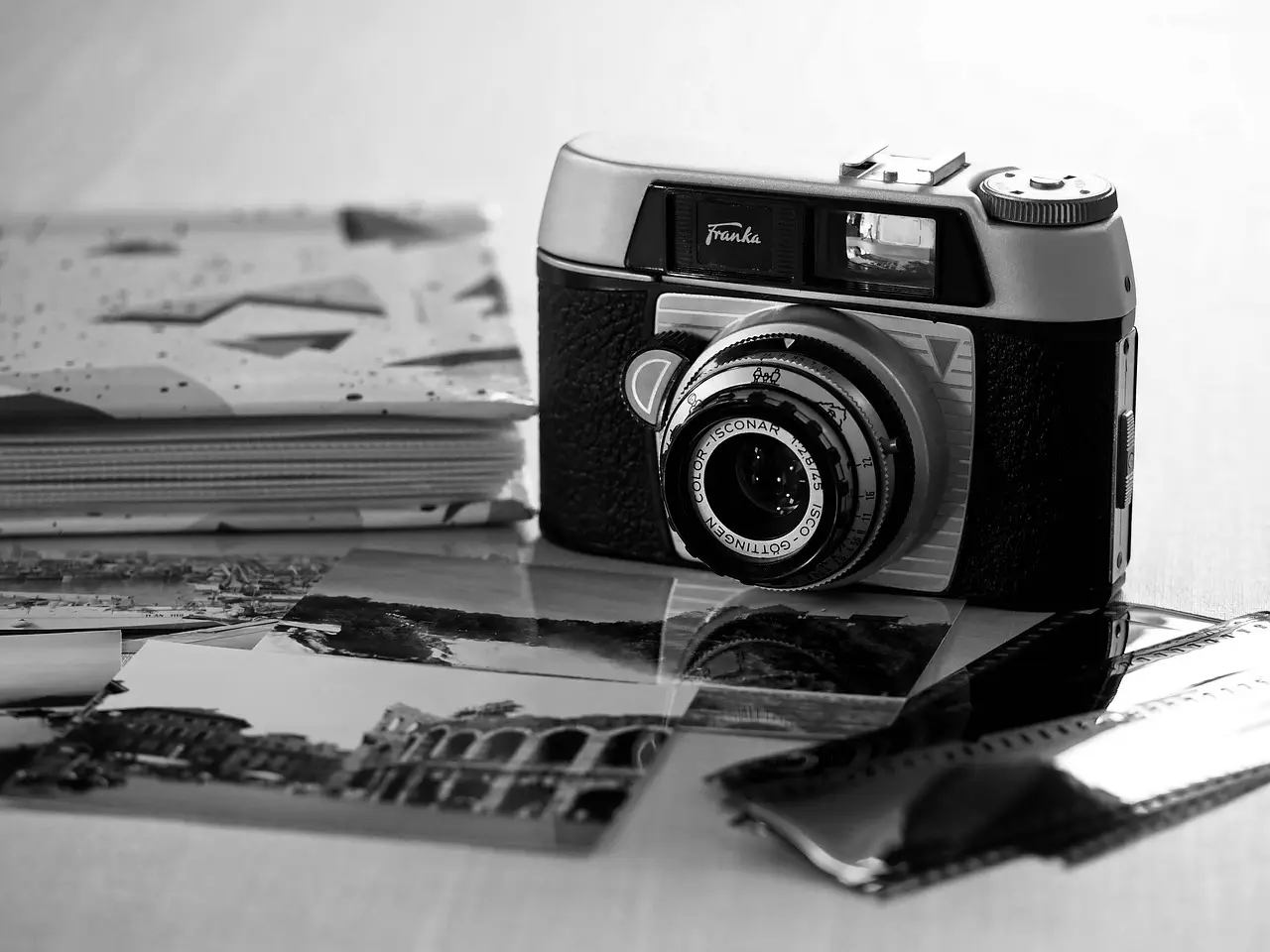
The QuickTake 100, launched in 1994, was among the first consumer digital cameras. The QuickTake 200 followed in early 1997; by the end of that year Apple had discontinued its entire camera line. When Steve Jobs returned to Apple in 1997, he cut 70 percent of the product line down to four cornerstones — iMac, iBook, PowerBook and Power Mac — and the cameras didn't fit.
QuickTime VR, introduced in 1995, let photographers produce 360-degree panoramas navigable by mouse and keyboard. A 1995 Apple tech note called it "virtual reality for the rest of us." Production was initially painful: a 35mm camera on a special tripod bracket, a series of overlapping exposures, film processing and scanning to Kodak PhotoCD discs, then stitching with a $2,000 software suite that required Apple's MPW programming tool and lots of arcane typed commands. Now, of course, phones shoot panos.
Apple shipped the QuickTime VR Authoring Studio in November 1997 — a month after shuttering the Advanced Technology Group where QTVR originated. No OS X version ever came. When the Classic compatibility environment disappeared in 2007, thousands, possibly millions, of QuickTake photos became unreadable on anything but older machines. macOS Catalina in 2019 dropped 32-bit support entirely, killing QuickTime Player 7, the last way to open a QuickTime VR movie. After that, attempting to open one earned an error message.
What does this change for archives?
Plenty. The format's lifetime saw many thousands of QuickTime VR movies published, many still sitting on old websites and on the Internet Archive — invisible to modern browsers. Harvard University's Digital Giza project photographed and produced over 1,200 QuickTime VR panoramas in and around the pyramids of Giza; when Apple walked away and browsers dropped plug-ins, those movies became, as the author puts it, as inaccessible as a pharaoh's tomb. Harvard is now resurrecting them in HTML form on an updated website currently in development.
The 1990s ecosystem was remarkably broad. Publishers produced commercial CD-ROMs offering virtual travel to other countries, lost Mayan cities and Star Trek's USS Enterprise. Museums and universities built virtual exhibits. Architects and real estate agents created walkthroughs. NBC News even published crime scene panoramas during the O.J. Simpson trial.
Between 1997 and 2001, a series of worldwide QuickTime VR celebrations called A Wrinkle in Time ran four times a year, with dozens of photographers shooting panoramas at the exact moment of the equinoxes and solstices — night and day, snow and Hawaii, all at once. Those projects are now all but lost. One edition, Winter Solstice 1997, turned up buried on a Macworld cover-mount CD-ROM uploaded to the Internet Archive. Its 80 participants' movies were retrieved, but without each participant's permission they can't be published, and attempts to contact producer Robert Abbett have failed.
Who built it, and why?
The author, a technology journalist since the early 1980s, wrote Macworld's digital camera feature in 1994 and led its QuickTime VR coverage in 1995. He spent time in early 1995 with Apple's Advanced Technology Group, and in 1997 took a QuickTake camera on a seven-week, 26-state road trip, shooting QuickTake photos and producing QuickTime VR movies along the way.
Digging through a cabinet of old CD-ROMs and hours on the Internet Archive, he has built a collection of nearly 3,000 QuickTime VR movies. Pioneer QTVR photographers Richard Crowest, Doug Cope and Erik Goetze tested the app and supplied movies for its bundled sample library. One of Cope's movies even carries directional sound — as you pan, the soundscape moves between left and right speakers.
Vintage Viewer's ambition goes beyond conversion. "I want to store them in their original formats to be first-class citizens on modern Macs," the author writes. "To Vintage Viewer, these formats are as fresh as an iPhone photo." No HTML version, no conversion step required.
Is there really an audience?
Yes, and younger than you'd guess. Reddit and other forums show interest from people who weren't alive when the formats debuted — "my dad had a QuickTake" appears more than once. In Australia, collector Dean Hucker owns 16 QuickTake cameras and what he jokingly calls "a concerning amount of memorabilia" around them. "There are a lot of people out there who do not want dead formats or their devices to disappear and that makes me very happy," he said. Hucker is building an app that transfers photos from a QuickTake camera via a cable connecting a QuickTake 100 or 150 to USB — an effort that inspired the author to buy a QuickTake 100 on eBay and order the cable himself.
Could Apple have saved these formats? Certainly. It could have kept supporting the QuickTake photo format and adapted Authoring Studio for OS X and plug-in-free web export. But maintaining software isn't free, and small markets get consulted by spreadsheets. As the author notes bluntly: it was up to Apple, and Apple decided those photos didn't matter.
With Vintage Viewer free to download, Harvard's Giza HTML revival under development, and collectors like Hucker building new transfer hardware, the forgotten formats of 1990s digital photography are moving from the dustbin back into circulation — full circle, which, as the author observes, seems completely appropriate.
Key points
- Vintage Viewer is a free macOS app that stores, views and exports QuickTime VR movies and QuickTake photos on modern Macs.
- Apple discontinued its QuickTake camera line by the end of 1997 after Steve Jobs cut 70 percent of the product line.
- macOS Catalina in 2019 killed the last official way to view QuickTime VR movies by dropping 32-bit support.
- Harvard's Digital Giza project produced over 1,200 QuickTime VR panoramas now being revived in HTML form.
- The app's author has collected nearly 3,000 QuickTime VR movies; a collector in Australia owns 16 QuickTake cameras.
Original: heidsite.com
Marcus Bennett
Show full bio
Correspondent covering companies, deals and strategy in Photography exhibitions, photographers, photo books, festivals and awards at Lens Gazette.