Why Wildlife Photography Is Pulling Back From the Close-Up
Photographer Kate Garibaldi makes the case for environmental wildlife portraits, where habitat, scale and field context carry as much weight as the animal itself.
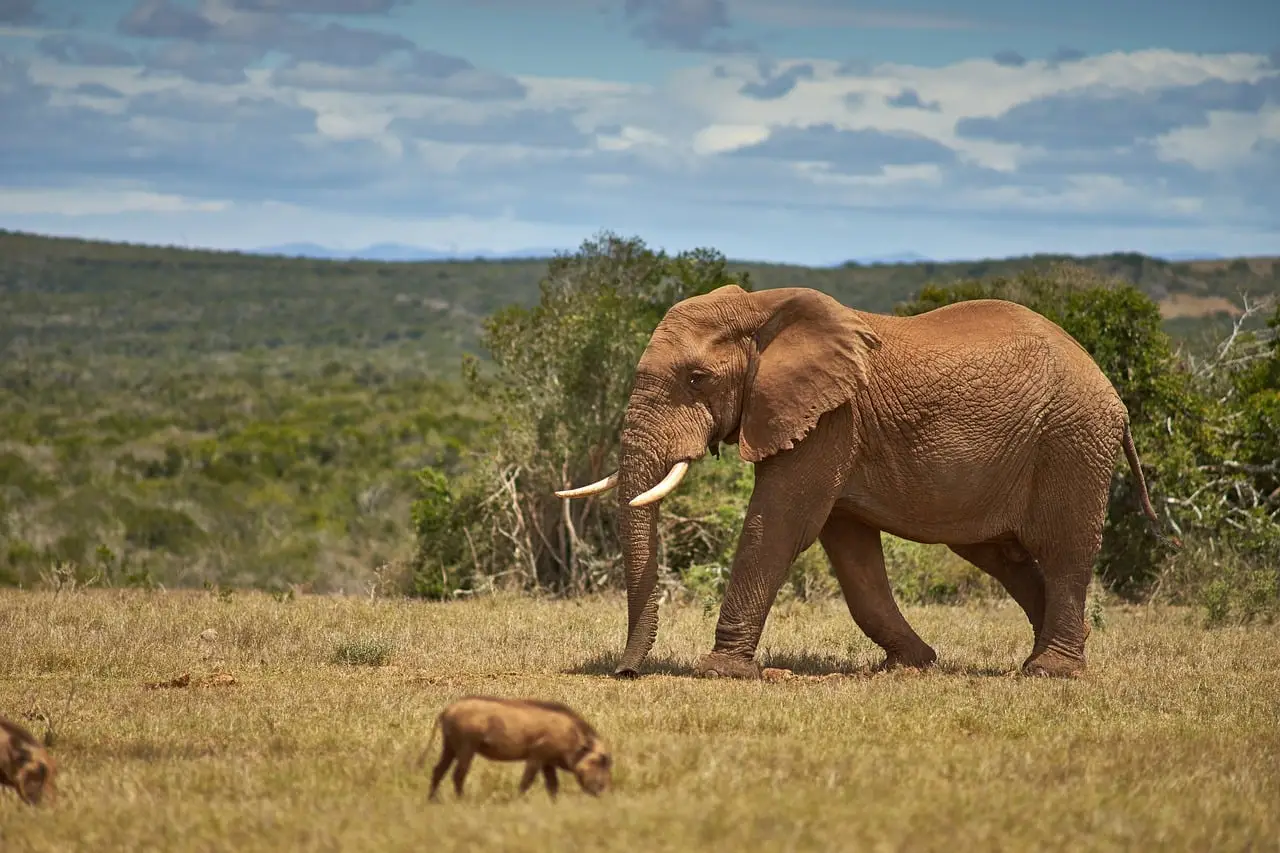
Wildlife photography's tightest habit — the long-lens close-up with a blurred background — is being challenged by a quieter, harder-to-execute approach: the environmental portrait, in which the habitat does active compositional work rather than dissolving into bokeh.
That argument runs through a new craft essay published by PetaPixel with photographs by Kate Garibaldi, a wildlife photographer who builds wider, habitat-driven compositions into her portfolio alongside traditional portraits. Her reasoning is partly documentary. Showing an animal inside its environment, she writes, "provides context, shows these animals were photographed in the wild rather than in captivity, and offers a more complete picture of the experience behind the image."
That last point has a contemporary edge. Garibaldi also shares behind-the-scenes clips from her field work, and she frames that transparency as a direct response to the spread of AI-generated imagery and the accusations now routinely aimed at wildlife photographers. Field footage has become evidence, not just content.
What separates an environmental portrait from a loose landscape?
Not focal length, and not how much of the frame the animal occupies. The essay's core claim is that the difference lies in the relationship between subject and setting. A tight composition can still read as environmental; a wide one can feel empty if the surroundings contribute nothing. A bear crossing tundra, a fox in tall grass, a shorebird on a tidal flat — in each, the landscape becomes part of the subject rather than a backdrop.
Scale is the payoff an isolated portrait cannot deliver. An animal small against a vast mountain range can carry more weight than a close-up, because the viewer understands the world that animal inhabits.
How much habitat belongs in the frame?
The essay offers a practical test: crop the image mentally, and ask what disappears. If removing the landscape kills information about behavior, habitat or scale, the environment is doing useful work. If a tighter crop tells the same story, the extra space is dead weight.
Preparation starts before the camera comes up. Garibaldi stresses research — seasonal migration, feeding habits, nesting behavior — as the way to recognize which elements matter. An elk in autumn grass tells one story; the same elk in snow during the rut tells another. Research also dictates subtraction: nesting vegetation belongs in the frame, unrelated human clutter usually doesn't. The exception is conservation work, where evidence of habitat loss and encroaching development may be the story.
The craft decisions nobody sees
Wider frames bring wider problems. Every added element — branches, bright sky, rocks, distant objects — competes with the animal. The essay's remedies are positional before technical: scan the frame edges, move a few feet left or right, drop the camera lower. Depth of field is a tool, not a doctrine — a wide aperture can soften a busy background, but excessive blur defeats the purpose of an environmental portrait in the first place.
Weather is treated as a collaborator. Fog simplifies and isolates; snow flattens a scene into broad tones that let shape and color read; side light carves texture from terrain and animal alike. An animal moving through fresh snow or feeding in rain looks more bound to its environment than one shot under neutral skies.
On equipment, the essay is refreshingly unevangelical. No lens is required. Wide angles exaggerate the subject–setting relationship but demand proximity that wildlife welfare may not allow. Telephotos keep respectful distance and compress habitat layers, pulling mountains visually closer. Garibaldi's own choice is a superzoom telephoto for fast reframing with unpredictable animals; an alternative two-body setup pairs a 500mm or 600mm telephoto with a 70–200mm for simultaneous tight and wide coverage. Autofocus note: eye-detection tracking can fail when the subject is small in the frame or buried in vegetation, so check the camera isn't locking onto a foreground branch.
What does this change for photographers?
The essay's closing position is a corrective rather than a manifesto. Environmental portraits don't replace close-ups; the strongest coverage of an animal uses both. Proximity, Garibaldi argues, should stop being the default measure of a successful wildlife photograph. A small animal in a carefully composed landscape can match a tight portrait — provided the environment adds meaning and the subject stays visually anchored, whether through contrast, light, posture or a sharp eye.
As AI-generated wildlife imagery multiplies, the approach points one way forward for the genre: verifiable context — habitat, weather, behavior, field footage — may soon matter as much as the animal itself.
Key points
- Kate Garibaldi's photographs illustrate a PetaPixel craft essay on environmental wildlife portraits
- Recommended two-body setup pairs a 500mm or 600mm telephoto with a 70-200mm lens
- Garibaldi shares behind-the-scenes field clips in response to AI-generated imagery and accusations
- The essay's crop test: if tightening removes story information, the habitat belongs in the frame
Original: instagram.com
Marcus Bennett
Show full bio
Correspondent covering companies, deals and strategy in Photography exhibitions, photographers, photo books, festivals and awards at Lens Gazette.