Smithsonian's African Art Museum Lands "African Ceremonies" Archive
The Smithsonian's National Museum of African Art has announced a promised gift: the "African Ceremonies" photographic collection, a decades-spanning record of ritual life across Africa.
Updated
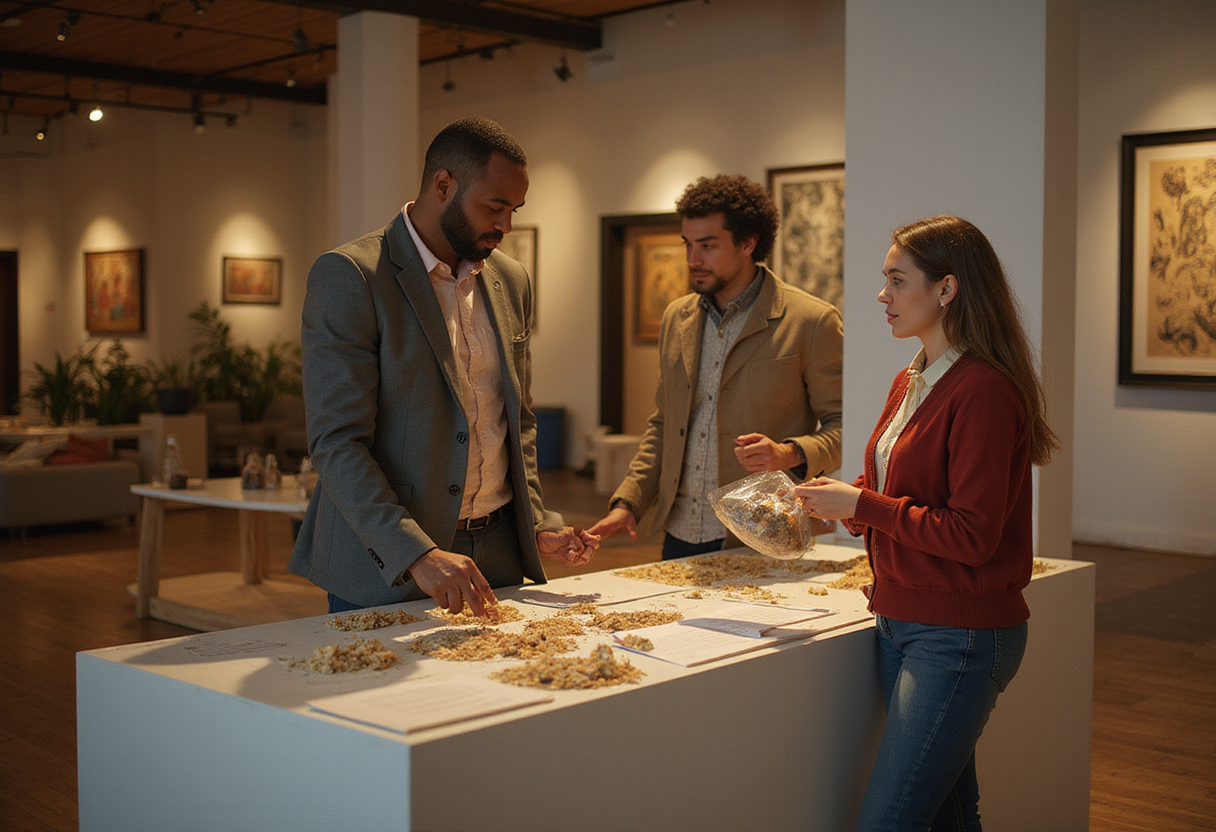
The Smithsonian's National Museum of African Art has announced a promised gift: the "African Ceremonies" photographic collection, one of the most sustained documentary projects ever made on ritual life across the African continent.
That single sentence carries a lot of weight. A promised gift, in museum parlance, means the donor has committed the work but hasn't handed over the keys yet. Institutions love these announcements — they generate headlines now and acquisition paperwork later. The Smithsonian hasn't said, at least not in the announcement itself, when the physical transfer happens or what accession numbers will follow.
What is the "African Ceremonies" project?
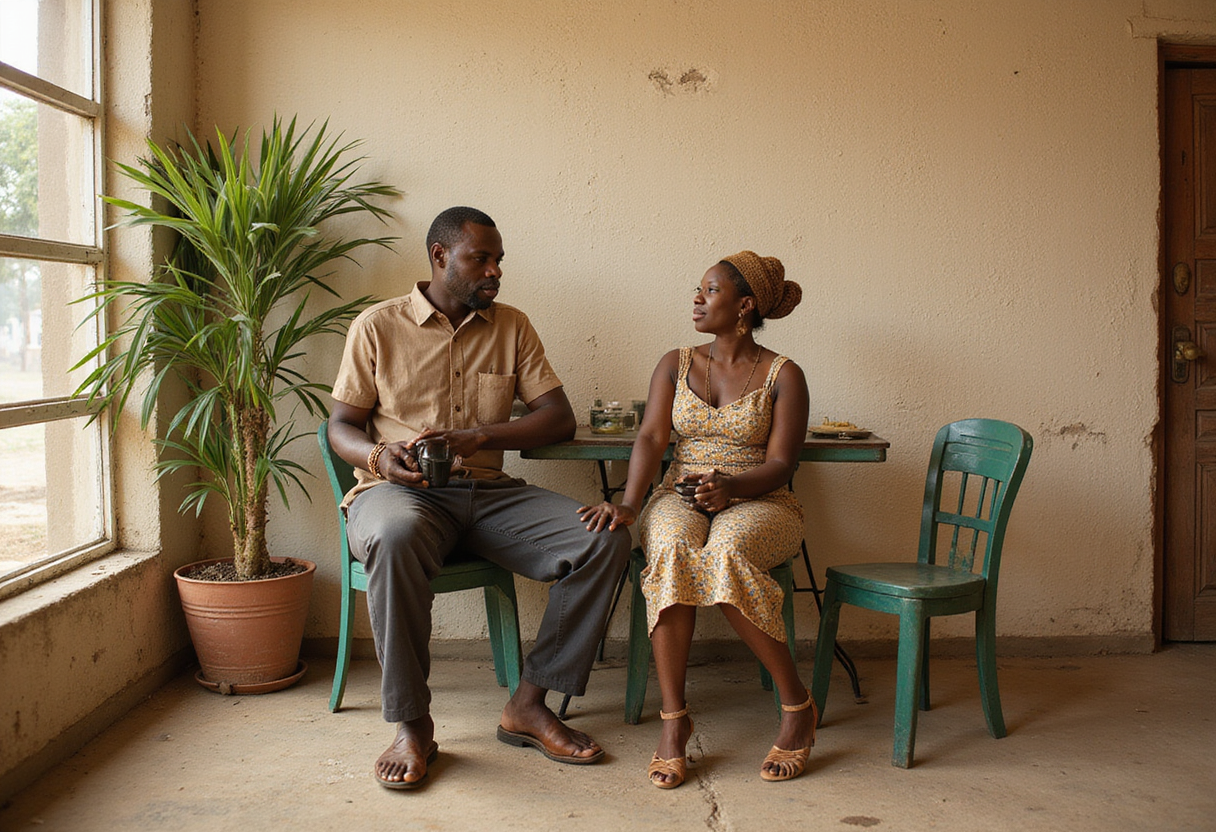
The collection takes its name from the body of work built over decades by the photographer duo behind it — Carol Beckwith and Angela Fisher — who traveled across Africa documenting ceremonies: initiations, courtship rites, royal rituals, seasonal celebrations. Their pictures live somewhere between ethnography and large-format portraiture, and they have been reproduced widely in glossy volumes that sit on as many coffee tables as library shelves.
The project's defenders call it an unmatched visual record of rites that are changing or disappearing. That claim deserves stress-testing. Visual anthropology has spent the last thirty years arguing about who gets to frame whom, and whether Western photographers documenting African ritual produce preservation or projection. The museum's announcement doesn't engage that debate directly. It doesn't have to. The gift speaks first.
Why the venue matters
The National Museum of African Art, on the National Mall in Washington, D.C., is the only Smithsonian museum dedicated exclusively to African art. A photographic archive of continental ritual life landing there is institutionally coherent in a way it wouldn't be at, say, a general-purpose photography wing. The museum holds objects made for ceremony; now it will hold images of ceremony in action.
There's a curatorial argument embedded in that pairing. Objects under glass tell you what a mask looks like. A photograph tells you what the mask did, who wore it, and who watched. Whether the museum's future exhibitions exploit that tension or simply display the pictures as decoration remains to be seen.
What hasn't been said
n The announcement leaves practical questions open. We don't have a count of prints, negatives, or digital files in the promised gift. We don't have a date for a debut exhibition. We don't have named curators attached yet. And we don't have the donors' identity in the announcement text — a detail that often surfaces later, sometimes with naming-rights strings attached.
These gaps matter less than they seem. Promised gifts at the Smithsonian routinely take years to mature into catalogued collections. What the announcement does establish is intent, and intent at this scale is news.
The road ahead
Expect the museum to build programming around the archive once it arrives — exhibitions, digitization, scholarly access. The stated trajectory points toward the collection becoming a research resource rather than a one-time hang. For a museum that has spent recent years rethinking how it presents Africa to an American audience, an archive of ceremonies photographed over a lifetime of fieldwork gives its curators a long runway.
The pictures, whenever Washington finally gets them, will do the arguing.
Key points
- The National Museum of African Art has announced a promised gift of the "African Ceremonies" photographic collection.
- The museum is located on the National Mall in Washington, D.C.
- The announcement did not specify a transfer date or object count.
- The project documents ceremonies across the African continent, built over decades.
Source: Google News: photography museum
Daniel Okafor
Show full bio
News editor covering companies, deals and strategy in Photography exhibitions, photographers, photo books, festivals and awards at Lens Gazette.