Over 600 Objects, One Camera Team: Inside the Smithsonian's Record of America
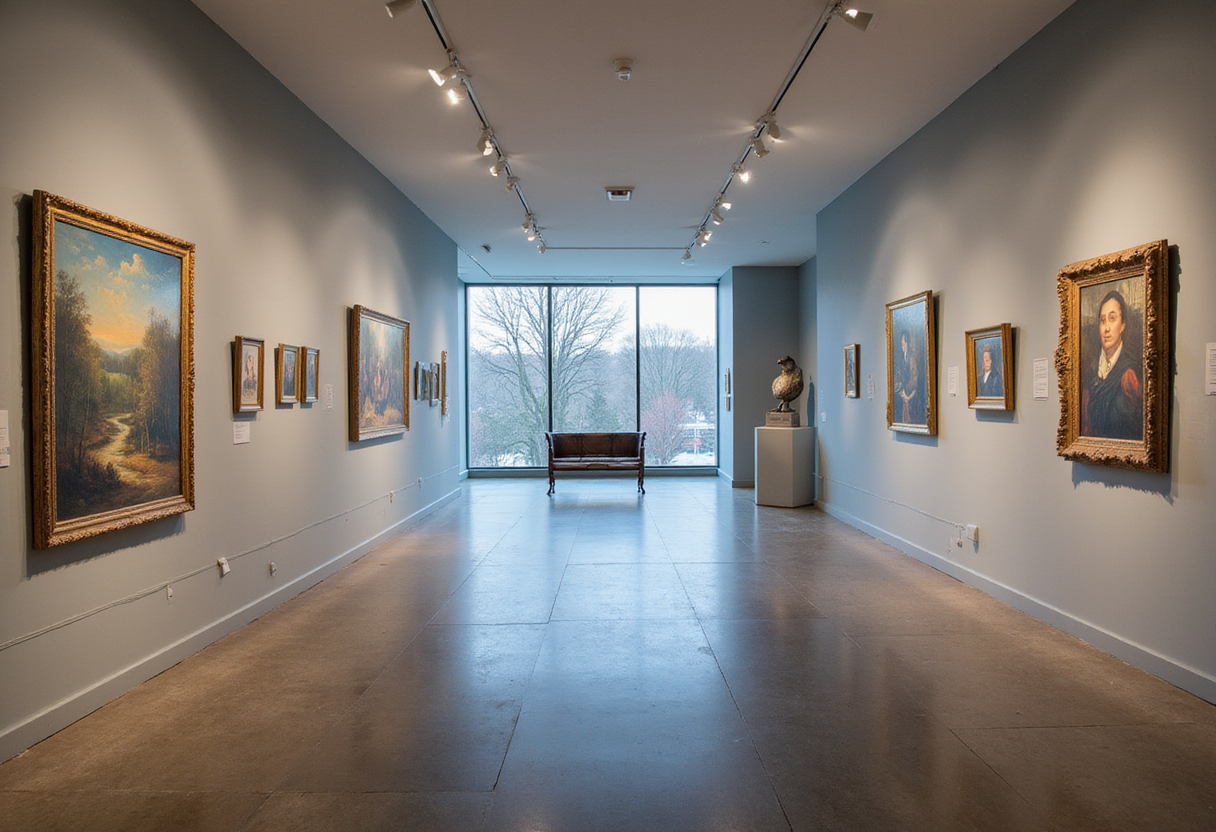
The National Museum of Natural History photographed over 600 objects for a new exhibition representing the entire United States, turning a national claim into a visible record.
Updated
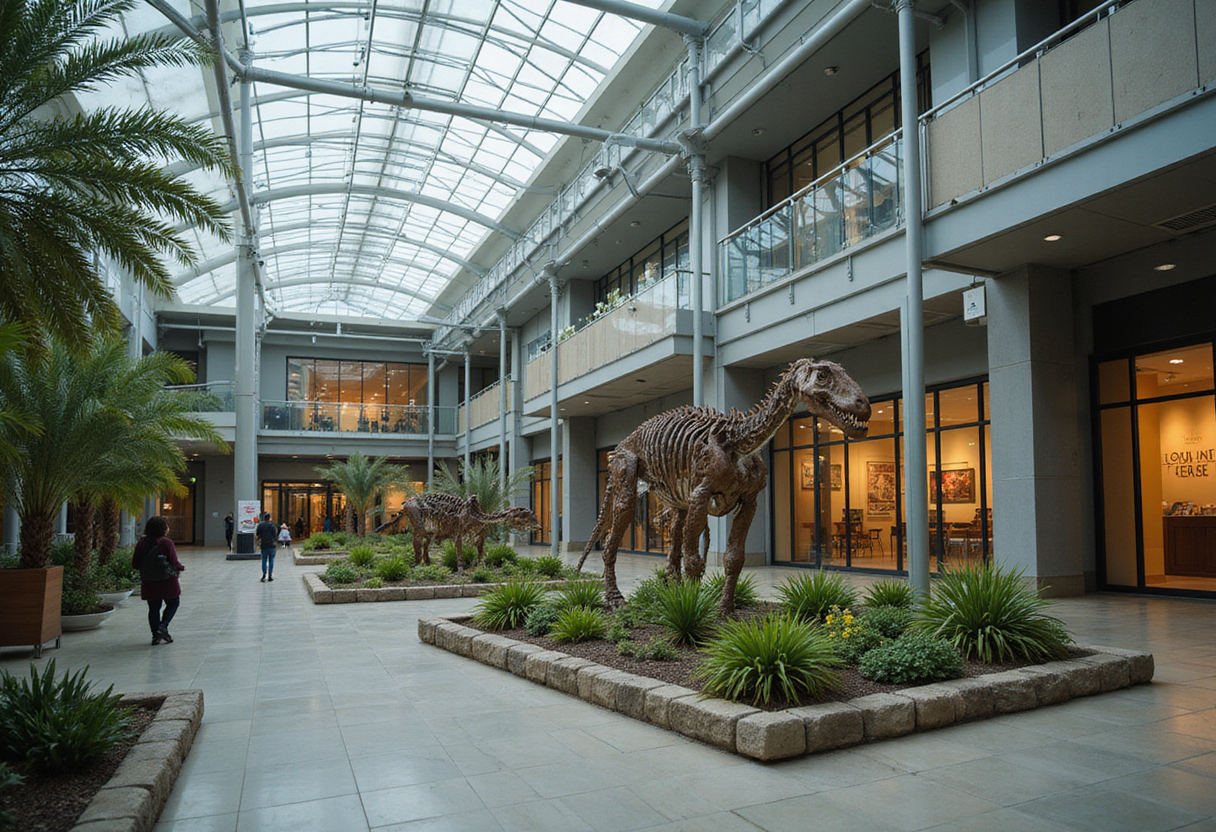
The Smithsonian's National Museum of Natural History has photographed more than 600 objects to build a new exhibition that represents the entire United States. That number is the story. Before a single visitor walks through the doors, each specimen and artifact must pass through a studio, a lens and a file. The museum has done that work at scale, and the result is a show assembled from hundreds of documented objects rather than a handful of exhibition highlights.
The count matters because of what the exhibition claims to do. It does not survey one region, one discipline or one collection. It aims to stand for the whole country. A claim like that lives or dies on breadth, and breadth in a museum is only visible when the objects are recorded, compared and placed together. Six hundred photographed objects is the mechanism that turns an institutional ambition into something a visitor can actually see.
Why photograph objects that will hang on a wall anyway?
The answer is that documentation is not decoration. It is the working record of the collection. A museum photograph preserves the object in a known state. It records condition, color, scale and detail at a fixed moment. Curators use these images to plan layouts, to compare specimens across storage rooms and to publish research without moving fragile material. The camera does the traveling so the object does not have to.
For an exhibition of this scope, the photography also becomes the proof of coverage. To represent the entire United States, the museum had to show objects drawn from across the nation's natural and cultural history. Each of the more than 600 records becomes a data point. Together they let the curatorial team see the shape of the whole before the show opens. In short, the photographic record is how a national-scale claim gets checked against the actual shelves.
What does the process involve?
Shooting 600-plus objects is not a matter of pointing a camera and pressing a button. Each object arrives with its own problems. Some are three-dimensional and reflective. Some are fragile, oversized or oddly shaped. Some must be handled under strict conservation limits. The studio team lights, supports and frames each piece on its own terms, and then repeats the process hundreds of times without letting standards drift.
The discipline here is craft in service of the collection. Consistent lighting, consistent scale and consistent files mean the images can sit beside each other on a wall or in a database and still read as one body of work. That consistency is invisible when it succeeds and loud when it fails. A national exhibition cannot afford the failure, because every inconsistency would read as a judgment about which objects deserved more care.
This is steady, unglamorous labor, closer to specimen science than to art photography, and it is the part of exhibition-making the public almost never sees. The takeaway is simple: the show starts years of work before it starts looking like a show.
Where does this sit in the museum's larger turn?
Natural history museums have spent the past two decades digitizing their collections at speed, driven by the same logic that produced this project. The photograph is now the most common form of access to a collection. Most people will encounter these 600 objects as images before, or instead of, encountering them in the gallery. That fact changes what a photograph must do. It is no longer a copy of the object. For most audiences, it is the object.
This gives the studio work real weight. A visitor in Washington, a researcher in another country and a student scrolling a collection database all meet the same picture. The National Museum of Natural History has bet, like its peers, that careful photography extends the collection far beyond its walls. At 600 objects and counting for a single exhibition, that bet is being placed object by object.
The exhibition itself is the public face of a quieter change: museums are becoming image producers as much as object keepers. What began as documentation now shapes how the nation's collections are seen, studied and shared.
Key points
- The National Museum of Natural History photographed more than 600 objects for the project.
- The photography supports a new exhibition representing the entire United States.
- The documented objects span the nation's natural and cultural history.
- Each object required individual studio handling, lighting and capture.
Source: Google News: photography museum
Grace Kim
Show full bio
Senior reporter covering companies, deals and strategy in Photography exhibitions, photographers, photo books, festivals and awards at Lens Gazette.