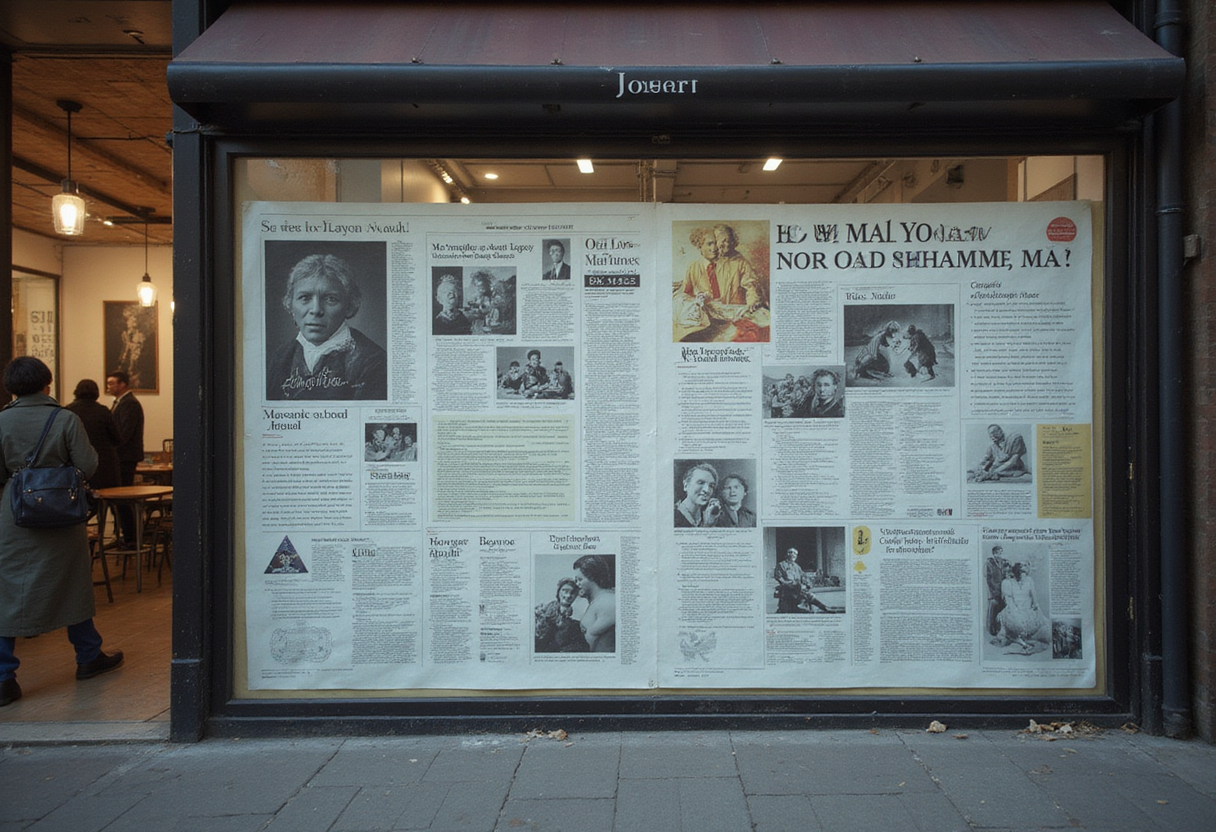
Vintage Africana: The Fight to Keep Nigeria's Everyday Past in Focus
"Vintage Africana" argues Nigeria's everyday photographic record is vanishing faster than archives can save it — family portraits, street scenes and studio images now at the centre of preservation efforts.
Updated
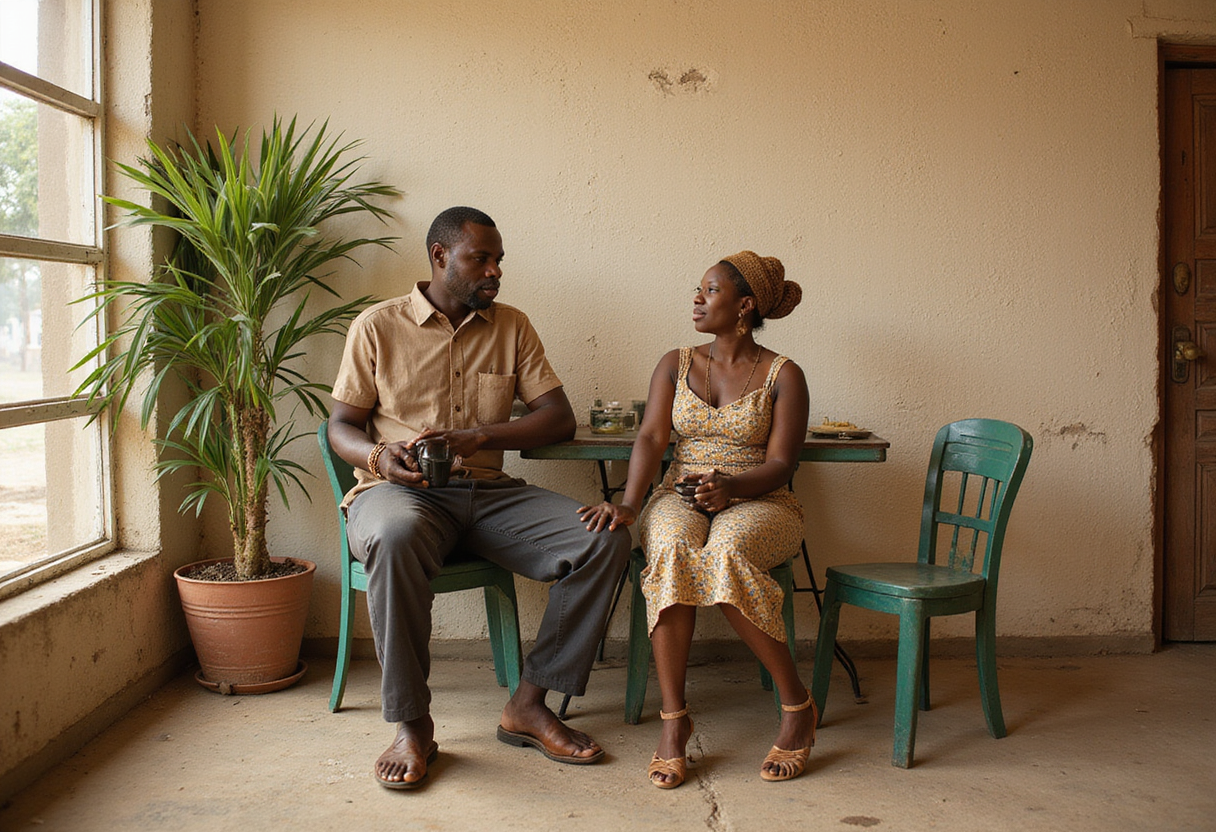
A body of work titled "Vintage Africana" is making the case that Nigeria's most urgent photographic history is not the official one — it is the everyday past: family portraits, street scenes, market days and ceremonies photographed for private memory rather than public record.
The project, featured in The Guardian Nigeria News, frames itself around a simple but consequential premise: the images that document how ordinary Nigerians lived, dressed, worked and celebrated are disappearing faster than any state archive can absorb them.
Why does the everyday past need rescuing?
Nigeria's photographic heritage has long lived a double life. On one side sit the colonial-era surveys and post-independence state photography that institutions catalogued and preserved. On the other sits the vast, fragile output of commercial studios and itinerant photographers — the wedding portraits, naming ceremonies and school photographs held in family albums, susceptible to humidity, neglect and the simple passage of heirs who no longer recognize the faces.
"Vintage Africana" belongs to the second tradition. Its curatorial argument is preservationist: unless these images are collected, digitized and contextualized now, an entire visual record of 20th-century Nigerian life will be lost to decay and dispersal.
The project's title itself signals its method. "Africana" places the material in the tradition of archival collection; "vintage" insists that the photographs be treated as objects with physical histories — prints, borders, inscriptions and studio stamps — rather than as disembodied files.
How does the work sit in a longer lineage?
The preservation of West African studio photography has become one of the most active areas in the field. The rediscovery of practitioners such as Seydou Keïta and Malick Sidibé in Mali transformed the market and the academy's understanding of African portraiture, and institutional projects across the region have since raced to digitize negatives before they degrade.
Nigeria's own contribution to that lineage is substantial: the studio cultures of Lagos, Ibadan and Kano produced photographers whose negatives remain scattered, uncatalogued and frequently unsalvageable. Any project that consolidates this material joins an art-historical conversation that has moved from recovery to interpretation — from finding the images to asking what they say about self-presentation, modernity and memory.
What distinguishes an everyday archive?
The photographs at stake here are valuable precisely because nobody intended them as history. They record:
- dress and fashion choices made for the camera;
- domestic interiors and their accumulating possessions;
- ceremonies that families wanted remembered;
- the sitters' own ideas of how they wished to appear.
That last point carries the most weight. Studio portraits were collaborative performances, and the archive preserves not just what Nigerians looked like but how they chose to be seen.
What comes next?
The Guardian Nigeria News feature suggests the project's ambitions extend beyond exhibition: the stated goal is preservation, which implies digitization, access and ideally institutional partnership — the conditions under which a private visual culture becomes a public historical resource. Whether "Vintage Africana" secures the archival infrastructure its material demands will determine if it marks a lasting intervention or a poignant catalogue of what is already slipping away.
Key points
- "Vintage Africana" is a project preserving Nigeria's everyday photographic past, featured by The Guardian Nigeria News
- The work focuses on non-official imagery: family portraits, street scenes and ceremonies made for private memory
- The project positions itself within the preservationist lineage of West African studio photography recovery
- Its stated aim is preservation of fragile prints and negatives threatened by decay and dispersal
Source: Google News: photography museum
Daniel Okafor
Show full bio
News editor covering consumer brands and retail at Lens Gazette.