George Lucas Opens Storytelling Museum; What It Means for Photographers
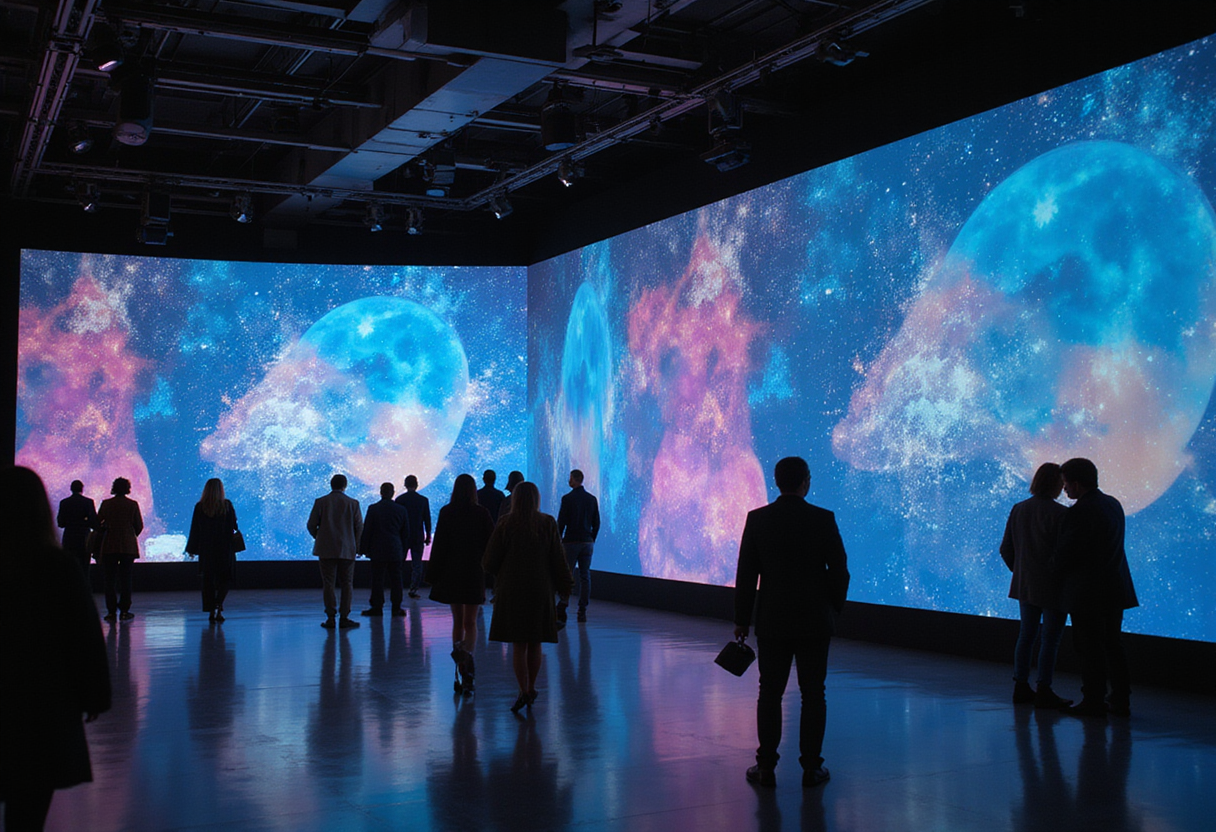
George Lucas opened a museum dedicated to the art of storytelling, per a Sunday World report. For photographers, the framing lands on a collecting brief built on sequence, archives, and immersive display.
Updated
George Lucas opened a museum dedicated to the art of storytelling, per a Sunday World report this week. The launch positions one of cinema's most consequential image-makers at the head of an institution focused squarely on narrative across media.
That framing lands hard for photographers. A house named for storytelling rather than medium, region, or era extends an invitation to image-makers who build meaning through sequence, juxtaposition, and editorial choice. Still photography operates in exactly that territory, even when a single frame carries the weight.
What does the institution claim?
The Sunday World piece states the museum's mission plainly: it celebrates the art of storytelling. That single phrase carries institutional weight worth tracing.
Recent decades pushed museums toward granular labels — photography, design, fashion, the moving image — partly as fields professionalized and partly because donors prize specificity. A category of "storytelling" reaches back toward an older curatorial tradition, one that grouped work by intent rather than medium.
That taxonomy cues programming. A storytelling-first curatorial logic moves across boundaries: film storyboards sit alongside documentary photography, illustration next to comics, archival material with contemporary commissions. Long-form, essayistic, and reportage projects have historically struggled to find institutional homes built around single-medium canons. A house that prizes narrative structure over silver-gelatin orthodoxy shifts that conversation.
What can photographers read from a headline?
The source does not name the venue, the city, the opening date, the founding director, or the architectural lead. It lists no curators, no peer-institution partners, no initial accessions. Practitioners planning portfolios for the next eighteen months should treat that gap as a working signal: a museum launching with this much undefined is shaping its collecting brief in real time.
Three moves are worth tracking from the photographer's side.
- Programming reach. Cross-medium exhibitions pull still work into venues built for cinema and comics readers — an audience photographers rarely access through traditional gallery models.
- Collecting logic. Storytelling requires a sequence of objects: process pieces, contact sheets, drafts, finished prints. The acquiring bias points toward photographers who already work archivally and toward projects that document their own making.
- Display language. A founder's record in filmmaking suggests installers more comfortable with immersive room design than the white-cube model. Photographers preparing installation prints should expect wall text built around edit pacing, not single-frame analysis.
Who reads this gap first?
Photo editors and curators read programming briefs before the press does. The photographers most likely to read a storytelling-first mandate as a working door are those already packaging projects as books, exhibition sequences, or serial web features. Fellowship graduates with explicit sequencing logic and contact-sheet archives will find the taxonomy friendlier than those submitting single frames.
Practical move: package the next submission as a sequence first, single images second. Contact sheets, draft layouts, and caption metadata signal craft in a way a museum framed on storytelling will reward. Photographers with monographs in print should treat the next museum call as an opportunity to ship a copy — that reads as prepared thought, not cold outreach.
What does the gap change?
The Sunday World item carries no direct quotation from Lucas, museum staff, or peer institutions. It names no inaugural exhibitions, acquisition budgets, or governance structure. Without those details, the project reads as announcement rather than institution.
The coming months will tell whether the museum books as a working curatorial platform or as a single-donor landmark. Either reading carries weight for photographers; the difference is whether submissions get read by a curatorial panel or paraded through a gift shop. Editors assigning serial work will start asking which side a project lands on.
What the headline confirms is that narrative art — long housed in literature departments and film schools — has acquired a museum-grade address. For photographers who already work in series, that is a working brief waiting to be filled.
Key points
- George Lucas opened a museum dedicated to the art of storytelling, per a Sunday World report circulated this week
- The museum's stated mission is to celebrate the art of storytelling across media
- The Sunday World source does not name a venue, city, opening date, or founding director
- The Sunday World source carries no direct quotation from Lucas, museum staff, or peer institutions
- Practitioners planning portfolios for the next eighteen months are positioned in the article as the cohort most affected by the announcement
Source: Google News: photography museum
James Calloway
Show full bio
Market editor covering people, launches and day-to-day practice in Photography exhibitions, photographers, photo books, festivals and awards at Lens Gazette.