Sanlé Sory's Colour Portraits Frame a Nation's Independence
ART AFRICA features Sanlé Sory's colour studio portraits of a newly independent nation, adding a saturated chapter to West Africa's studio photography canon.
By Marcus Bennett
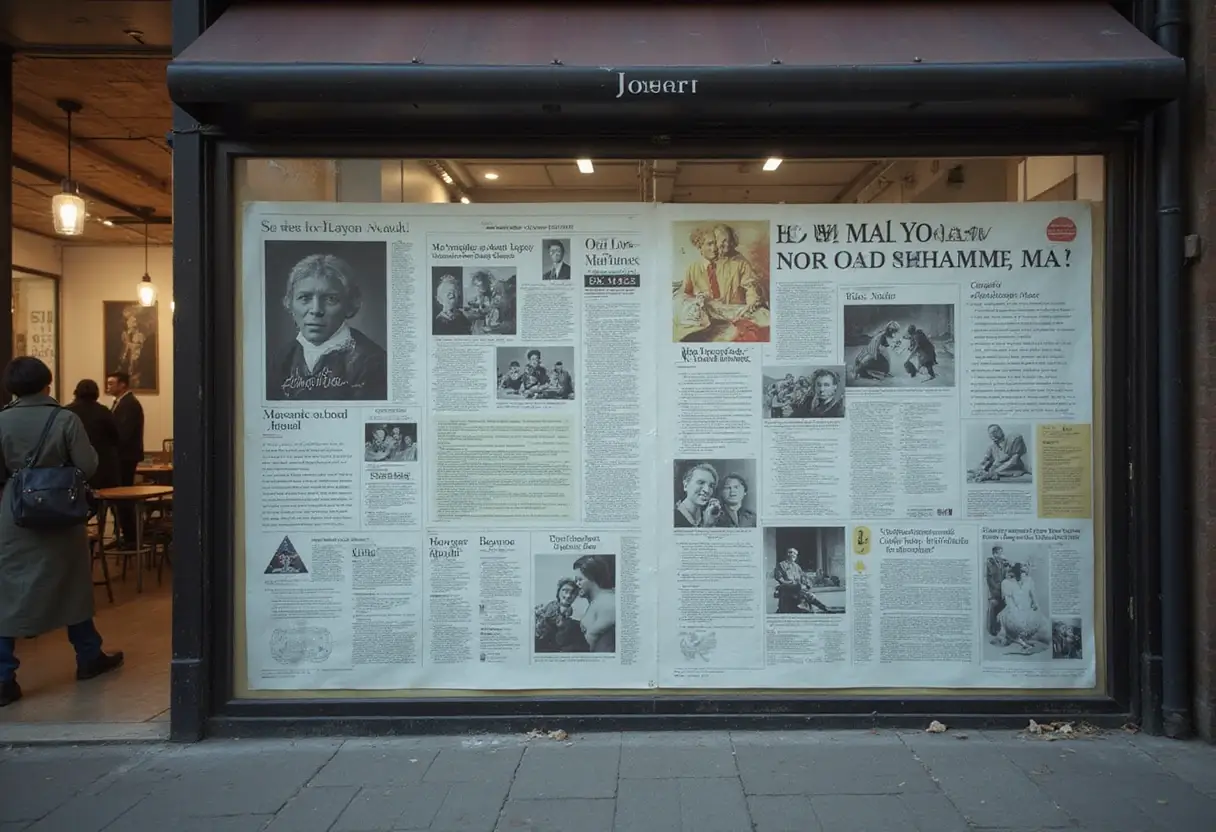
ART AFRICA Magazine has published a feature on Sanlé Sory under the headline "Portraits of Independence: Sanlé Sory Captures a Nation in Colour" — a survey of the West African studio photographer whose colour work documented a country in the first flush of self-rule.
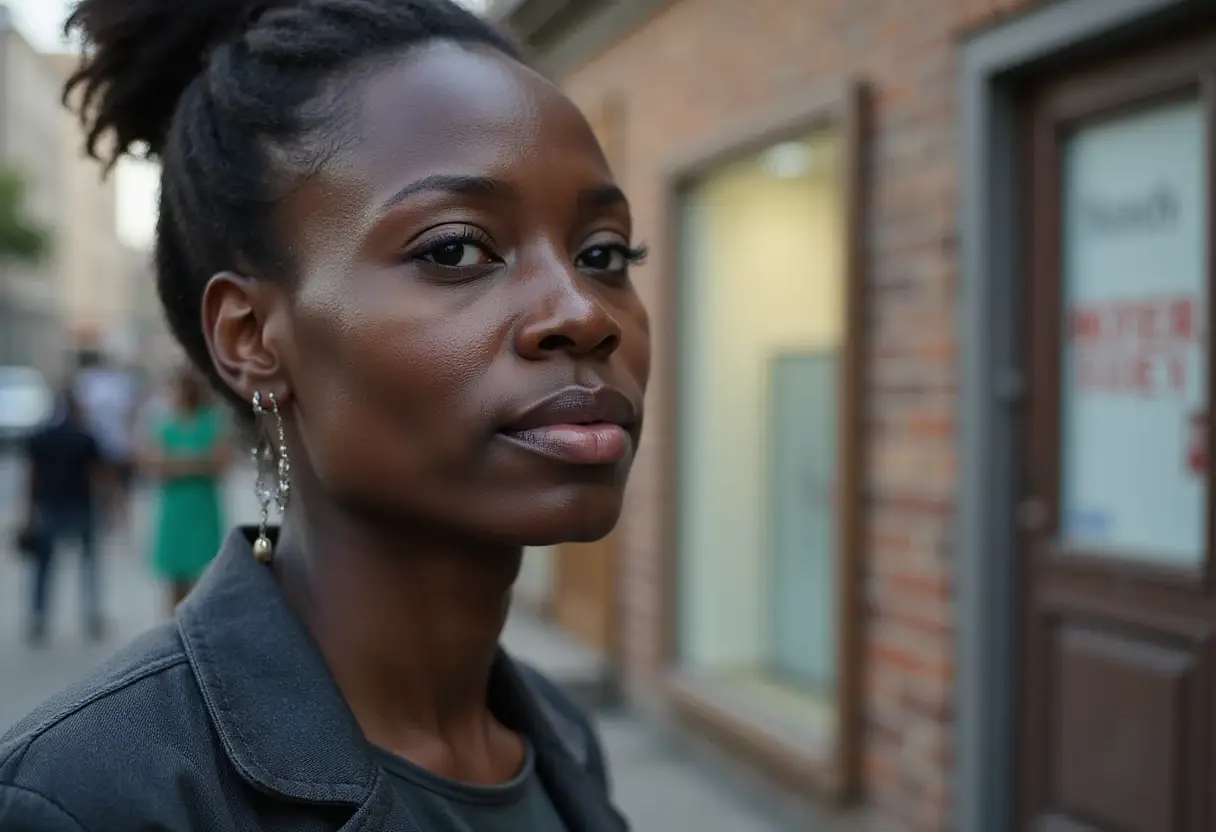
Sory belongs to the great tradition of African studio portraiture. The genre, which runs from Seydou Keïta and Malick Sidibé in Bamako to modern practitioners worldwide, turned the photo studio into a public stage. Subjects arrived with props, records, motorbikes and their best clothes. The photographer supplied the backdrop. The nation, newly independent, supplied the swagger.
That is the story the ART AFRICA headline promises: not a formal survey of state institutions but portraits — individuals posed, in colour, as citizens of somewhere new.
What does studio colour work tell us that monuments can't?
Plenty, and here's the practical answer for readers of photography. Independence-era portraiture is evidence. It records how people wanted to be seen at a precise historical moment, in their own choice of dress, pose and setting.
Sory's contribution sits alongside the better-known Malian studios. His colour images distinguish him. Much canonical West African studio work of the period is black and white. Colour film was costlier and harder to process in the region, so a sustained colour record carries extra documentary weight. It shows aspiration in full saturation — the fabrics, the album covers, the painted backdrops.
The ART AFRICA feature frames these images as a nation captured rather than merely a clientele served. That framing matters for institutional reasons. Studio photographers across West Africa worked commercially for decades before Western museums and publishers came calling. Sory's rediscovery follows a now-familiar arc:
- Decades of daily commercial practice in a local studio
- Archive survives intact, negatives and prints together
- International exhibitions and magazine features follow
- The work enters art-historical conversation late, on others' initiative
That arc is a gain and a mild embarrassment. Better late than never. But the pattern of waiting for external validation still shapes whose archives get preserved and written about.
Where the work sits now
Features like ART AFRICA's keep Sory's name in circulation with an audience that spans collectors, curators and the continental art press. Each profile strengthens the case for his archive — cataloguing, conservation, and eventual institutional placement.
For photography historians, Sory adds a colour chapter to a story often told in monochrome. For younger African photographers, he offers a precedent: the studio as a site of national self-fashioning, not just commerce.
Readers wanting the full feature and the reproductions can find it at ART AFRICA Magazine. The portraits themselves make the argument better than any essay. Sory's colour images promise a country looking straight at the camera, dressed for the future it had just claimed — and if the archive continues to travel, expect more of it on museum walls and in print.
Key points
- ART AFRICA Magazine published a feature titled "Portraits of Independence: Sanlé Sory Captures a Nation in Colour"
- Sory worked in the West African studio portrait tradition alongside figures like Keïta and Sidibé
- His independence-era work is distinguished by its use of colour film
- The feature frames the portraits as a record of national self-image at independence
Source: Google News: photography exhibition
Marcus Bennett
Show full bio
Correspondent covering companies, deals and strategy in Photography exhibitions, photographers, photo books, festivals and awards at Lens Gazette.