L'Afrique, c'est chic: Inside a Unique 1960s African Photo Studio
The Times features portraits from a unique 1960s African photo studio whose stylish sitters turned self-presentation into a historical record of independence-era ambition.
Updated
By Grace Kim
A single photo studio, working in Africa in the 1960s, produced portraits striking enough to earn a Times headline declaring "L'Afrique, c'est chic." The Times has published a feature on this studio's surviving pictures, and the claim in that headline is the story's hardest fact: the images show Africans presenting themselves as stylish, modern and in command of their own image.
The feature arrives at a moment when institutional interest in African studio photography has never been higher. The work belongs to a tradition of portrait studios that flourished across West Africa in the decades after independence, and the 1960s setting places these pictures at the exact point where colonial rule ended and self-fashioning became a political act.
What makes this studio unique?
The Times calls it unique. The headline alone signals why. A studio that made chic its central business, in the 1960s, was doing something more than selling pictures. It was documenting a generation that wanted to be seen in a particular way.
Studio photography of this kind worked through a simple mechanism:
- A sitter arrived and chose clothes, props and a pose.
- The photographer controlled light and backdrop.
- The finished print circulated among family and community.
Every element in that chain was a decision. Together, the decisions formed a portrait of ambition.
The takeaway: these are not candid documents. They are performances, and that is their historical value.
Why the 1960s matter
The decade carries the weight here. Across Africa, the 1960s were the years of independence, and photography studios became places where new national identities were tried on like suits. The Times feature frames its subject within exactly that period, which places the work alongside the best-known names in African studio photography rather than outside them.
Museums and publishers have spent two decades recovering this material. Series once held in family albums and studio archives now appear in museum collections, monographs and surveys of African photography, and each rediscovery sharpens the picture of how the continent photographed itself. This studio's pictures join that recovery, and the Times feature is part of the mechanism by which such archives move from private memory to public record.
The takeaway: dating matters, because the 1960s turn fashion choices into historical evidence.
What the pictures show
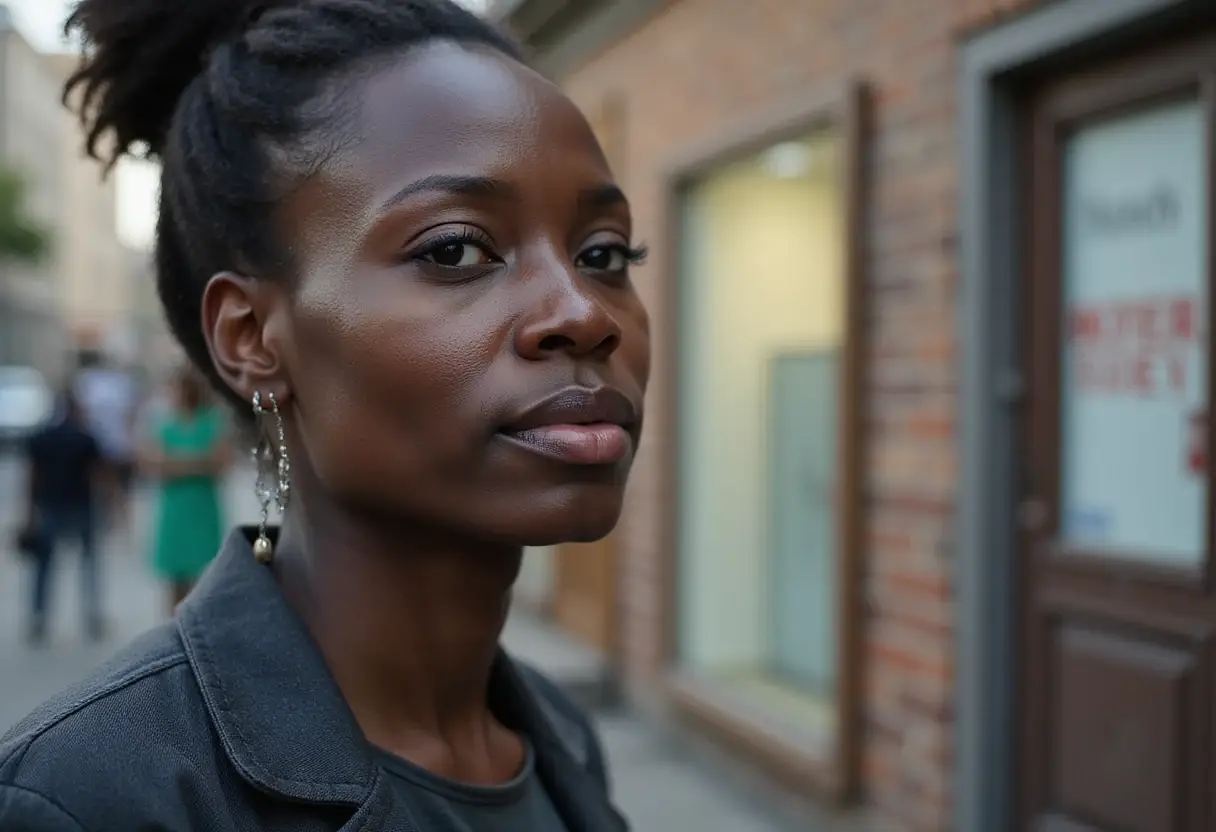
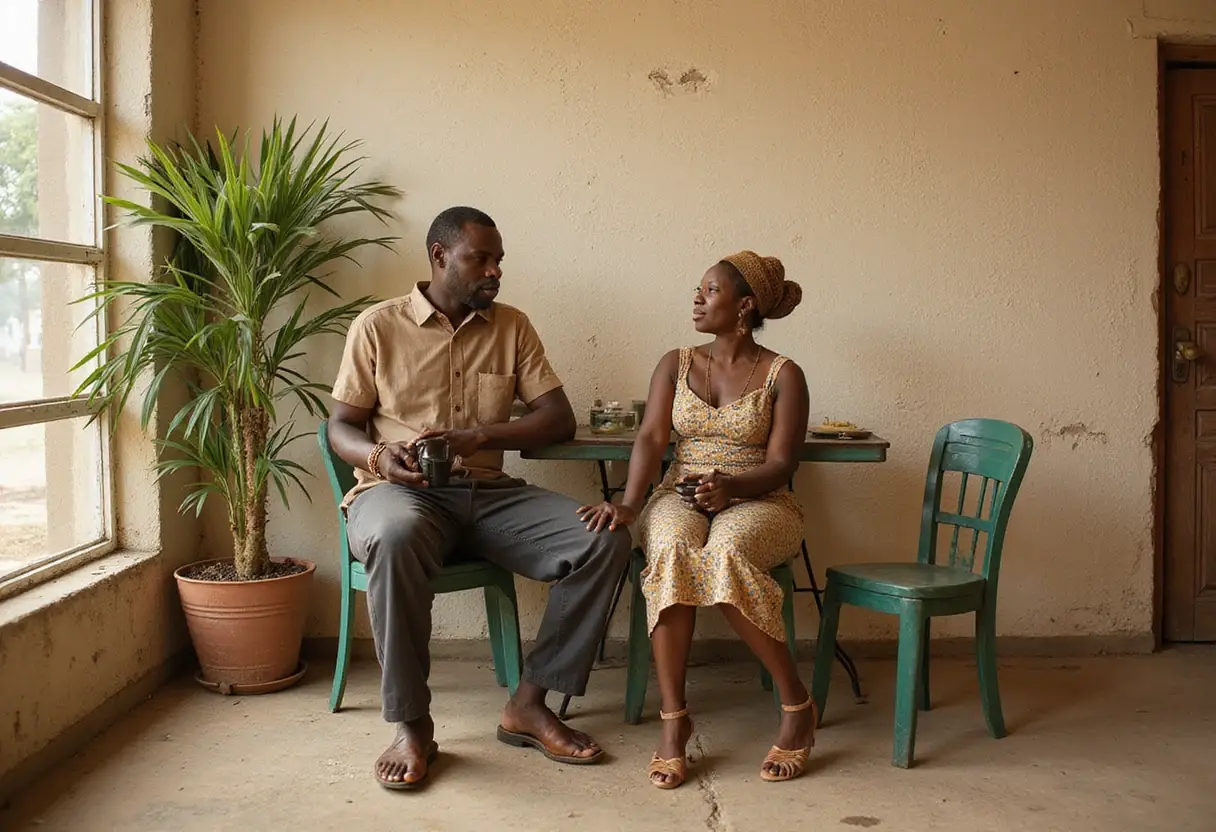
The Times headline points to chic, and chic is the visible content: dress, posture and self-presentation elevated to the main subject. The source describes pictures from a unique studio rather than a single famous series, so the interest lies in the body of work as a whole rather than in one iconic frame.
That body of work rewards attention on its own terms. Studio portraits of this era typically show sitters who understood the camera and used it deliberately, and a studio that sustained a distinctive identity across the 1960s clearly developed a visual language its clients recognized and wanted.
The takeaway: the archive's coherence, not any single image, is what makes it worth a feature in The Times.
Where this leads
Recovery of African studio archives is still unfinished business. The Times feature introduces this studio to an English-speaking audience that may not know it, and features of this kind routinely precede exhibitions, catalogues and museum acquisitions. Whether this particular archive follows that path will depend on its custodians and on the institutions now competing to tell this chapter of photographic history.
Key points
- The Times published a feature titled "L'Afrique, c'est chic" on a unique African photo studio.
- The pictures date from the 1960s, the decade of African independence movements.
- The studio's portraits emphasize style and self-presentation as their central subject.
- The feature contributes to a two-decade institutional recovery of African studio photography.
Source: Google News: photography exhibition
Grace Kim
Show full bio
Senior reporter covering companies, deals and strategy in Photography exhibitions, photographers, photo books, festivals and awards at Lens Gazette.