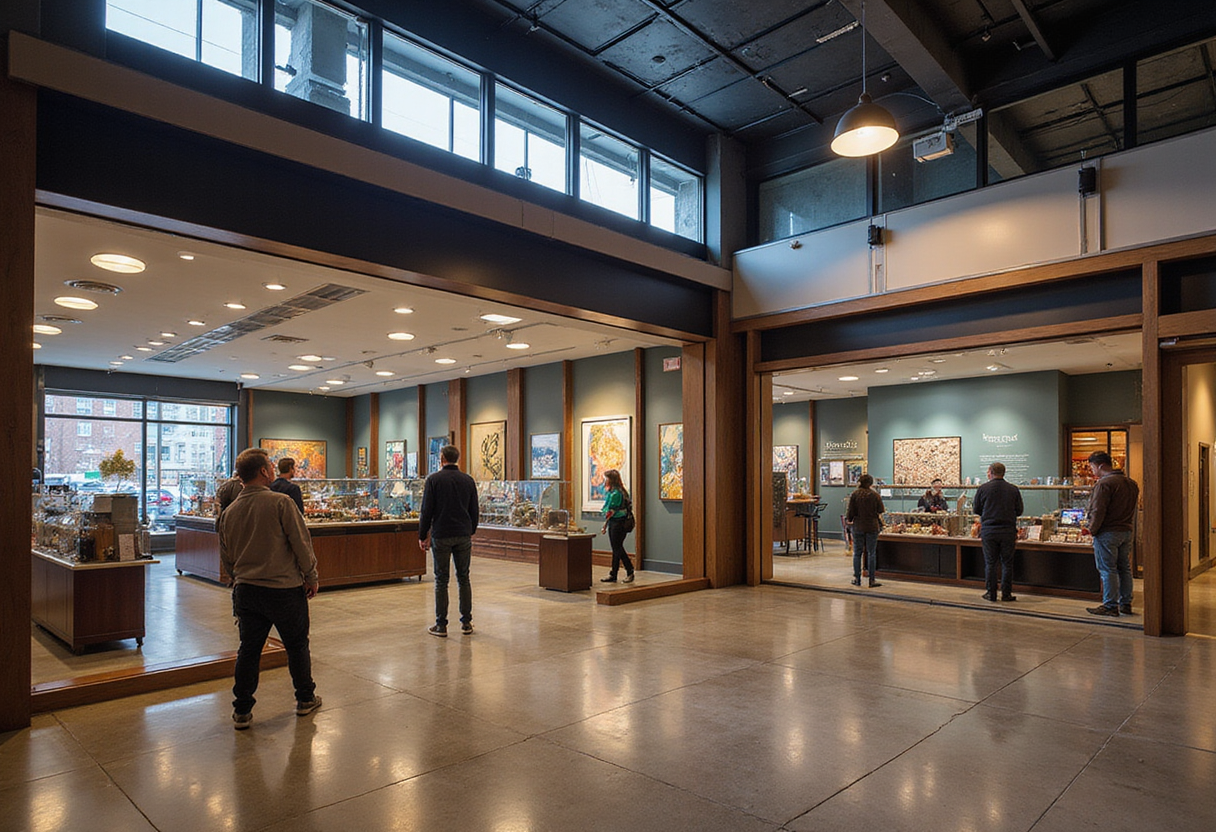
Cincinnati's Photography Museum Pitches Itself on Democratic Access
Cincinnati now hosts a dedicated photography museum, The Art Newspaper reports, with accessibility at the center of its curatorial pitch. Opening date, leadership, and first exhibitions are still to come.
Updated
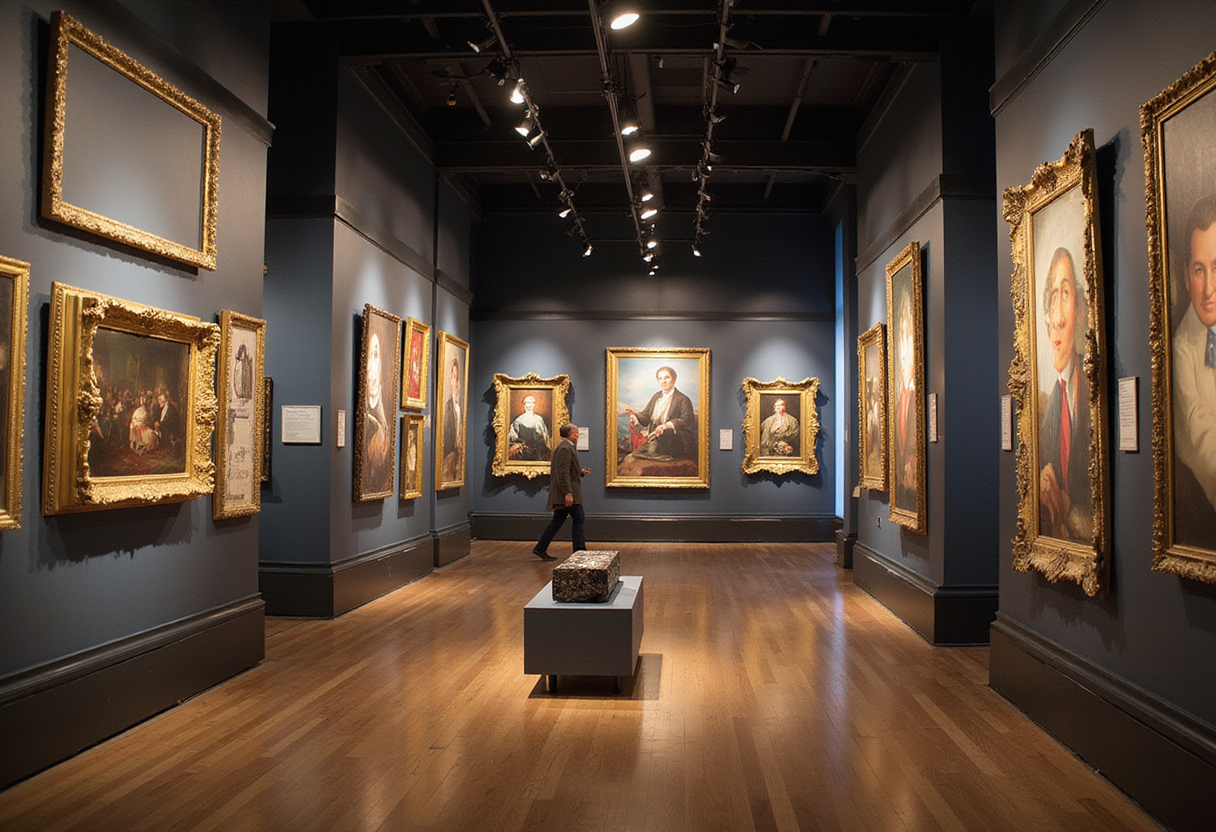
Cincinnati now hosts a photography museum built around the medium's democratic character. The Art Newspaper reports the new institution foregrounds accessibility as its curatorial claim.
What does that framing mean on the floor? A museum that names democratic access as its mission is, by design, an argument about who the medium belongs to. It puts the medium that once moved as mass-printed image, postcard, family snapshot, and news photo alongside work typically sealed behind museum velvet.
Why Cincinnati, and why now
Cincinnati is not the obvious stage for a museum betting on photography's populist roots. The city's institutional profile has long centered the Cincinnati Art Museum, founded in 1881, and the Contemporary Arts Center, established in 1939. A dedicated photography house does not appear on that roster — until now. The choice is unusual enough to count as news.
Photography has fewer dedicated museum outposts than painting or sculpture. Major institutions cluster in New York (MoMA, the International Center of Photography), Washington (the National Gallery of Art), San Francisco (the de Young), Amsterdam (Foam), Paris (the Maison Européenne de la Photographie), and London (the Photographers' Gallery). A Cincinnati entry reshuffles the map. It also lands in a year when several mid-size American cities are testing single-medium art spaces.
What "democratic power" commits to
The mission language does real work. Photography's democratic claim predates most of its institutions. The daguerreotype's mass appeal, Kodak's 1888 slogan — "you press the button, we do the rest" — and twentieth-century snapshot culture fed the argument that the medium belongs to everybody, not only credentialed viewers. A house built on that premise is also a critique of the white-cube consensus that has priced photography out of reach.
That critique lands differently now. The smartphone has democratized making far beyond Kodak's pitch. It has also saturated the field with new circulation problems — discovery, attention, credit — that have replaced access as the bottleneck for working photographers. The harder question becomes democratizing looking: getting bodies into rooms, paying photographers living wages for prints hung on walls, and resisting auction-driven price escalation that turns mid-century work into luxury goods. A museum that names only the first half of the project has work left to do.
What this changes for the field
What does the framing change? Two things. It positions Cincinnati against established coastal photography institutions, asking whether a mid-size American city can sustain a single-medium photography museum running on volume, not rarity. It also pushes peer institutions to articulate, or re-articulate, why the medium matters.
Photography's democratic argument runs on reproduction. Museums still trade in scarcity. The economic tension is old, and unresolved. Regional peers — the George Eastman Museum in Rochester, the Center for Creative Photography in Tucson, the Museum of Contemporary Photography in Chicago — have each negotiated it across decades. They are the closest benchmarks for Cincinnati's experiment. Established programs will be watching to see whether they should expand photography's footprint, lower ticket barriers, or cede more gallery space in mixed-media museums.
What comes next
Curatorial specifics — opening date, founding director, premiere exhibitions, and acquisition budget — remain undisclosed in the announcement now circulating. Without those details, the institution exists as manifesto more than building.
That is not a fatal ambiguity at the announcement stage. It is a reminder that photography's democratic promise requires more than rhetoric to land. Cincinnati has staked a claim. The medium, and the city's visitor numbers, will judge the rest.
Key points
- Cincinnati now hosts a new dedicated photography museum, per The Art Newspaper's announcement
- The institution's mission is built around the medium's democratic character and accessibility
- Cincinnati's existing art anchors include the Cincinnati Art Museum, founded in 1881, and the Contemporary Arts Center, established in 1939
- Established U.S. photography institutions include MoMA, the International Center of Photography, the National Gallery of Art, the de Young, the George Eastman Museum, the Center for Creative Photography, and the Museum of Contemporary Photography
- Opening date, founding director, premiere exhibitions, and acquisition budget have not yet been announced
Source: Google News: photography museum
Marcus Bennett
Show full bio
Correspondent covering companies, deals and strategy in Photography exhibitions, photographers, photo books, festivals and awards at Lens Gazette.