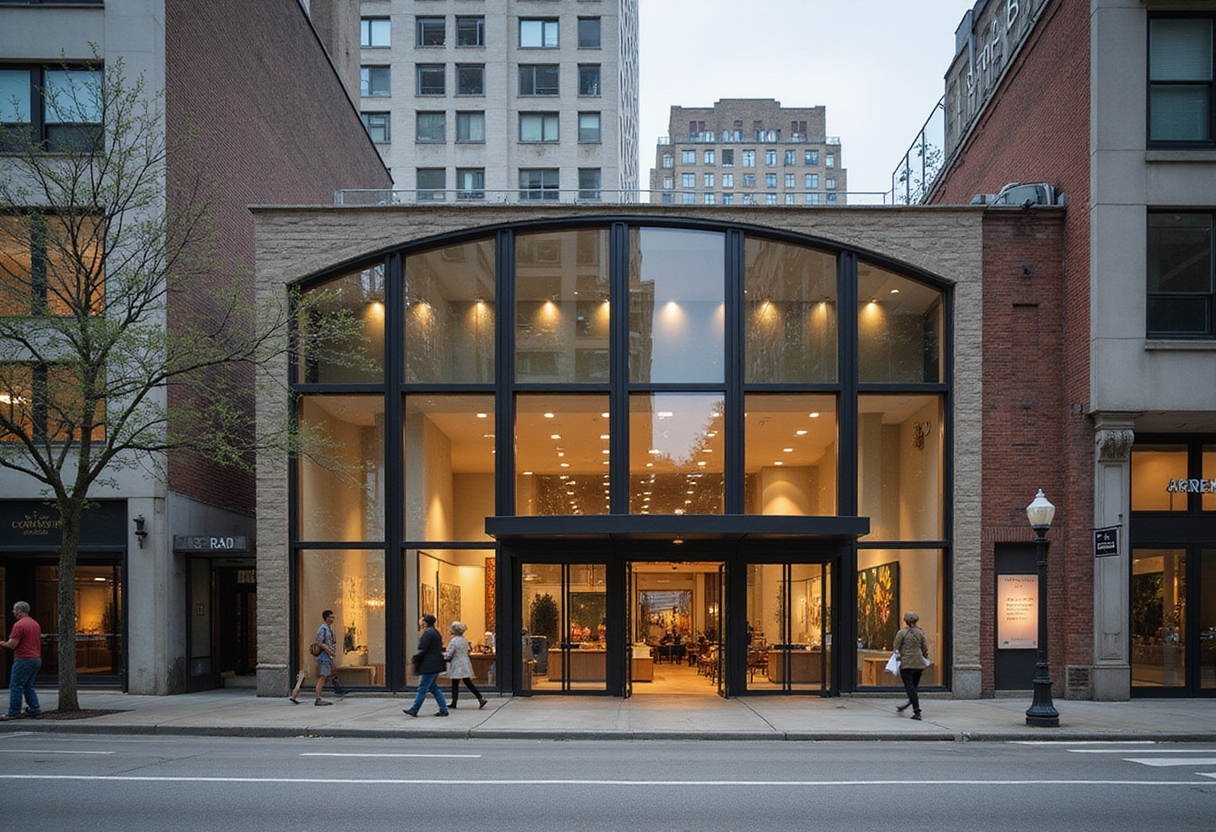
Cincinnati opens region's first dedicated photography museum
Cincinnati has gained its first dedicated photography museum, ending a long absence of permanent photography infrastructure across the Ohio-Kentucky-Indiana corridor. Founding details remain forthcoming.
Updated
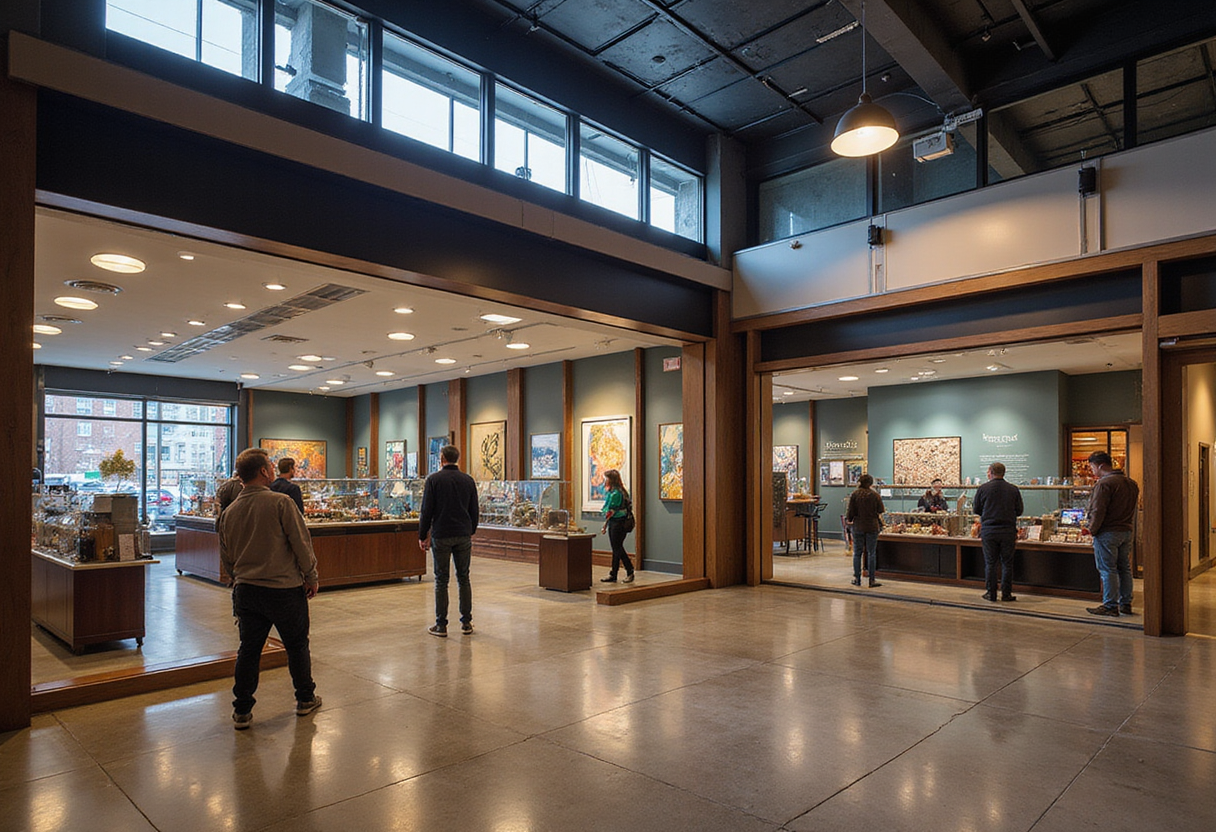
A dedicated photography museum has opened in the Cincinnati region. It is the first institution of its kind to serve the area, ending a long absence of such a venue in the Ohio-Kentucky-Indiana corridor.
The opening marks a structural change for photography in the region. Until now, the medium circulated through general-art museums, university galleries, and short-term exhibitions. A permanent venue devoted solely to photography alters that arrangement for collectors, working artists, and curators.
Why has the region gone without one until now?
The answer lies in scale and in cost. Permanent photography institutions require climate-controlled storage and sustained curatorial staff. They also require a donor base familiar with the medium's market. Few mid-sized American cities have met those requirements for photography alone.
What separates a museum from a gallery?
A museum conserves material, supports research, and builds a permanent collection. A gallery exhibits work, often for sale, without the same archival duty. The distinction matters because it determines whether programming survives beyond individual exhibitions and individual curators.
How will regional photographers use the new institution?
The venue creates a stable platform for retrospectives, emerging-artist shows, and educational programming. Regional photographers have long traveled to Chicago, Cleveland, or Pittsburgh for such infrastructure. That travel requirement may now diminish, particularly for mid-career artists without gallery representation in larger markets.
Where does this museum sit in the institutional history of photography?
Photography museums in the United States have a comparatively short history. The George Eastman Museum in Rochester opened its photography collection publicly in 1947. The Center for Creative Photography in Tucson was founded in 1975. The Museum of Contemporary Photography in Chicago began in 1976. Regional institutions have followed more slowly, particularly outside major coastal cities.
Cincinnati now joins that institutional category at a regional level. The museum enters a field that remains thin across the American Midwest. Its long-term standing will rest on year-round programming, scholarly publications, and consistent educational outreach over time.
The new museum will also face the question of collection scope. Photography as a discipline spans daguerreotype to digital, documentary to constructed image. A regional institution typically narrows its focus in its early years. The first exhibitions will signal whether the museum emphasizes historical survey, contemporary practice, or regional documentary tradition. Cincinnati's photographic history, including documentation of the 1937 flood and the industrial-era riverfront, offers one possible anchor for that scope.
What is known, and what remains unannounced?
Several key details about the new institution have not yet been made public. The Dayton Daily News first reported the opening and the regional-first claim. Public reporting has not specified the founding donor, the lead curator, the inaugural exhibition dates, or the source of the permanent collection. Those specifics will follow in subsequent coverage.
What will determine the museum's trajectory?
The institution's first exhibition cycle will set the standard for what follows. Year-round programming, a published collection catalog, and a documented loan policy are baseline expectations for any working photography museum. Whether the institution becomes a regional anchor will depend on its ability to meet those expectations over time.
Local partnerships will shape the museum's early years. The Art Academy of Cincinnati, the University of Cincinnati, and regional camera clubs are likely candidates for collaboration. Documentary photographers and journalism programs may find a venue for long-form visual work as well.
The opening closes a regional gap in dedicated photography infrastructure. It also opens a series of questions about funding, programming depth, and audience reach. Those questions will resolve over the institution's first three to five years of operation, with early attendance and exhibition quality serving as the first measurable signals.
For Cincinnati, the arrival marks a structural addition to the regional cultural map. The work ahead is the building of a permanent collection, a curatorial program, and a sustained audience. That is the task now underway.
Key points
- A dedicated photography museum has opened in the Cincinnati region, described as the first of its kind in the area
- The Dayton Daily News first reported the opening and the regional-first claim
- Public reporting has not yet specified the museum's founding donor, lead curator, inaugural exhibition dates, or the source of the permanent collection
- Cincinnati's metropolitan area spans parts of Ohio, Kentucky, and Indiana
Source: Google News: photography museum
Grace Kim
Show full bio
Senior reporter covering companies, deals and strategy in Photography exhibitions, photographers, photo books, festivals and awards at Lens Gazette.