Wildline Cadet's First Solo Museum Exhibition Centers Black Diaspora
Cincinnati Magazine reports that Wildline Cadet has been granted her first solo museum exhibition, with the show built around her ongoing photographic examination of Black diasporic life and culture.
Updated
Cincinnati Magazine has reported that photographer Wildline Cadet has been awarded her first solo museum exhibition, with the show built around her ongoing examination of Black diasporic life and culture. The announcement, carried under the magazine's editorial banner, marks the first public institutional milestone a curator has granted the photographer's body of work.
What does a first solo museum exhibition actually change?
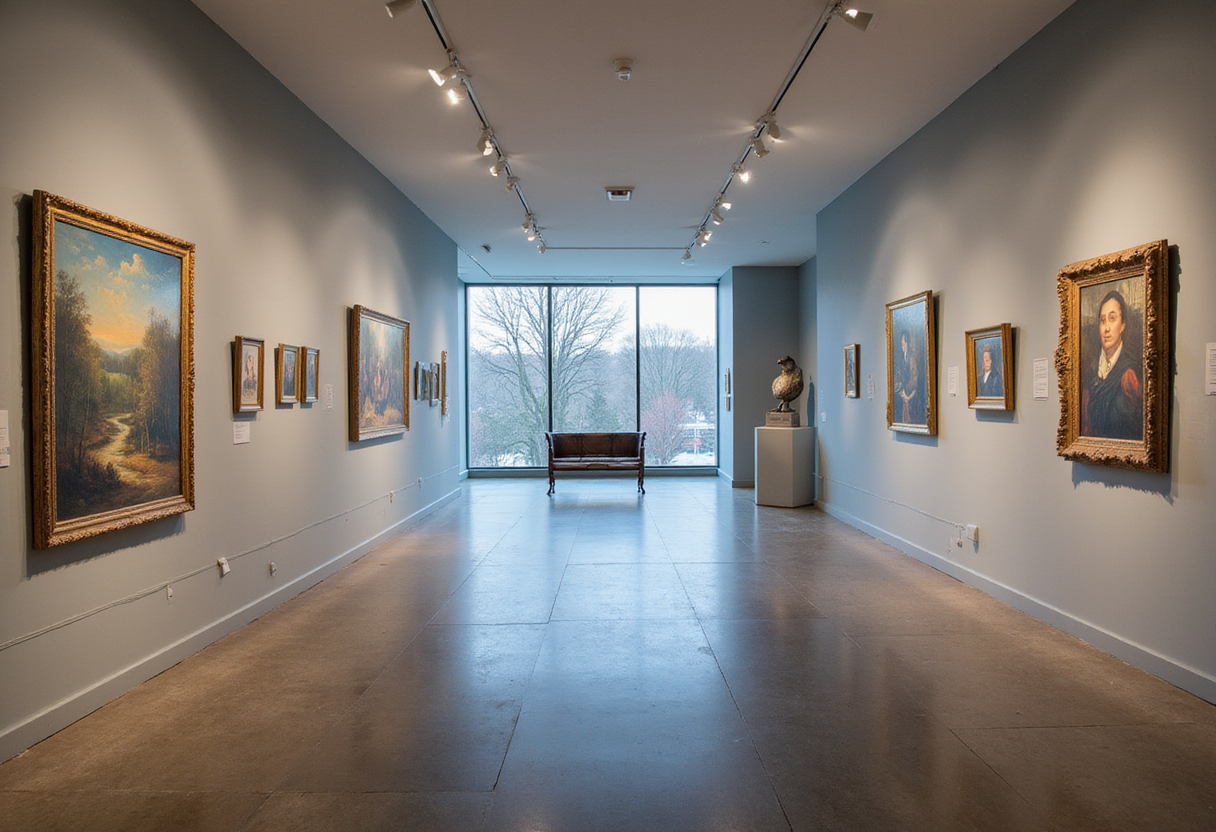
A first solo museum exhibition is the kind of curatorial threshold that reorganizes a photographic practice. Group shows, festival screenings, photobook editions, and self-published zines all reach audiences, but they share walls with other artists and other arguments. A dedicated museum room gives the photographer sequence, lighting, wall text, and an institutional audience. It is also where acquisitions committees make decisions that place prints in permanent collections. For an image-maker at any stage, the move from project to exhibition reshapes the public record of the work.
Cincinnati Magazine's decision to lead a feature on a photographer in this position is itself part of the story. Local press coverage signals that a city institution has invested curatorial capital in a project; the regional cultural press then has to decide how to frame that investment. Cincinnati's photography ecosystem, anchored by the Contemporary Arts Center, the Cincinnati Art Museum, and a portfolio-review circuit that brings regional photographers into dialogue with national curators, gives the announcement a workable institutional backdrop. The editorial choice suggests the exhibition has enough institutional weight to cross from calendar listings into feature treatment.
Where does the work sit photographically?
The headline's phrasing — "Black diasporic life and culture" — locates Cadet within a documentary and portrait tradition that has, over the past three decades, insisted on photographic authorship from inside the community rather than from external ethnographic distance. Diaspora photography has historically moved between two registers: the observational distance of the visiting photographer and the self-representational practice of image-makers working from within their own communities. A curator's framing of the exhibition will determine which register the museum amplifies.
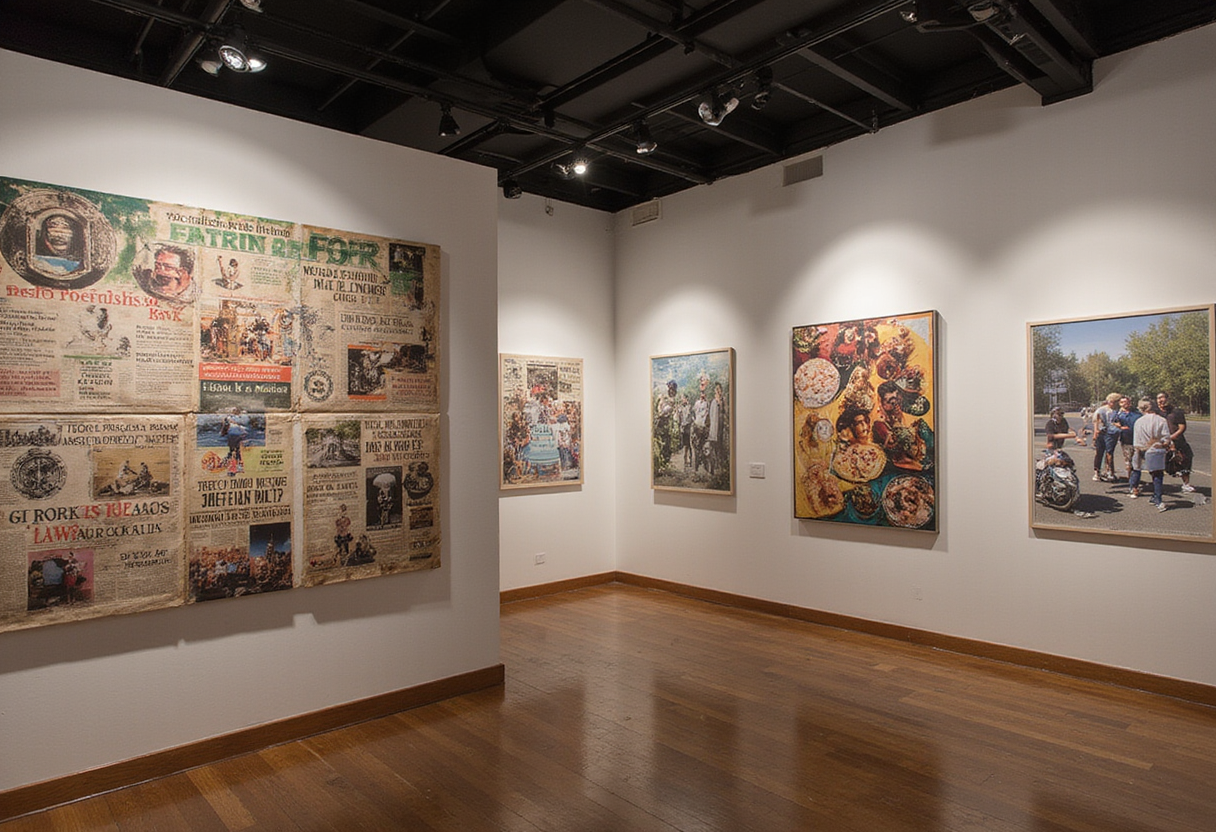
Critics evaluating the show will look at three things: the choice of prints and whether the curator has selected a coherent sequence or a survey gesture, the wall text's framing of diasporic experience, and the museum's decisions about scale, installation, and lighting. Without a checklist or press release in the source material, the exhibition's specific photographic register remains open. What the headline establishes is the curatorial premise; the work's execution on the wall will determine whether that premise holds under review.
What comes after the opening?
The forward question is whether the museum's commitment extends beyond a single showing. First solo exhibitions typically generate catalogue essays, traveling iterations, and acquisition offers that place prints in public collections. They also change the questions a photographer receives at portfolio reviews and grant panels, since the CV now records institutional validation as a fact rather than an aspiration.
Cincinnati Magazine's coverage indicates the show warrants regional press attention on its own terms. Whether that attention translates into national photography press coverage, a printed catalogue, or a touring version will determine whether Cadet's first solo museum exhibition becomes a one-room milestone or the opening move in a longer institutional conversation. The source gives the headline; the exhibition itself will determine the rest.
Key points
- Wildline Cadet has received her first solo museum exhibition, per Cincinnati Magazine.
- The exhibition is built around her photographic work on Black diasporic life and culture.
- The announcement was carried as a feature in Cincinnati Magazine, indicating regional editorial weight.
- Cincinnati's photography ecosystem includes the Contemporary Arts Center and the Cincinnati Art Museum.
- First solo museum exhibitions typically trigger acquisitions, catalogue essays, and traveling iterations.
Source: Google News: photography museum
Olivia Hart
Show full bio
Staff writer covering industry trends and analytics at Lens Gazette.