FotoFocus Biennial Floods Cincinnati With Photography on a Grand Scale
The FotoFocus biennial returns to Cincinnati, filling venues across the city with photography at a scale few American cities outside the coasts can sustain.
Updated

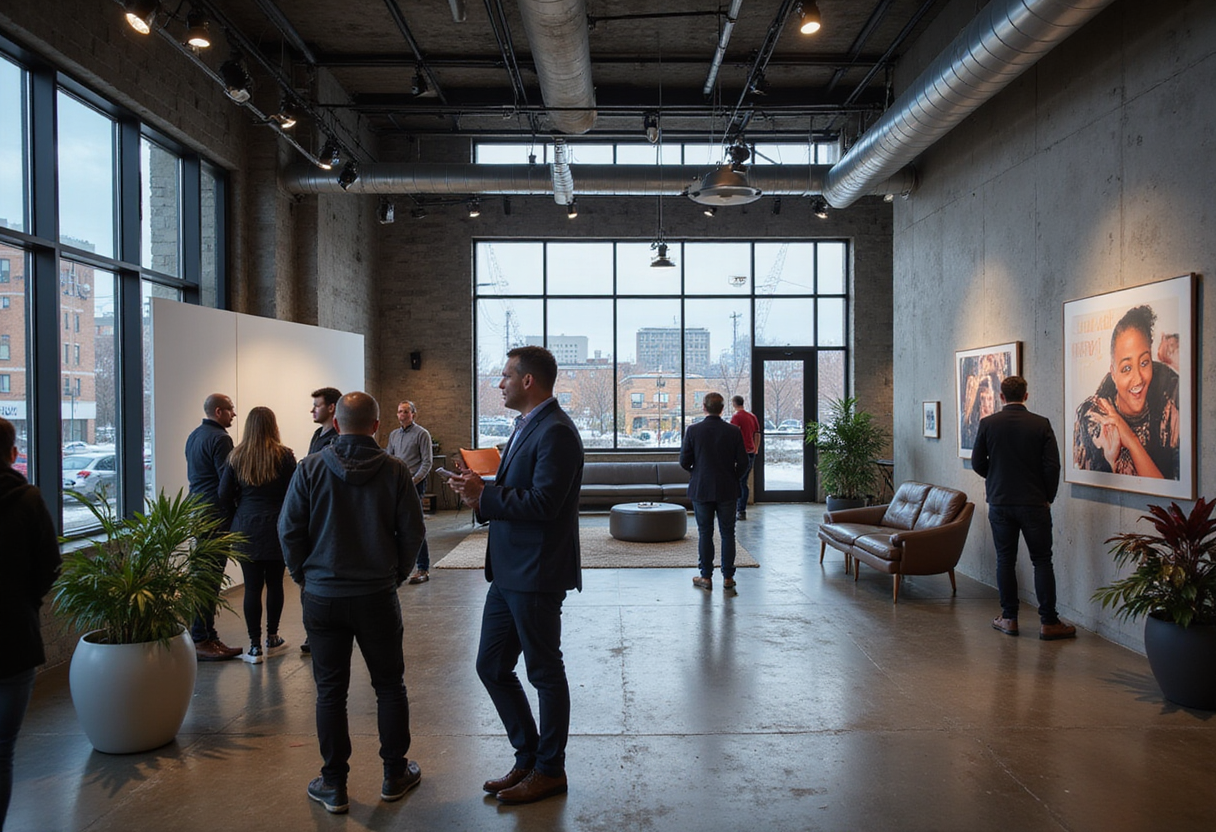
Cincinnati has become, for the duration of this season, one of the most saturated photography destinations in the American Midwest. The FotoFocus biennial has returned to the city, and by the measure of its own organizers it is huge — a word Cincinnati Magazine uses without qualification — filling venues across the region with lens-based work at a scale few American cities outside New York can sustain.
That scale is the story. FotoFocus has built its reputation on the biennial model it helped establish in 2012: rather than a single museum mounting a blockbuster, the organization convenes institutions across Cincinnati and surrounding communities — museums, universities, galleries and independent spaces — under one umbrella program. The result reads less like an exhibition than a city-wide condition. Visitors move between buildings and neighborhoods to take in the full program, and the biennial's signature move is to make that movement itself part of the experience of photography.
For a city of roughly 300,000 people, this is an ambitious institutional wager. Photography biennials of comparable ambition tend to cluster in coastal capitals or in European cities with decades of municipal subsidy. FotoFocus inverts that geography, betting that a coordinated network of local institutions — each staging its own exhibitions under the biennial's theme — can produce something a visitor would otherwise have to travel far to find. Cincinnati Magazine's framing of the current edition as a "huge display" suggests the bet continues to pay off in sheer quantity.
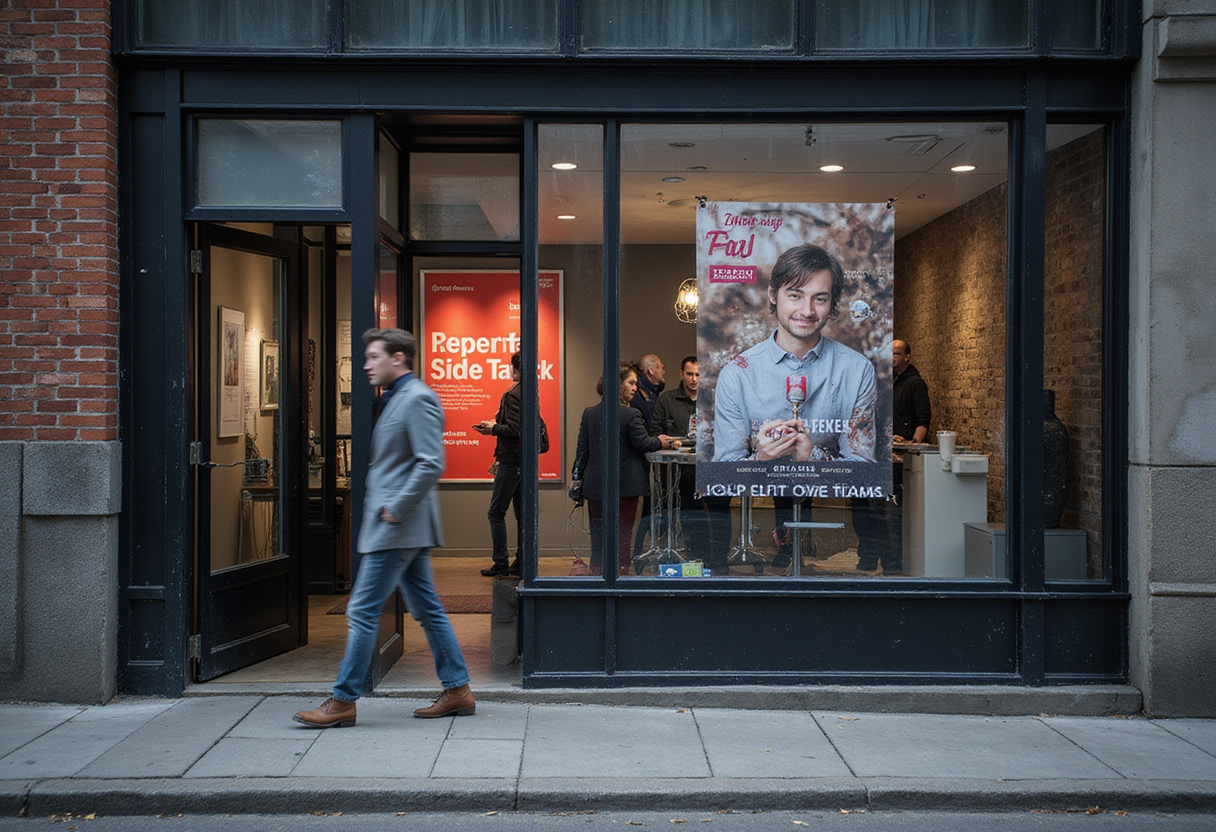
The biennial structure also changes how the work reaches its audience. Because exhibitions are spread across participating venues rather than concentrated in one building, photographers on the program gain context they would not get on a gallery wall alone: a series shown beside a museum's permanent collection reads differently than the same series in a university space or a storefront. The curatorship happens twice over — once within each exhibition, and once in the juxtapositions the biennial creates between them.
What the current edition holds in detail, Cincinnati Magazine's report signals only in aggregate. The headline fact is volume: photography arriving in Cincinnati at a scale the magazine treats as an event in itself. That framing carries its own critical weight. In an era when many mid-sized American cities struggle to sustain even a single serious photography program, Cincinnati is hosting dozens of them simultaneously — and drawing audiences, critics and visiting photographers to a city more often associated with its art academy and its chili than with the international photography circuit.
The institutional backstory matters here. FotoFocus arrived at a moment when photography's place in American museums was still contested — acknowledged, collected, but rarely given the room painting commanded. A biennial devoted entirely to the medium, in a city without a dedicated photography museum, was a corrective: it did not build a new building, it reprogrammed the existing ones. Over successive editions the organization has commissioned new work, supported exhibitions that participating venues could not otherwise afford, and built an audience that expects photography to anchor the city's autumn cultural calendar.
There is a critical question worth asking of any biennial this large. Does scale produce depth, or dilute it? A sprawling program risks becoming a checklist — venues visited for completeness rather than attention — and the strongest biennials are those where a few exhibitions do disproportionate work while the rest supply breadth. Cincinnati Magazine's report does not yet offer that granular judgment, and readers planning a visit should treat the aggregate claim — huge — as an invitation rather than a verdict.
What is not in doubt is the civic logic. Photography travels well, installs flexibly, and speaks across the institutional range from academic gallery to community space better than almost any other medium. A biennial built on those qualities turns a city's entire cultural infrastructure into a single instrument. Cincinnati's edition demonstrates the model's durability: this is not a festival on its first outing testing whether anyone comes, but an established recurring program confident enough in its audience to keep growing.
For photographers, the significance is straightforward. Inclusion in a biennial of this reach places work before an audience assembled specifically for it — curators, collectors, editors and the general public arriving with photography already in mind. For a Midwestern city, that is a rare position: the destination, not the stopover.
Where it heads next depends on the choices FotoFocus has yet to announce — future themes, commissions and participating venues — but the trajectory the current edition confirms is an expanding one, with Cincinnati holding its place as the region's center of gravity for the photographic medium.
Key points
- The FotoFocus biennial has returned to Cincinnati, described by Cincinnati Magazine as a huge display of photography.
- The biennial spreads exhibitions across participating venues throughout Cincinnati rather than concentrating them in one institution.
- The current edition positions Cincinnati as a major regional destination for photography this season.
Source: Google News: photography exhibition
Marcus Bennett
Show full bio
Correspondent covering consumer brands and retail at Lens Gazette.