Zanele Muholi Talks Visual Activism, Somnyama Ngonyama and the Lens Turned Inward
Visual activist Zanele Muholi discusses Somnyama Ngonyama (2012), their mother's influence, and turning the lens on themselves — with a new MACK book at $80/£65.
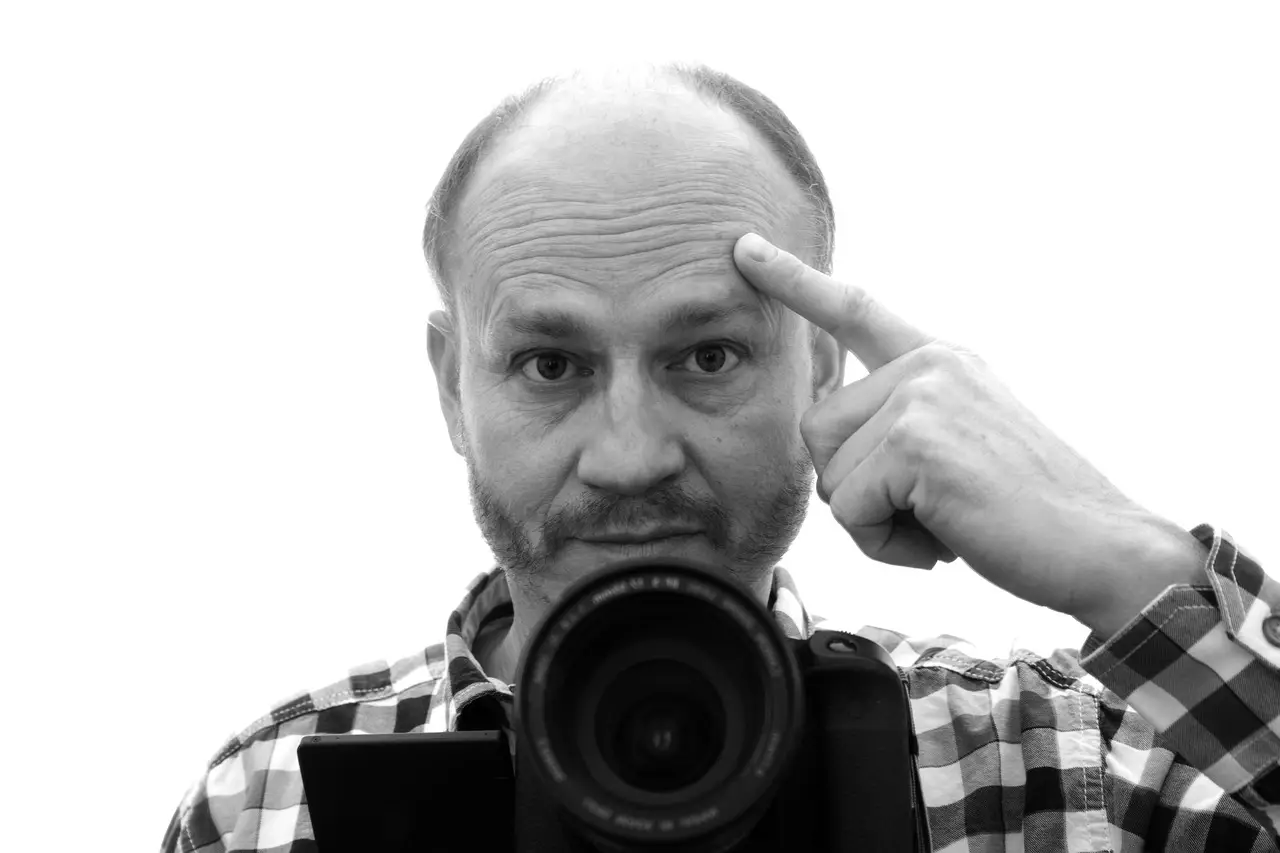
Zanele Muholi, the South African visual activist who has documented queer and trans lives since the mid-2000s, appears in a new podcast episode — accompanied by the book "Faces and Phases: Zanele Muholi," published by MACK at $80 (UK price £65). The episode carries a content warning: it includes discussion of sexual and homophobic violence.
Muholi was born in 1972 in Umlazi, Durban, and lives today in Cape Town. They describe themself as a visual activist. Since the mid-2000s, they have used photography to document the lives of LGBTQ+ people, beginning in South Africa. The project has since expanded around the world.
What does the work set out to do?
Muholi works in discrete, often ongoing series with a shared purpose. The aim is threefold: to respond to violence and discrimination against queer and trans communities, to reflect their defiance and resistance, and to expand their visibility in visual culture in South Africa in particular but also far beyond it. The pictures are not reportage. They are a sustained argument for presence.
The people Muholi depicts have never been simple sitters. From the start, they have been collaborators and participants who help define how they are represented. That structure is unusual in portraiture, and it changes what the images mean. The takeaway: representation here is negotiated, not imposed.
Why does the self-portrait matter so much?
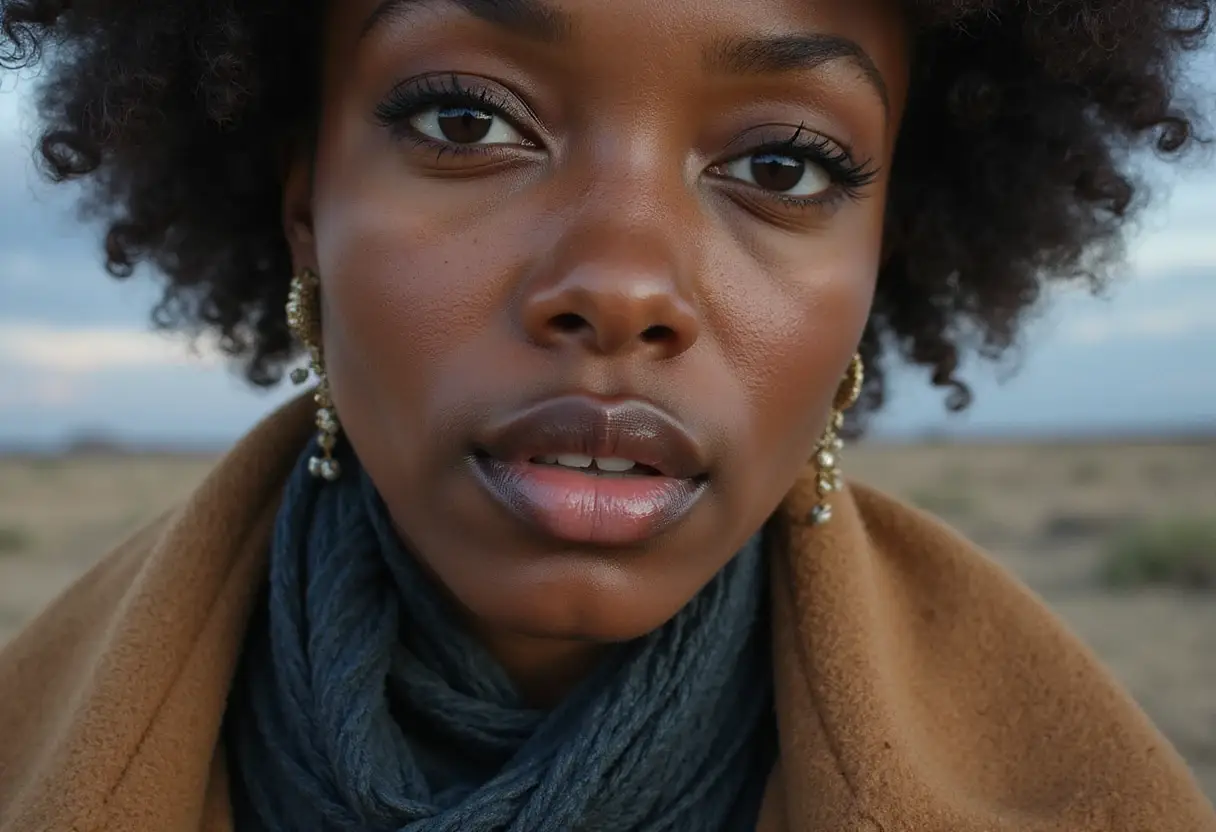
A crucial factor in the work is that Muholi turns the lens onto themself. The artist has stated the position directly. "When I position myself in my own frame," they have said, "I do so on my own terms attempting to articulate my own way of seeing and wanting to be seen."
That sentence carries the whole method. The self-portrait is not vanity or confession. It is a claim on the terms of visibility itself. Muholi's imaginative and improvised self-portraits sit beside unflinching and tender portraits of their collaborators, and across both modes the photographs remain beautiful objects, made with fastidious attention to the properties and possibilities of the medium.
Where did Somnyama Ngonyama come from?
In the conversation, Muholi discusses the influence of their mother, a maker herself, who had a profound influence on one of Muholi's most notable works, "Somnyama Ngonyama," begun in 2012. The series stands as the clearest example of the self-portrait strategy: the artist in front of the camera, on their own terms, controlling the frame.
Muholi also names the wider constellation of influences behind the work:
- Photographers Rotimi Fani-Kayode, Lola Flash and Joan E. Biren
- Writers including Audre Lorde
- Musicians including Brenda Fassie
The genealogy is deliberate. Fani-Kayode, Flash and Biren each built bodies of work in which queer subjects refused the position of object. Muholi's project extends that refusal into South African visual culture, where queer and trans visibility had long been thin or hostile.
What do the daily rhythms reveal?
Beyond the art-historical ground, the episode works through the podcast's usual questions. Muholi gives insight into daily practices and the rhythms of the work — the ordinary mechanics behind a two-decade project. They also reflect on what the episode frames as the ultimate question: what is art for?
For Muholi, the answer runs through the stated aims of the series themselves. Art exists to respond to violence, to record defiance, and to make communities visible that visual culture has failed to see. The craft — the fastidious attention to the medium's properties — serves that end rather than decorating it.
The takeaway: the practice is an argument, made daily, that queer and trans lives belong in the frame on their own terms. With the MACK volume "Faces and Phases" now on shelves and the project expanding worldwide, that argument keeps reaching new audiences.
Key points
- Zanele Muholi was born in 1972 in Umlazi, Durban, and lives in Cape Town
- Somnyama Ngonyama, one of Muholi's most notable works, began in 2012
- "Faces and Phases: Zanele Muholi" is published by MACK at $80 / £65
- Influences named include Rotimi Fani-Kayode, Lola Flash, Joan E. Biren, Audre Lorde and Brenda Fassie
- The episode carries a content warning for discussion of sexual and homophobic violence
Source: theartnewspaper.com
Grace Kim
Show full bio
Senior reporter covering companies, deals and strategy in Photography exhibitions, photographers, photo books, festivals and awards at Lens Gazette.