South Korean Press Photographers File Police Complaint Over 'Hyenas' Slur
The Korean Photographers Association filed a police complaint after DPK lawmaker Choi Min-hee called press photographers a 'pack of hyenas' in a 500-member chatroom, despite her apology.
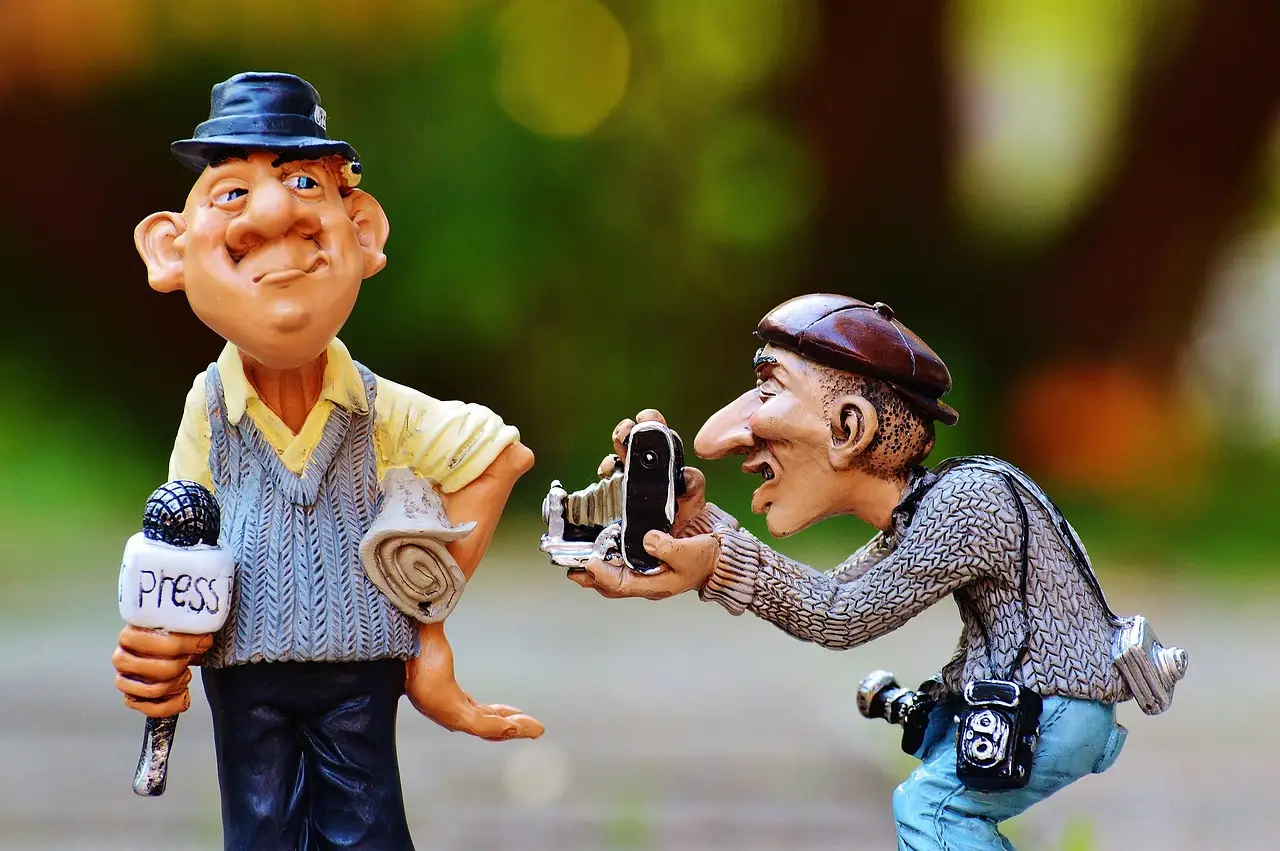
The Korean Photographers Association has filed a formal police complaint against Representative Choi Min-hee, a senior member of the ruling Democratic Party of Korea (DPK), after she described working press photographers as a "pack of hyenas" in a party group chat with more than 500 participants.
The complaint, finalised this week, escalates a dispute that began last week when Choi uploaded photographs of photojournalists covering DPK events to a KakaoTalk chatroom for local party members in Namyangju, a city east of Seoul. Alongside the images, she wrote: "These are journalists from media outlets with access to the National Assembly. They're doing this to capture divisive footage somehow," according to numerous South Korean news outlets.
For the photographers pictured, the consequences were immediate and personal. The association said in a statement reported by the national outlet Cho Sun Daily that the photographers whose faces appeared in Choi's post "are currently experiencing severe humiliation and self-loathing, struggling to the point of being unable to continue their work."
Why the association went to the police
Choi attempted to defuse the row on Wednesday with a press conference at the National Assembly, where she apologised for the remarks. The association proceeded with legal action regardless, arguing that an apology does not undo the damage or deter future attacks on working photographers.
The statement lays out the reasoning plainly. "Condemning legitimate reporting activities as political divisiveness and ridiculing journalists by comparing them to animals is a clear insult to media professionals and an inappropriate act with potential for defamation," the association writes.
It goes further on the question of what press photography is actually for — a point that speaks to every photojournalist who has been shouted down, blocked or branded a nuisance while covering public officials. "Photographers do not exist to capture scenes that suit politicians' preferences," the statement reads. "They exist to monitor power through the eyes of the public and record history. Criticism of the media is free, but insults and baseless accusations against reporters cannot be justified."
The association frames the incident as a line crossed — from criticism of coverage, which it accepts, into defamation of the people doing the covering. That distinction now sits at the centre of the police complaint.
What happened in the chatroom
The sequence of events is short but consequential:
- Last week, Choi shared images of press photographers working at DPK events in a KakaoTalk group chat for local party members in Namyangju.
- The chatroom held more than 500 participants, meaning the photographs and the accompanying insult spread quickly among party members.
- Choi captioned the images by identifying the photographers as National Assembly–accredited journalists and accusing them of trying to "capture divisive footage somehow."
- Screenshots circulated widely online, drawing an angry backlash from South Korean media.
- On Wednesday, Choi held a press conference at the National Assembly and apologised.
- The Korean Photographers Association then confirmed its decision to file a police complaint.
Choi serves in the country's National Assembly as a senior figure in the DPK, the party currently governing South Korea. Her standing makes the remark more than a stray insult from a private citizen: it came from a lawmaker with access to the very institutions the photographed journalists are accredited to cover.
Why this matters for photographers
For practitioners, the case tests whether verbal attacks on photojournalists carry legal weight in South Korea. The association's complaint rests on defamation law, and its outcome will signal to photographers elsewhere whether naming and mocking working press — with their faces attached — can be treated as a punishable act rather than coarse political rhetoric.
The incident also lands in a broader context of friction between politicians and visual journalists. Photographers at political events occupy a peculiar position: they are physically closest to power, crowding the frame at press conferences and rallies, yet they are often the first to be characterised as intrusive or aggressive. Choi's "hyenas" comparison draws directly on that caricature — the scrum of lenses read as a feral pack rather than as workers doing an accredited job.
The association's rebuttal rejects that framing at its root. Photographers monitor power, it argues; their presence at party events is not a hunt for "divisive footage" but the ordinary mechanism by which a public record is made. Several of the photographers in the uploaded images are, by the association's account, now unable to work.
What comes next
The police complaint now moves the dispute from public argument into the legal system, and the Korean Photographers Association has committed to pursuing it to protect its members' rights. Whether prosecutors take up a case arising from a politician's chatroom remark about journalists — however demeaning — will test the practical reach of South Korea's defamation protections for the press.
The outcome, and Choi's standing within the DPK after her apology, will tell photographers in the country whether institutional consequences follow when those in power turn on the people holding the cameras.
Key points
- The Korean Photographers Association filed a police complaint against Representative Choi Min-hee over her 'pack of hyenas' remark.
- Choi posted the insult in a KakaoTalk chatroom with over 500 participants in Namyangju.
- Choi apologised at a National Assembly press conference on Wednesday before the complaint proceeded.
- The association says photographed members experienced humiliation severe enough to stop them working.
Original: koreatimes.co.kr
James Calloway
Show full bio
Market editor covering people, launches and day-to-day practice in Photography exhibitions, photographers, photo books, festivals and awards at Lens Gazette.