Changnyeong photography exhibition puts 37 local landscapes on view
Changnyeong’s photography branch stages 37 landscape photographs in its ninth members’ exhibition, free from November 3 to 7, with civic promotion and volunteer work as prominent as the pictures.

By Daniel Okafor
Thirty-seven photographs go on view in the ninth members’ exhibition by the Changnyeong Branch of the Korea Photographers Association from November 3 to 7. The show occupies the Main Exhibition Hall at the Changnyeong Culture and Arts Center, opens daily from 10 a.m. to 5 p.m. and charges no admission.
The branch has 16 active members, making this a compact collective survey. Its declared field of view is also specific: the 37 works record Changnyeong’s diverse landscapes, natural scenery and local beauty through members’ eyes.
How does the branch use photography beyond the gallery?
Branch Chief Jinsik Choi said: “I hope this exhibition will be a meaningful opportunity to share the value of Changnyeong's history and nature with residents and visitors. We will continue to do our best to promote the development of local culture and the arts and to broaden appreciation of photography.”
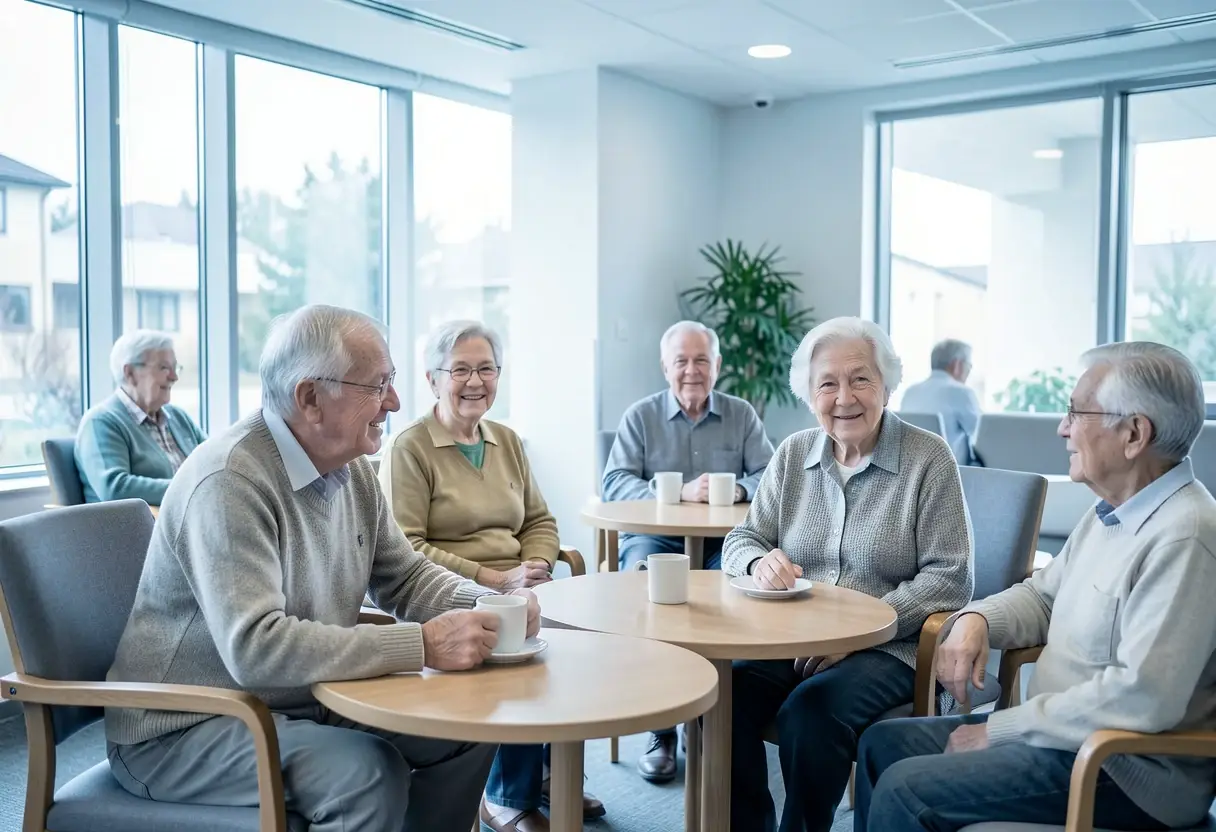
Choi’s statement places the show inside the branch’s wider cultural role. Its volunteer work includes making longevity portraits of senior citizens and taking family photographs for multicultural households. These activities turn photography into a record of particular lives, not simply an aesthetic object, and give the branch a reason to engage residents beyond the exhibition hall.
That continuity gives the exhibition its clearest institutional context. It also comes with unanswered questions. The notice gives no counts for portraits made, households reached or photographs distributed, and does not say whether this civic programme informs the 37 exhibited works. Any claim that the show deepens community participation therefore remains plausible, but unmeasured.
What does the exhibition actually show?
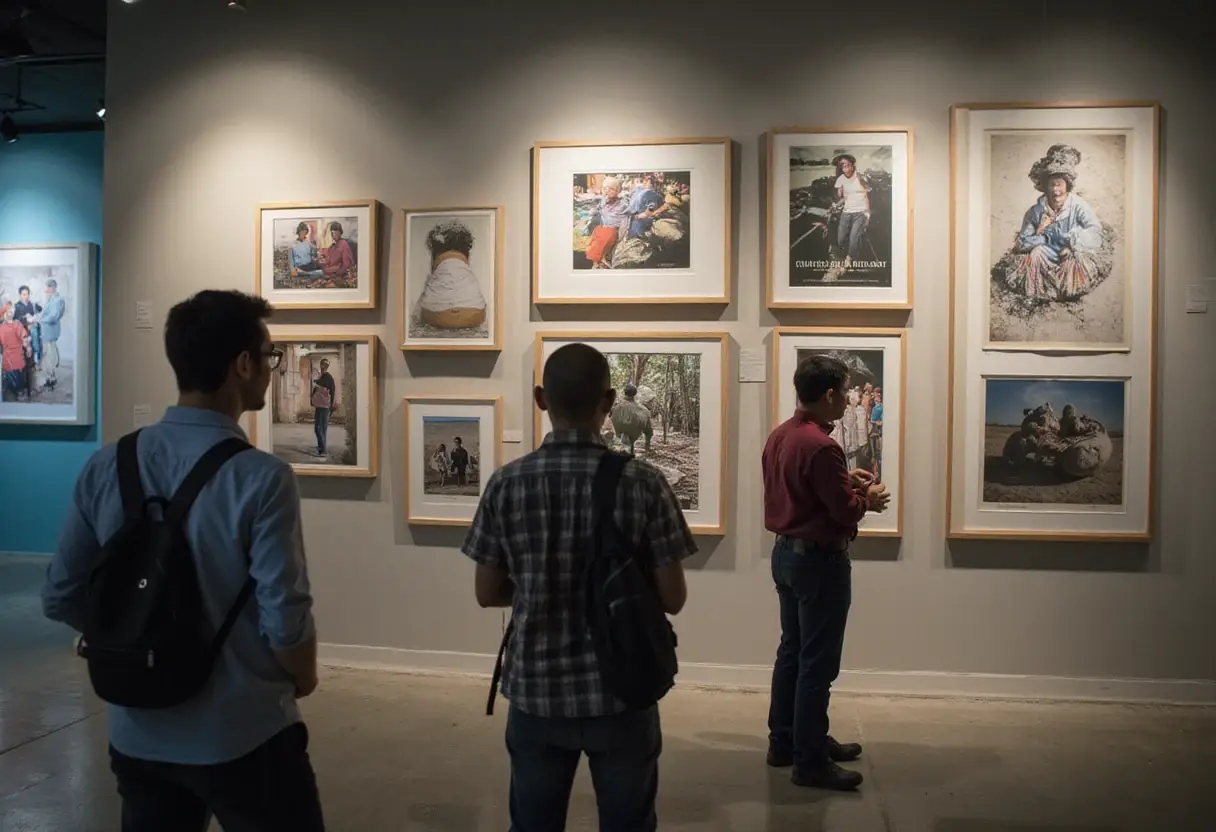
The collective subject is Changnyeong itself. The branch says the pictures engage the area’s natural, historical and cultural resources, but it does not describe a specific location, motif, season or compositional approach in enough detail to assess individual frames. The accompanying photograph records the exhibition, but the notice offers no catalogue of its visual range.
That missing detail matters for photography, where sequence, cropping and the relation between observed places and their photographic construction can distinguish a coherent body of work from a set of scenic views. The source gives no basis for saying which kind this is.
The safest conclusion is narrower: the members have assembled 37 works around the landscapes they know, while leaving their individual voices largely unreported.
In publishing terms, the gathering resembles a shared contact sheet more than a single-author monograph, although the notice does not say how many members contributed. That is useful shorthand for a collective display, but not evidence of editing, authorship or a shared argument.
The ninth edition establishes an exhibition series, although its scale remains local. It offers 37 opportunities to examine how photographers working within one community frame the place they inhabit. Whether that accumulation becomes a distinctive visual argument will depend on what the walls reveal, information the notice does not supply.
Can culture and tourism follow from 37 photographs?
The notice expects the show to invigorate local photographers’ creative activity, give residents access to “high-quality photographic art” and reveal the area’s hidden charms. It also anticipates stronger local identity, community pride, a wider culture of sharing through the arts and more tourism generated by linking culture with the region’s natural, historical and cultural assets.
Every one of those benefits is still a forecast. The report provides no visitor totals, feedback, audience research, tourism figures or evidence that visitors came from beyond Changnyeong. Nor does it offer any attendance context from earlier editions, despite this being the ninth.
“Invigorate” and “high-quality” describe intentions, not outcomes. They need the pictures, artist credits and public response before they become critical conclusions.
The ninth edition indicates that the branch has built an exhibition series. If it follows Choi’s pledge to keep promoting local culture and photography, the next test is whether it can document its contributors, sharpen the exhibition’s argument and show who actually encounters the work, rather than leaving civic impact to assertion.
Key points
- 37 member photographs appear in the branch’s ninth exhibition.
- The show runs November 3-7 at the Changnyeong Culture and Arts Center.
- The Main Exhibition Hall opens daily from 10 a.m. to 5 p.m., with free admission.
- The Changnyeong branch has 16 active members.
- Volunteer work includes longevity portraits for senior citizens and family photographs for multicultural households.
Source: Google News: photography exhibition
Daniel Okafor
Show full bio
News editor covering companies, deals and strategy in Photography exhibitions, photographers, photo books, festivals and awards at Lens Gazette.