The Image of an ICE Family Separation That Dominated Photojournalism's Top Contest
One photograph of ICE officers separating a family has come to define the world's leading photojournalism contest, turning policy into visible human fact.
Updated
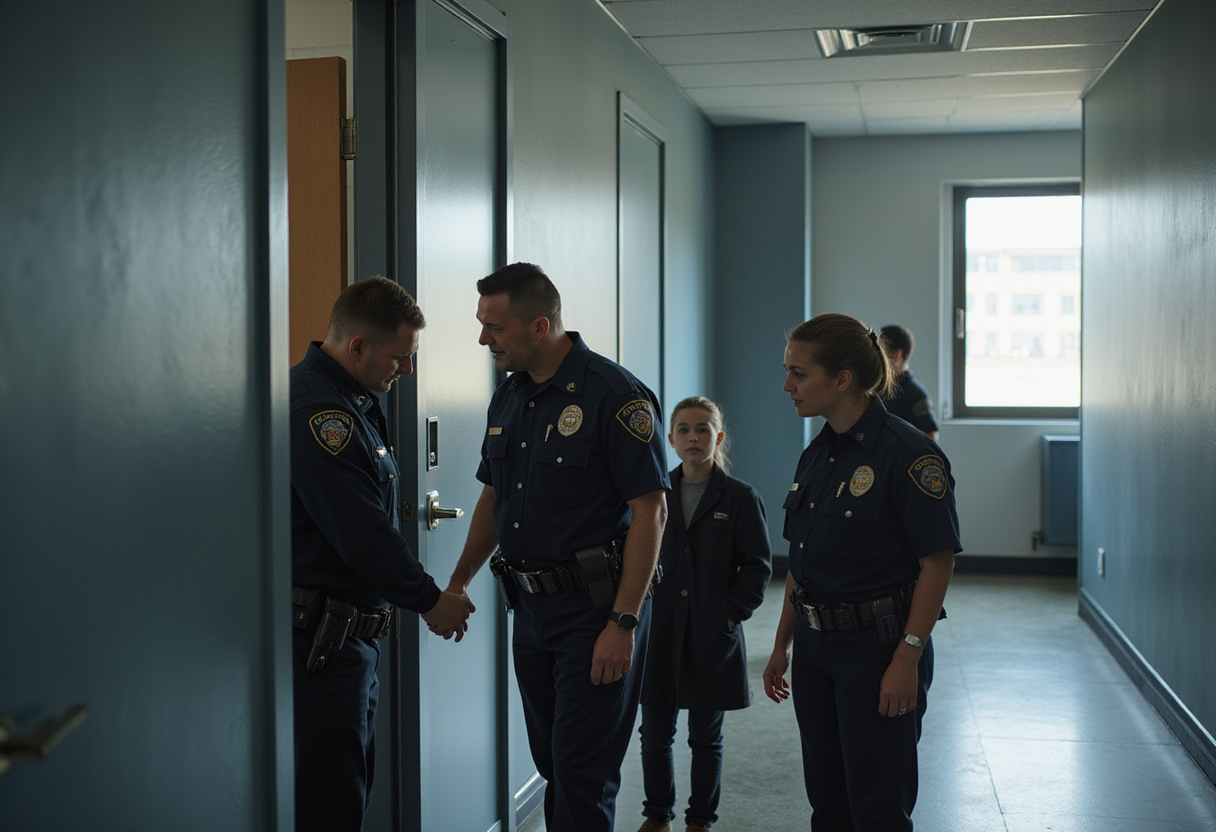
The strongest photograph of the contest cycle shows ICE officers separating a family. That single fact carries the story: in a year crowded with competing images of conflict, protest and disaster, the jury and the wider discourse circled back to one picture — officers of US Immigration and Customs Enforcement pulling apart a family — as the frame that came to define the world's leading photojournalism competition.
What makes the image commanding is its subject, not its circumstances. Family separation is among the most charged political facts of the American decade, and photographs of ICE operations are made under conditions that resist the photographer at every turn: restricted access, fast-moving enforcement actions, subjects who did not consent to becoming symbols. A picture that survives those conditions and still reads clearly — that shows the mechanics of separation rather than merely its aftermath — does work that few frames manage. It converts policy into visible human fact.
The photograph's dominance of the contest conversation matters for what it reveals about the state of photojournalism itself. Competition juries routinely reward images of open conflict; they reward spectacle, technical command under fire, the decisive instant. An image of bureaucratic violence — officers executing paperwork with a family in their hands — asks something different of both photographer and jury. It asks them to recognize cruelty that arrives in uniform, in daylight, with procedural calm, as equal in gravity to anything on a battlefield.
It also asks something of the audience. Pictures of family separation force viewers who might scroll past distant war to confront violence enacted in their name, in their country, by named agencies of their government. That is precisely the function photojournalism claims for itself at its most ambitious: not to surprise but to make denial harder. A contest that crowns such an image affirms that claim in a year when the credibility of the witnessed document has been under sustained pressure.
There is a critical question worth sitting with, and honest coverage of the award should not dodge it. When a single frame becomes the emblem of an entire competition — and, by extension, of a year in photography — the frame absorbs meanings the photographer may never have intended. The family in the picture does not choose to be an emblem. The officers do not choose to be archetypes. The history of photojournalism is littered with images whose prize-winning afterlives flattened the people inside them into arguments. The best such photographs survive that flattening; the worst are consumed by it. Time will tell which this one becomes.
What the award demonstrates already, though, is where the strongest currents in the field are flowing. The photographs that now define contests are less often images of combat than images of state power acting on the vulnerable: borders, detentions, deportations, separations. The camera has moved from the front line to the front door. For photographers, that shift rewards patience, access negotiation and moral clarity over shutter speed. For institutions, it demands juries willing to reward work whose urgency is political rather than visual alone.
The picture's afterlife has only begun. As the award circulates it through newspapers, galleries and classrooms, it will shape how a generation of photographers approaches the subject of migration enforcement — and how audiences expect that subject to look. On the evidence of this contest cycle, the separation of families by state agents will remain photography's central American subject for years to come.
Key points
- A photograph showing ICE officers separating a family became the defining image of the world's best photojournalism contest.
- The image's dominance signals a shift in contest photography from combat imagery toward images of state power acting on the vulnerable.
- The picture converts the political fact of family separation into a visible human document.
Source: Google News: World Press Photo
James Calloway
Show full bio
Market editor covering industry trends and analytics at Lens Gazette.