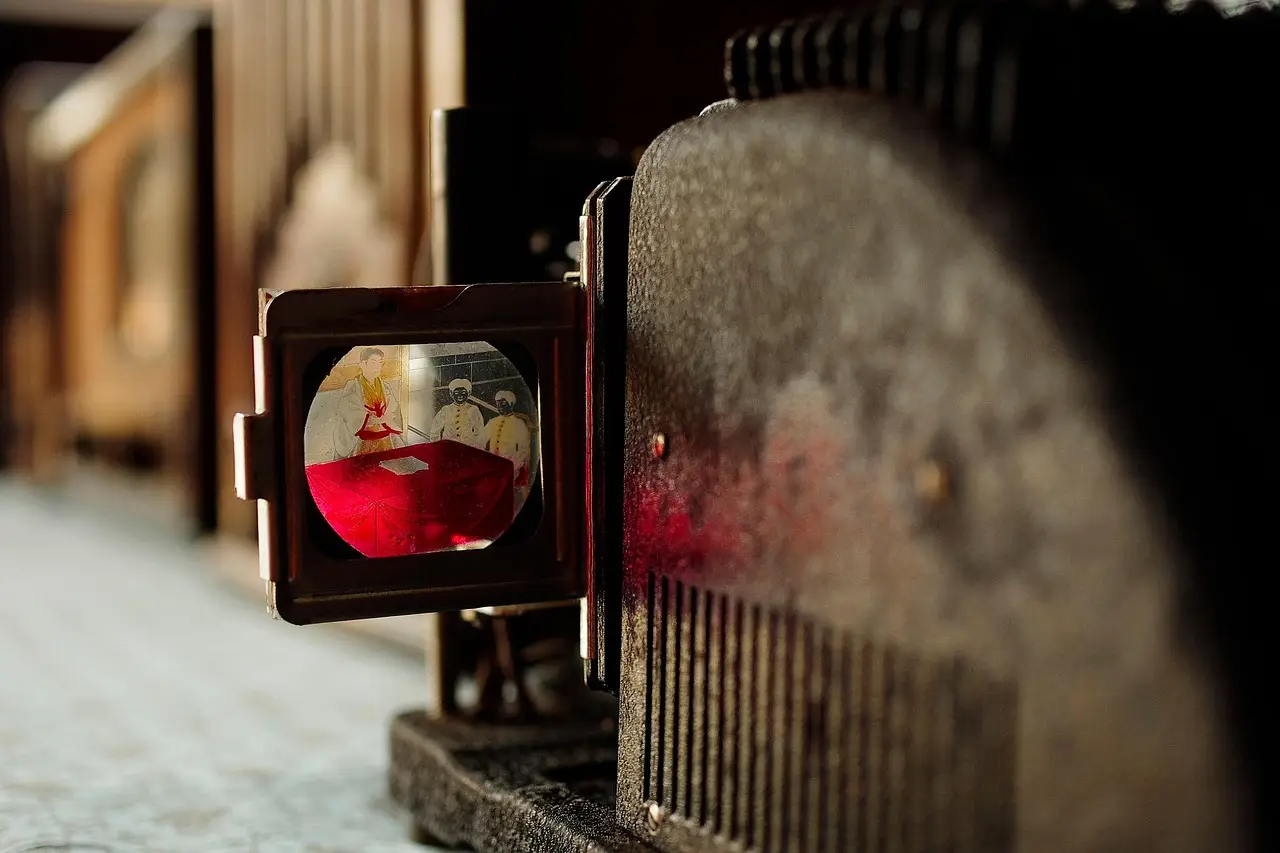
Keribar’s Korean War photographs open at Seoul memorial museum
İzzet Keribar’s 1956 photographs of military life, children and postwar reconstruction opened at Seoul’s Korean War Memorial Museum in a Türkiye-organized exhibition.
Marcus Bennett
The Korean War Memorial Museum in Seoul has opened “The Birth of a Friendship: Korea 70 Years Ago Through the Lens of a Turkish Photographer,” an exhibition of İzzet Keribar’s photographs made during a year-long military posting in South Korea in 1956.
Organised by Türkiye’s Directorate of Communications, the show brought together Keribar, Türkiye’s first lady Emine Erdoğan and Kim Hea Kyung, wife of South Korean president Lee Jae Myung. An opening photograph records Keribar posing with Erdoğan and Kim.
What does this change for Korea’s public memory?
The practical change is access: photographs Keribar has preserved for seven decades now enter a public museum where visitors can encounter them as evidence of military presence, civilian experience and reconstruction. Placed in a Korean War memorial, the pictures connect Turkey’s place in that history with the ordinary Koreans Keribar saw.
Rather than survey a mature career, the exhibition concentrates on an early body of work made by a 20-year-old reserve officer who also served as an interpreter. That combination gives the pictures documentary force. They record children, daily routines and destroyed urban spaces while retaining the military context in which Keribar served.
Keribar arrived in South Korea in 1956 to complete his military service. He was 20 and served with the Turkish Army’s 7th Brigade. Assigned as an interpreter, he spent a year in the country.
The Korean War had ended in 1953, yet Keribar encountered destroyed cities, civilians struggling under difficult conditions and people trying to rebuild their lives. He photographed military life alongside ordinary Koreans, villages, children in the streets and postwar reconstruction.
Kim singled out a photograph showing Turkish soldiers reaching out from a train window toward a young Korean boy extending his hand. Whether their hands ever met remains unclear, she said. What endured, she added, was the excitement and affection caught in the moment.
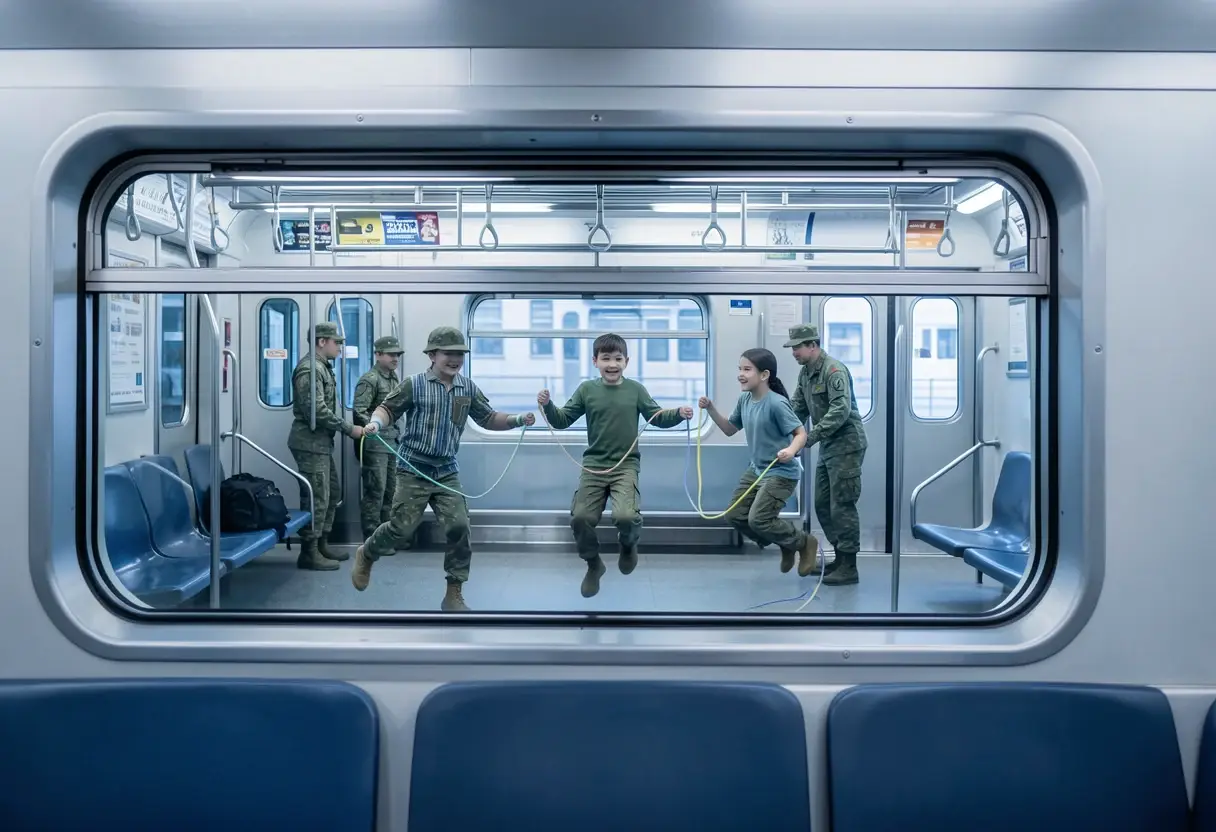
Kim also recalled pictures of young girls playing jump rope and boys praying together around a table. She said the children Keribar had depicted grew up without forgetting the Turkish soldiers who stood by them during one of the most difficult periods in their country’s history.
She thanked Keribar for documenting and carefully preserving the images for seven decades. Kim had earlier fondly remembered the hospitality and warmth Emine Erdoğan showed during her visit to Ankara the previous year. At the Seoul opening, she welcomed Erdoğan and spoke of continuing to strengthen friendship between the two nations.
Kim said the sacrifices made by Turkish soldiers during the Korean War remained vivid in Korean memories. She also recalled the solidarity shown by South Koreans after the devastating earthquakes in Türkiye on Feb. 6, 2023. For her, the relationship was a bond of brotherhood rooted in shared history and mutual support.
Keribar called the opening one of the most meaningful and emotional days of his life. He paid tribute to Turkish soldiers who died fighting for Korea’s freedom and independence, and to South Korean soldiers and civilians who endured the war’s hardships.
He said the joint struggle created more than military solidarity, establishing a lasting bond of brotherhood. He described the photographs as historical documents bearing witness to a shared past, human solidarity and the value of peace. Keribar thanked the institutions and individuals behind the exhibition.
Keribar also described South Korea’s transformation from a war-torn country into one of the world’s most developed nations, crediting the Korean people’s determination, hard work and dedication. Seventy years had passed, he said, and both Korea and the world had changed, yet the friendship between the Turkish and Korean peoples and the memories preserved in his photographs remained unchanged.
His final appeal was explicit: “Long live Türkiye-Korea friendship.”
Now installed at the Korean War Memorial Museum, the photographs can sustain a public account of sacrifice, solidarity and peace built around the Turkish-Korean relationship. Keribar’s forecast remains simple: that friendship should continue forever.
Key points
- “The Birth of a Friendship: Korea 70 Years Ago Through the Lens of a Turkish Photographer” opened at the Korean War Memorial Museum in Seoul.
- Keribar was 20 and served one year in South Korea with the Turkish Army’s 7th Brigade as an interpreter.
- He arrived in 1956, after the Korean War ended in 1953, and photographed military life, civilians and reconstruction.
- Kim cited South Korean solidarity following the Feb. 6, 2023 earthquakes in Türkiye.
Source: Google News: photography exhibition
Marcus Bennett
Show full bio
Correspondent covering companies, deals and strategy in Photography exhibitions, photographers, photo books, festivals and awards at Lens Gazette.