Natalie White's Giant Polaroids Cast Strange Magick at Phillips LA
Natalie White debuts 15 unique double-exposure Polaroids at Phillips LA, shot on one of the world's few 20x24 cameras with film expired two decades ago.
Fifteen unique large-format Polaroids — shot on a 20x24 Polaroid Land Camera in a Massachusetts barn using film that expired nearly two decades ago — just went on view in Natalie White: Strange Magick, a selling exhibition at Phillips Los Angeles. That sentence contains three improbabilities, and the work thrives on all of them.
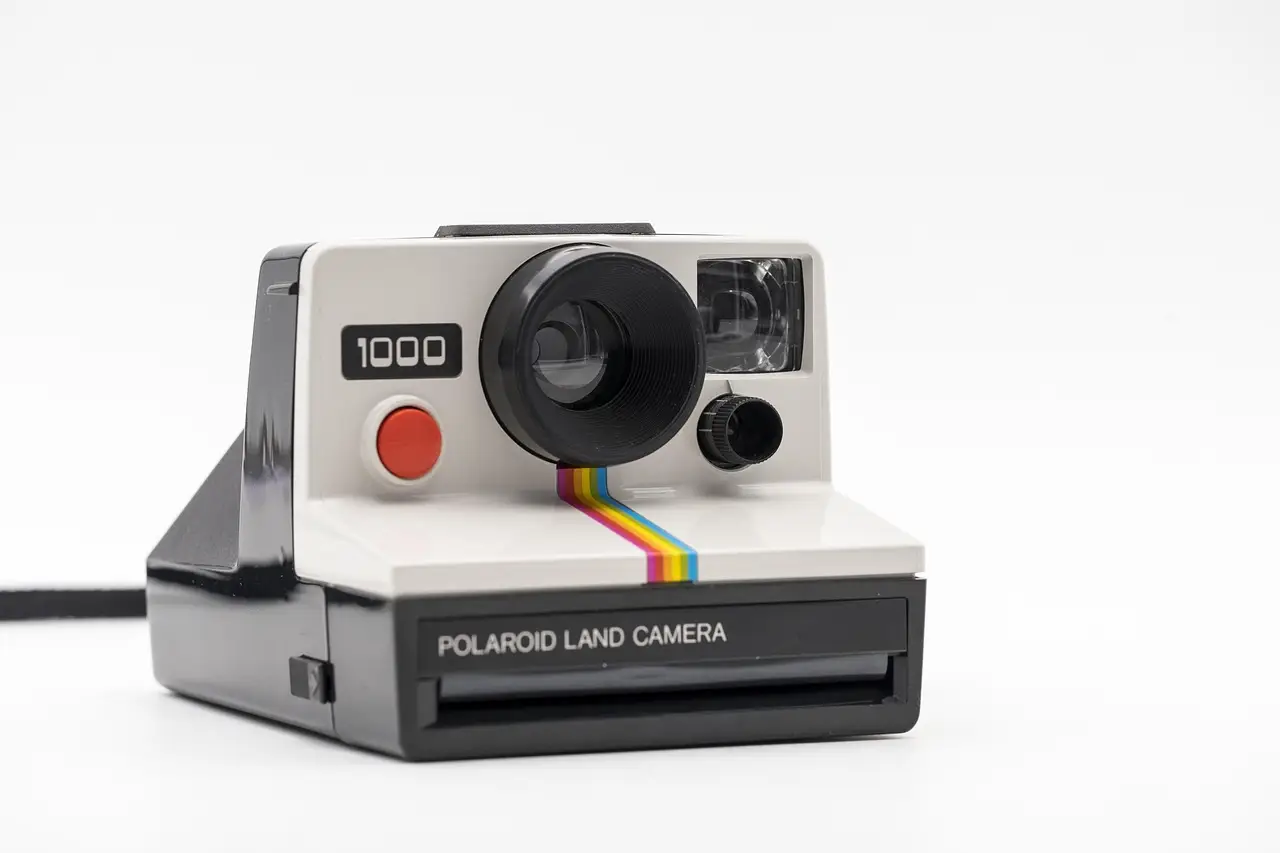
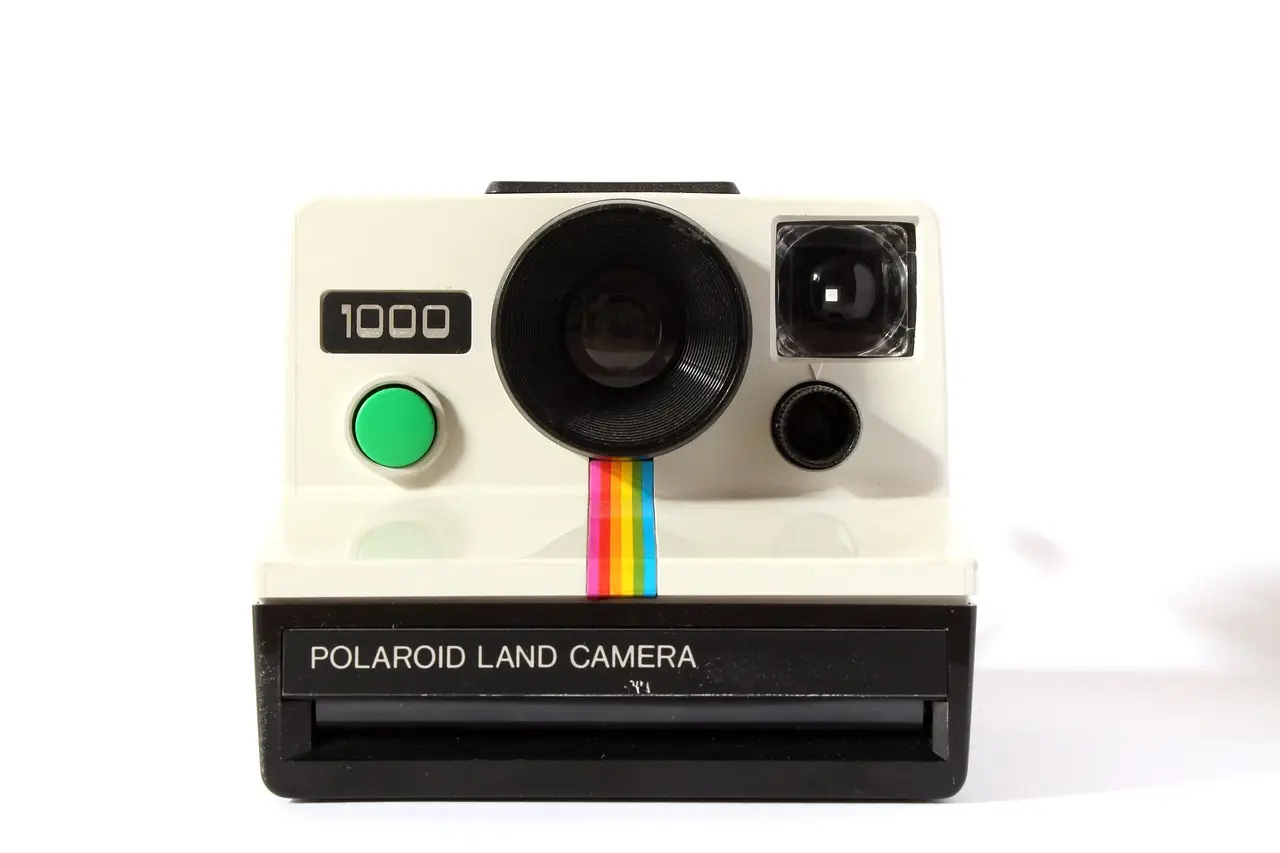
The camera itself is the story's quiet protagonist. The 20x24, sometimes called the Giant Polaroid, exists in only a handful of examples worldwide; the one White shoots with lives in a weathered barn off a winding road in Whately, Franklin County, reached, per the artist's directions, by heading around back. Inside sits the massive apparatus and a rapidly dwindling stock of Polaroid film roughly 20 years past its expiration date. Every sheet pulled from that cache is, functionally, an artifact on loan from a discontinued world.
Who is Natalie White?
White began as a muse and model before turning to the other side of the lens, and she now works simultaneously as a photographer, performance artist and feminist activist. Strange Magick, her debut at the auction house's Los Angeles space, presents 15 unique large-format Polaroids — colorful, dreamy, close-up self-portraits with a distinctly otherworldly cast.
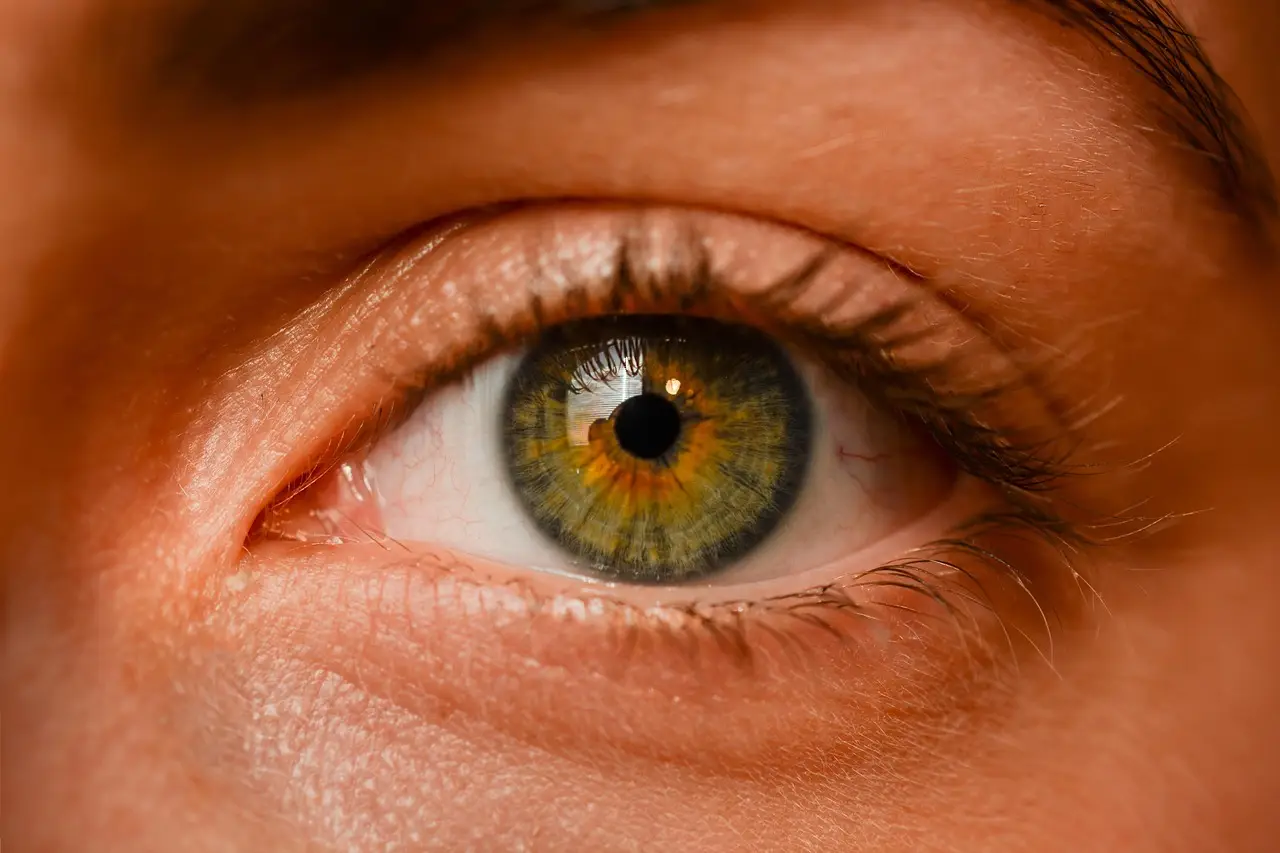
Each image is a double exposure, and the method is almost comically simple. White pushes the shutter, leaves the film in the camera, takes a second shot, and hopes for the best. The result: ghostly overlays of her hands and fingers drifting across her own face, a self-portrait doubled and haunted by itself.
"We're giving all control to the negative," White told Hyperallergic. "We always joke that there's a little magical man painting inside the camera who decides what the double exposure is going to look like."
Why does expired film matter here?
Because it's the whole wager. The 20x24 format was always a boutique proposition — immense instant negatives, no do-overs, chemistry doing what chemistry does. Add stock that's been aging for two decades and the process stops being a technical exercise and becomes a negotiation. The artist supplies the face and the gesture; the material supplies the outcome, unbidden. Titles like "You Should've Seen it in Color" (2024) suggest White knows exactly what she's courting.
It's a deliberate inversion of the model-photographer relationship she came up in. The woman who was once the subject of others' cameras now controls the entire apparatus — except the part she cheerfully concedes to the negative, the "little magical man," and chemistry no one can reorder. As feminist performance practice, surrendering control on one's own terms is a sharper gesture than commanding it.
The institutional context matters too. Phillips staging a selling exhibition of unique instant prints signals that the Giant Polaroid lineage — once the preserve of a small circle of invited sitters and specialist operators — is being absorbed into the contemporary market rather than preserved as a curio. Whether that absorption flatters the work or merely prices it remains the open question a selling exhibition always raises.
For now, the arithmetic is stark: 15 prints, a few working cameras, and a film supply that shrinks with every pull. Each exposure in Strange Magick is one fewer possibility left in the barn in Whately. When the last expired sheet runs out, this body of work won't just end — it will become technically unrepeatable, which is precisely the kind of scarcity the art world knows how to notice.
Key points
- Natalie White's Strange Magick selling exhibition at Phillips Los Angeles features 15 unique large-format Polaroids.
- The works were shot on one of the world's only 20x24 Polaroid Land Cameras, housed in a barn in Whately, Massachusetts.
- The film stock is nearly 20 years past its expiration date and rapidly dwindling.
- Each image is a double exposure, made by leaving the film in the camera and taking a second shot.
Source: hyperallergic.com
Olivia Hart
Show full bio
Staff writer covering people, launches and day-to-day practice in Photography exhibitions, photographers, photo books, festivals and awards at Lens Gazette.