Mandler 50mm f/1.4 Review: Leica Character, Modern Limits
The $389 Mandler 50mm f/1.4 mimics a Leica Summilux in the hand, but wide-open softness, flare and chromatic aberration make its vintage rendering a deliberate choice.
By Daniel Okafor
The Mandler 50mm f/1.4 Pre-A costs $389 in aluminium. The reviewer found it almost indistinguishable from costlier Leica M lenses in the hand, and its spherical optics supported the M11’s 60-megapixel resolution.
The report opens with $368, however, then names $389 for aluminium without explaining the difference. That discrepancy deserves attention before the praise starts.
Chinese M-mount makers have proliferated to the point where the reviewer felt overwhelmed, but the category remains fertile. The promise is specific: vintage rendering need not require compromised sharpness.
“For my money, Mandler has struck a pleasant balance between a vintage look, classic bokeh, and a dreamy feel, while still delivering stunning contrast and sharpness when you need it.”
That praise comes with conditions, and the widest aperture exposes most of them. The design is aggressively derivative; the optics mix an old Leica formula with modern glass.
What does the lens copy, and what does it change?
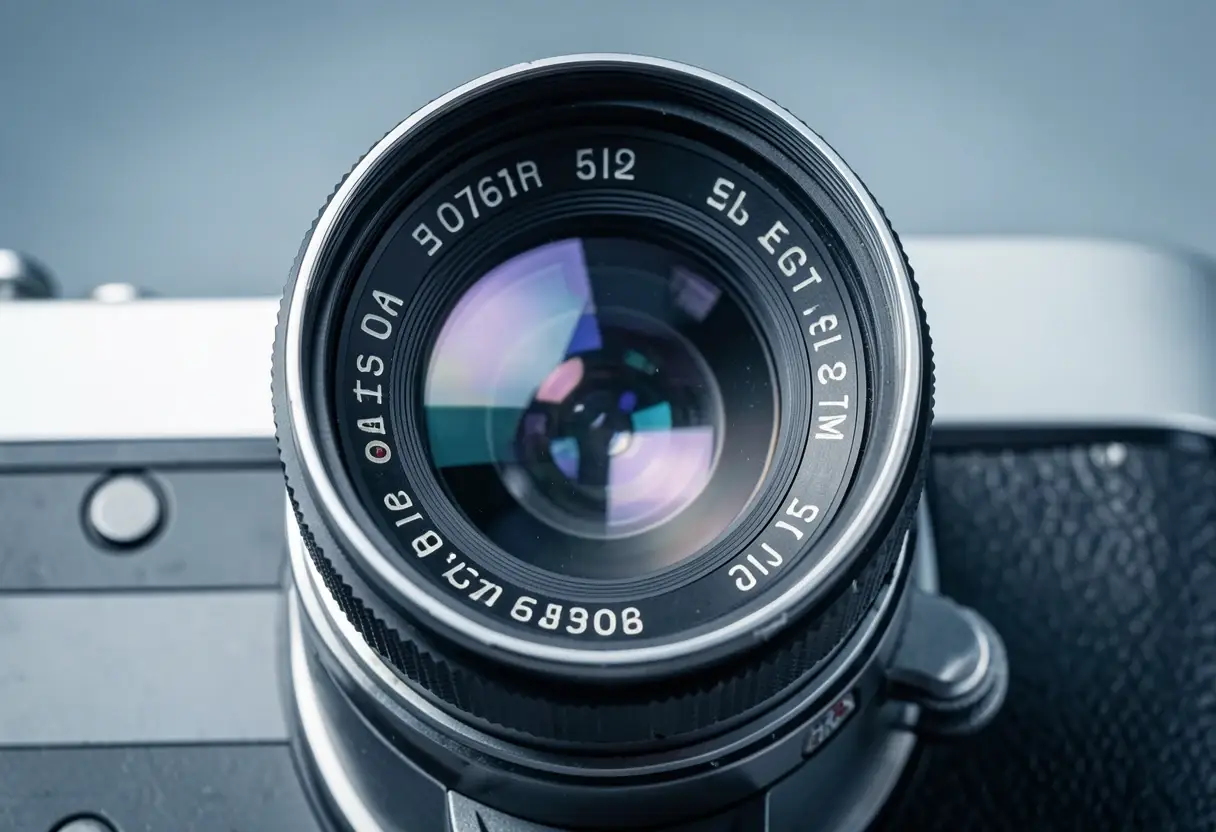
The exterior follows a modern Leica Summilux closely enough for the reviewer to call it a faithful clone: engraved lettering and fonts on the rings, plus control placement. Light Lens Lab and Mr Ding approach the Leica M appearance, but Mandler seemed the most committed to mimicry.
Operation follows suit. The aperture ring clicks in half-stop increments, and the manual-focus ring engaged perfectly with the Leica M11’s rangefinder coupling. Its fully circular design omits the protruding or scalloped focusing aid offered by some alternatives; some users will prefer the clean form, others will miss a grip.
Internally, however, the copy ends. The Pre-A pays homage to the pre-aspherical 50mm Summilux formula, but combines it with high-refractive-index and extra-low-dispersion glass. Mandler says these materials improve edge sharpness and reduce chromatic aberration; the fully spherical design keeps the centre sharp and supports the M11’s 60-megapixel resolution.
How does the focus ring behave?
Mandler offers a black-painted aluminium body weighing 10.2 ounces (290g), or a chromed classic-grey brass body at 13.6 ounces (385g). Both feel solidly machined, and their built-in hoods extend with a satisfying suction. The aluminium model should attract most buyers; the brass version carries more mass and an overtly classic look.
The lens focuses as close as 0.5 metres. The caveat is tactile: although rangefinder coupling works, the ring gives no warning when the user passes the 0.7-metre minimum threshold. That absent cue, alongside the clean ring’s lack of lugs or knobs, leaves part of the shooting experience to sight and judgement.
Neither version carries 6-bit coding at the factory, but Mandler cuts the mount so users can add the data for EXIF records and lens corrections. It is a DIY route to electronic integration, not an out-of-box feature.
What changes at f/1.4?
At f/1.4, contrast falls and the rendering turns dreamy. Corners remain quite blurry, so important subjects should sit nearer the centre. Stop down and that atmosphere recedes quickly: the image becomes distinctly modern, including at the edges, with good sharpness across most apertures.
Some longitudinal chromatic aberration appears at f/1.4, but the reviewer did not find it harsh or overly noticeable. Flare remained acceptable, with veiled flare crossing the frame at the widest aperture.
Purple ghosting can spread across the frame at tighter apertures; at f/1.4 it tends to appear smaller but more vivid. The extending hood makes a substantial difference when oblique light hits the front element.
Does the bokeh earn the compromises?
The wide-open bokeh does not recede politely. At f/1.4, specular highlights swirl and pull attention towards the middle. Closing the aperture produces a fairly strong polygonal shape, while backgrounds can look harsh and out-of-focus areas stand out against the subject.
The reviewer did not find that look unpleasant, but it demands attention rather than quietly isolating a face. “Yes. The Mandler 50mm f/1.4 Pre-A does not feel cheap, and the optics strike a nice balance between vintage and modern.” That verdict fits the evidence, provided the photographer accepts flare, colour fringing and a wide-open centre bias.
Where does it sit among M-mount alternatives?
The comparison set matters because each lens resolves the tension between vintage character and modern correction differently:
- The Thypoch Simera 50mm f/1.4 is larger and more pedestrian in appearance, but the reviewer praises its handling. Its aspherical design makes it sharper and cleaner-looking, with better correction of flare and longitudinal chromatic aberration.
- Light Lens Lab calls its 50mm f/1.5 Z21 gorgeous and uses it to recreate a rare Angenieux lens. Dreamy focus and vintage handling define the result, but the price is relatively high.
- The Zeiss ZM 50mm f/1.5 Sonnar takes a similar path to the Mandler: softer at f/1.5, then fairly modern as the aperture closes. Its distinct rendering carries premium pricing.
Does the price change the verdict?
At $389 for aluminium, and $368 in the report’s opening figure, the Mandler is inexpensive beside the Leica body on which the reviewer mounted it. The reviewer used the lens, called its operation flawless, and found that both its feel in the hand and its results on screen seemed worth more than the price. It felt mounted to a far more expensive Leica camera.
That is not a blanket endorsement. Thypoch’s Simera offers the cleaner, sharper and better-corrected route. Light Lens Lab pursues rarer Angenieux-inspired character at higher cost, while Zeiss offers a different soft-at-wide-open rendering for a premium price. Mandler occupies the middle: convincing Leica mimicry, classic bokeh and modern sharpness, with vintage artefacts left visible.
With Chinese M-mount makers multiplying around the Leica M11’s 60-megapixel capability, the Mandler points towards a market split between lenses that suppress every artefact and lenses that turn vintage behaviour into a deliberate signature.
Key points
- Aluminium version: $389; the review also gives $368 without reconciling the figures.
- Weights: 290g for aluminium and 385g for brass.
- Minimum focus: 0.5m, with no tactile cue at the 0.7m rangefinder-coupling threshold.
- Fully spherical optics support the Leica M11’s 60-megapixel resolution.
- Mount cutouts allow users to add 6-bit coding for EXIF data and lens corrections.
Original: mandler.shop
Daniel Okafor
Show full bio
News editor covering companies, deals and strategy in Photography exhibitions, photographers, photo books, festivals and awards at Lens Gazette.