London Museum's £437m Smithfield revamp ran £100m over budget
London Museum opens at Smithfield's Victorian General Market on 28 November with Pankhurst's hunger strike medal, the Cheapside Hoard and a sewer fatberg, at a £437m cost.
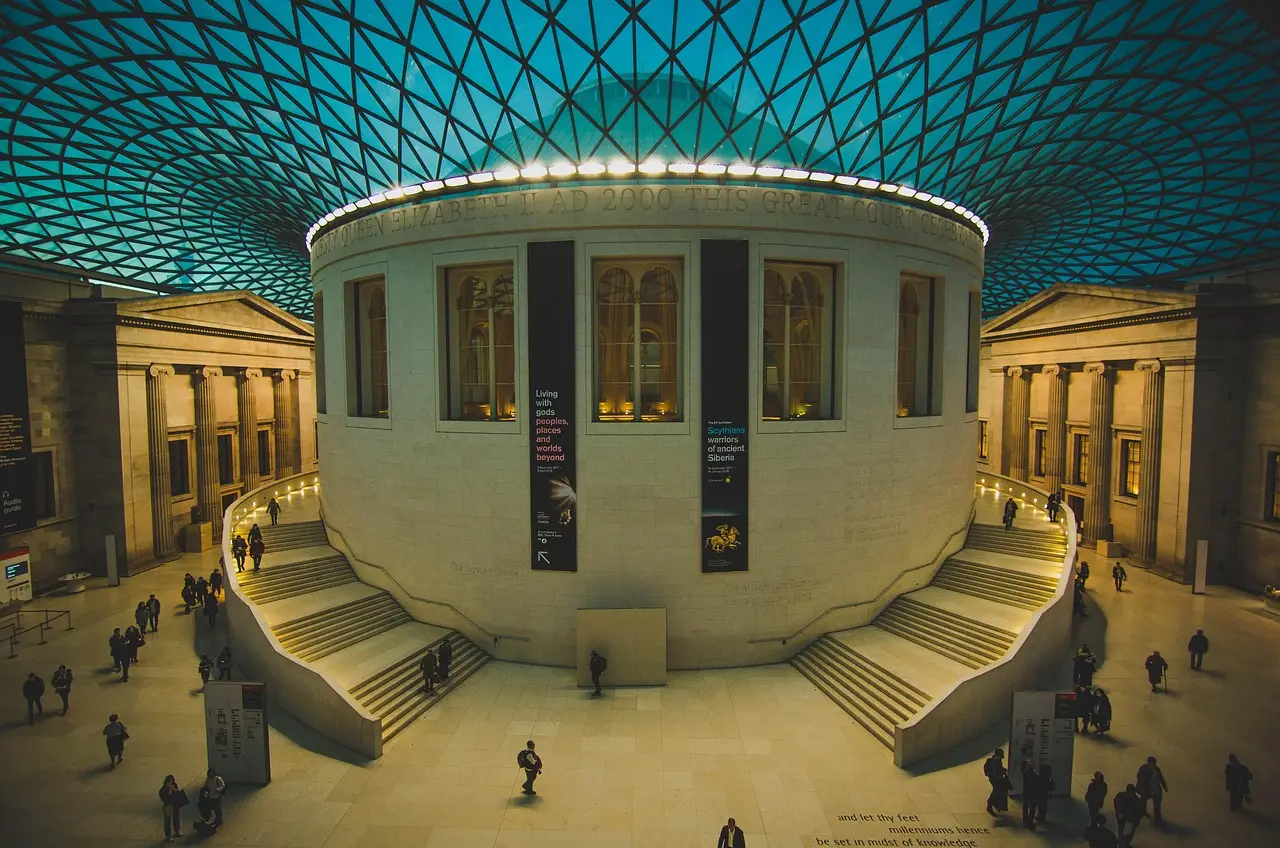
London Museum opens the doors of its new Smithfield Market home to the public on 28 November, capping one of the biggest museum developments in the UK capital in recent years at a final cost of £437m — £100m above the £337m budget set in 2019.
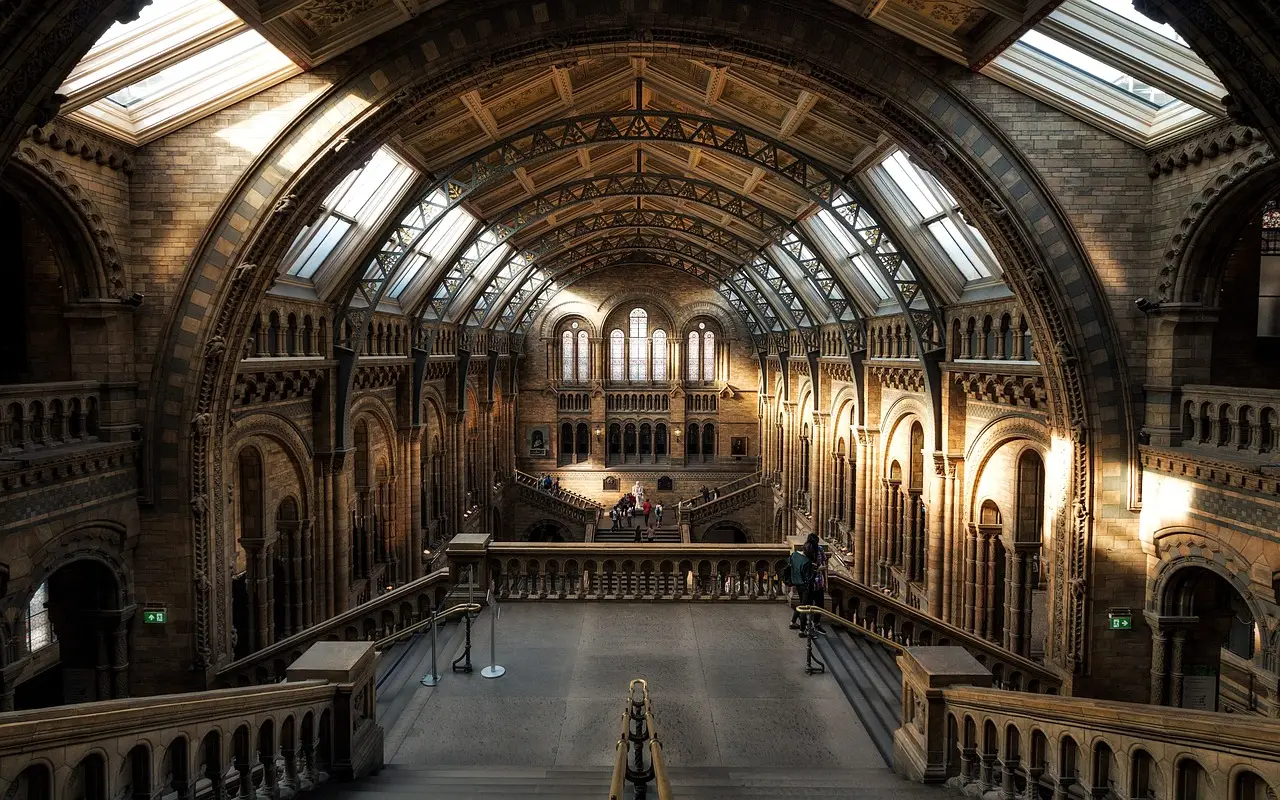
The museum, previously the Museum of London at London Wall near the Barbican Centre until it closed in December 2022, has taken over the derelict Victorian General Market in Farringdon, a structure dating from the 1880s. Stanton Williams and Asif Khan designed the complex in partnership with conservation architects Julian Harrap, and the project ranks among Europe's largest cultural infrastructure builds.
The permanent galleries will hold some of the institution's best-known objects. Ament's headline pieces include the Cheapside Hoard of Elizabethan and Jacobean jewels, Suffragette Emmeline Pankhurst's medal commemorating her 1912 hunger strike, Roman writing tablets, and a sample of the fatberg — a 250-metre mass of oil and wet wipes excavated from London's sewers.
What can visitors actually see?
The museum is using time as an organising principle, so each major space behaves differently with its own emphasis and character, director Sharon Ament says. The General Market houses three sections: Past Time, Our Time and Night Time. Past Time spans 2,000 years and tells the story of London through landmark events including the Great Fire of 1666 and the 2012 Olympics.
The opening is phased. The Victorian General Market opens on 28 November; the 1960s Poultry Market, home to a learning centre, temporary exhibition spaces and an on-site interactive collection store, follows in 2028.
"We have two significant but very contrasting buildings in the Victorian General Market and the listed 1960s Poultry Market, representing different moments in London's history," Ament says. "We think about them as two of the biggest objects in our collection and they lend themselves to different experiences."
The pigeon that made the brand famous
The institution caused a stir in 2024 when it unveiled a rebrand centred on the image of a defecating pigeon. Ament stands by it. "It's not often a museum brand gets into the news," she says. "I think that's because people saw, in our pigeon, the city and their experience: a place full of contrasts. It's beautiful, it's fun, it's also a bit scruffy! I don't think there's a better representation of us than a pigeon."
Who paid, and how will it run?
Funding breaks down as follows:
- The City of London Corporation contributes £222m
- The Greater London Authority, under mayor Sadiq Khan, has given £95m
- Private backers include Bloomberg Philanthropies, the Goldsmiths' Foundation, the Linbury Trust and the National Lottery Heritage Fund
Statutory running costs come from the City of London Corporation and the Mayor of London. But Ament wants the museum to stand on its own feet more, through retail, ticket sales, a membership scheme she calls the "fan club", venue hire and commercial partnerships. The museum is also leasing spaces known as "Houses" around the perimeter of the General Market — "so now we are landlords as well," she says. Solar panels and smart technology are meant to keep the sites sustainable.
Is it just for Londoners?
Ament says the city's residents will discover new stories from London's history and be part of telling its story today, while international visitors will find "this is a great first place to start their immersion in London". The museum targets more than two million visitors annually — an ambitious figure for a site that opens in phases.
The curatorial team numbers 18, backed by an academic advisory panel and what the museum says is roughly 100,000 people from London and beyond who helped shape it — focus groups, community and school groups, and panels including the museum's Access Panel and Family Panel.
What does this change for London's museum landscape? For the first time in a decade, the capital has a purpose-redeveloped flagship dedicated to its own history, with the second phase of the Smithfield complex set to complete the picture in 2028.
Key points
- London Museum opens its Smithfield home on 28 November; the 1960s Poultry Market phase follows in 2028
- Total cost has reached £437m, up from a £337m budget set in 2019
- City of London Corporation contributes £222m; the GLA under Sadiq Khan has given £95m
- Objects include the Cheapside Hoard, Pankhurst's 1912 hunger strike medal and a 250-metre fatberg sample
- The museum targets more than two million annual visitors
Source: theartnewspaper.com
Marcus Bennett
Show full bio
Correspondent covering companies, deals and strategy in Photography exhibitions, photographers, photo books, festivals and awards at Lens Gazette.