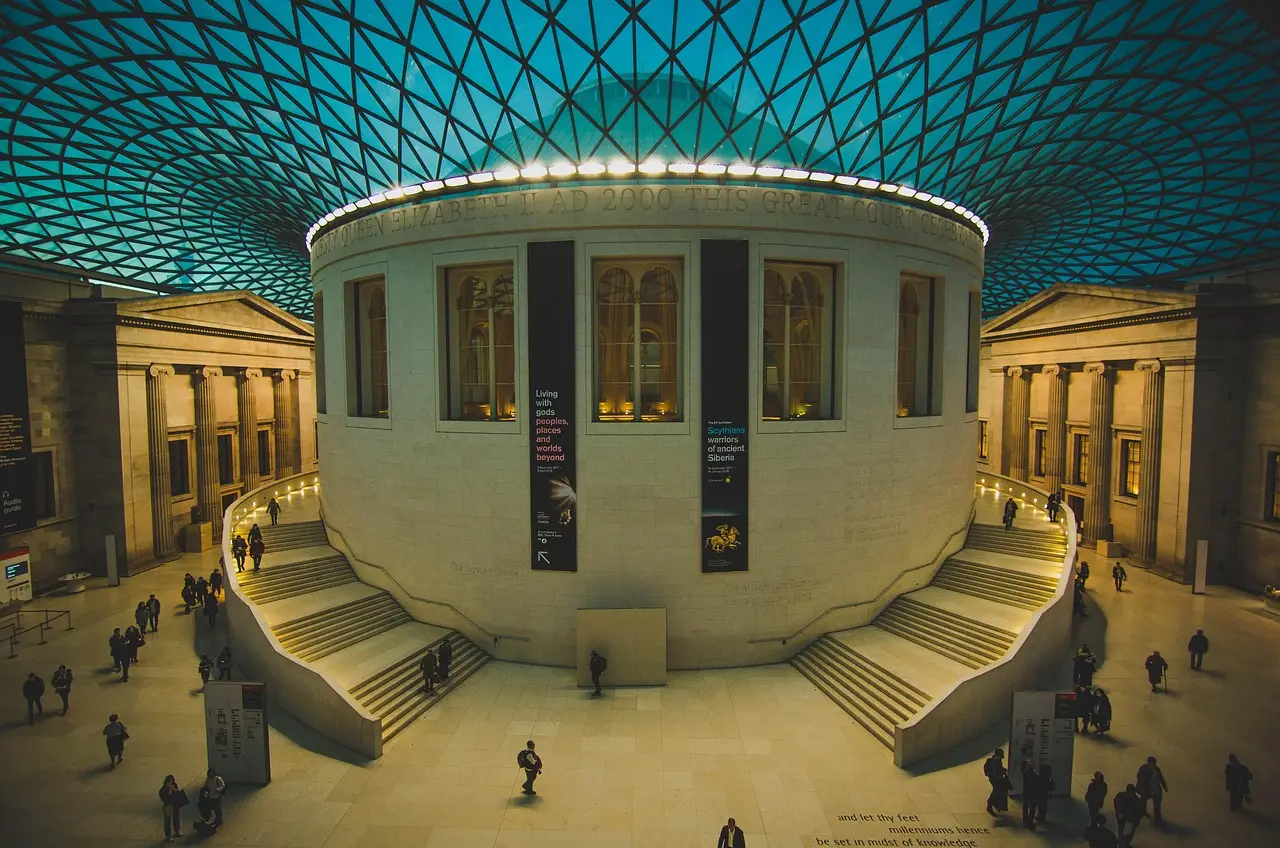
London Museum opens 28 November as podcast selects Neolithic axehead
The podcast marks the London Museum’s 28 November opening with a 4000–3500 BCE jadeite axehead, Nan Goldin at the Hayward and a study of discrimination against art-world mothers.
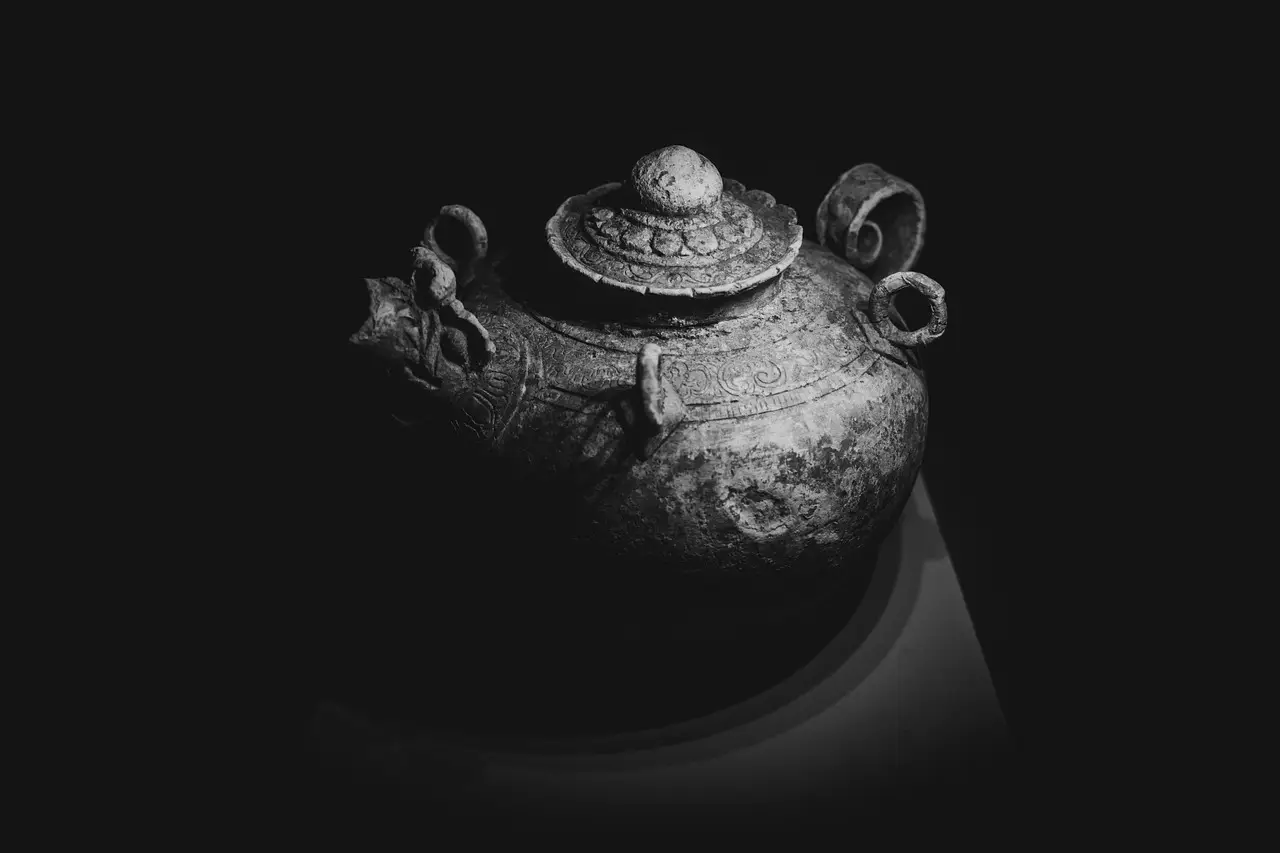
The London Museum opens the first phase of its new site on Saturday, 28 November, at the historic General Market in Smithfield, in the heart of the City of London. The episode’s “Work of the Week” focuses on a polished Neolithic jadeite axehead dated 4000–3500 BCE, one of thousands of exhibits in the museum.
Digital editor Alexander Morrison discusses the axehead with Kate Sumnall, the museum’s Curator of Archaeology. That pairing gives the opening a concrete object through which to consider the renamed institution’s first public phase, rather than presenting the site and its thousands of exhibits only as a collective announcement.
What does the London Museum opening establish?
The venue was formally the Museum of London, and the new London Museum places its first phase inside the General Market. The name and site therefore change together, although the announcement gives no gallery plan, installation details, or confirmation of the axehead’s display status on opening day.
Choosing one polished stone object for “Work of the Week” also sets the archaeological terms of the launch. The jadeite, its 4000–3500 BCE date and its axehead form provide specifics, while the announcement gives no findspot, condition history, manufacturing account or use context.
What does Nan Goldin’s Hayward Gallery show bring forward?
Nan Goldin’s “You Never Did Anything Wrong” brings new and recent work to the Hayward Gallery in London through 14 March 2027. Rachel Thomas curates the exhibition, and Ben Luke talks with her about the show.
The wording matters for photographers because it identifies new and recent work without naming a single series. No individual photographs or additional series appear in the announcement, so readers cannot yet judge the selection, sequence or scale; those details require the gallery’s own materials and installation.
Placing the exhibition under Thomas’s curatorship makes the interpretive responsibility explicit before visitors encounter the photographs. Luke’s conversation moves the focus from the mere fact of new pictures to the decisions through which they become a public exhibition. The announcement provides no further thesis, artist statement, image list or curatorial quotation.
Neither the title nor the dates tell visitors which prints they will encounter or how the room will sequence them. For working photographers, that distinction is useful: an exhibition can extend a practice, but each image still has to make its formal and narrative claims in the gallery rather than through curatorial description.
What does the motherhood study mean for art-world practice?
A study published last week by the European Journal of Cultural Study and the Art Working Parents Alliance examines motherhood and discrimination in London’s commercial art world. It describes a workplace culture in which “mothering children often comes at considerable professional cost.” That sentence identifies a professional penalty, not merely a difference in workplace experience.
Contributing editor Anny Shaw speaks with the report’s authors, Kate McMillan and Cleo Roberts-Komireddi, for The Art Newspaper. Their interview puts the finding in the hands of the people who authored the research, rather than leaving the claim as an institutional summary.
The announcement does not supply a sample size, percentage, survey method, workplace list or policy proposal. That absence limits how far the finding can be generalised, but it does not make the reported cost less consequential for people already negotiating that culture.
For practitioners, the issue changes how inclusion should be measured. If the commercial art world treats care work as a source of disadvantage, broad statements about opportunity will require evidence about how mothers are treated once inside it. The report therefore sets a test for institutional language: whether equality claims account for the professional cost its authors identify.
The podcast’s decision to interview McMillan and Roberts-Komireddi also keeps authorship with those best placed to define the research. It cannot substitute for the full study’s methods, nor for workplace evidence that the announcement does not summarise. What it can do is put the term “discrimination” beside the report’s central finding and invite the sector to answer it.
Why pair an axehead with photography and workplace research?
The three subjects do not form an explicit thematic argument. One examines new photographs, one a study of working mothers, and one a Neolithic object; their connection lies in the episode’s method of placing named voices around cultural and workplace questions.
Morrison speaks with Sumnell, Luke with Thomas, and Shaw with McMillan and Roberts-Komireddi. In each exchange, an editor invites a curator or researcher to account for the work they interpret, rather than offering a detached verdict.
The format leaves limits visible. The announcement names Goldin’s exhibition but not its photographs, reports the study’s central finding but not its method, and dates the axehead without placing it in the opening galleries. It supplies names, dates and conversations for each subject, but does not replace the gallery visit, full report or museum display.
As Saturday, 28 November approaches, the London Museum will open its first phase to the public in Smithfield. The 4000–3500 BCE jadeite axehead gives that opening one precise archaeological reference, although the announcement does not confirm its installation.
Goldin’s Hayward exhibition continues until 14 March 2027. The report’s question will remain inside the commercial art world: what follows when the cost of motherhood is named rather than absorbed without scrutiny?
Key points
- The London Museum opens its first phase on Saturday, 28 November, at the General Market in Smithfield.
- Its “Work of the Week” object is a polished jadeite axehead dated 4000–3500 BCE.
- Nan Goldin’s “You Never Did Anything Wrong” runs at the Hayward Gallery until 14 March 2027.
- The European Journal of Cultural Study and the Art Working Parents Alliance published the motherhood study last week.
- Anny Shaw interviews authors Kate McMillan and Cleo Roberts-Komireddi about art-world discrimination.
Source: theartnewspaper.com
James Calloway
Show full bio
Market editor covering people, launches and day-to-day practice in Photography exhibitions, photographers, photo books, festivals and awards at Lens Gazette.