Glyph's New Card Readers Promise Speed — and Ask for Trust
Glyph's new Capture+ readers ship in November: a $150 CFexpress Type A USB4 model claiming 5,000 MB/s, and a $120 dual SD unit at 1,000 MB/s. November availability may slip.
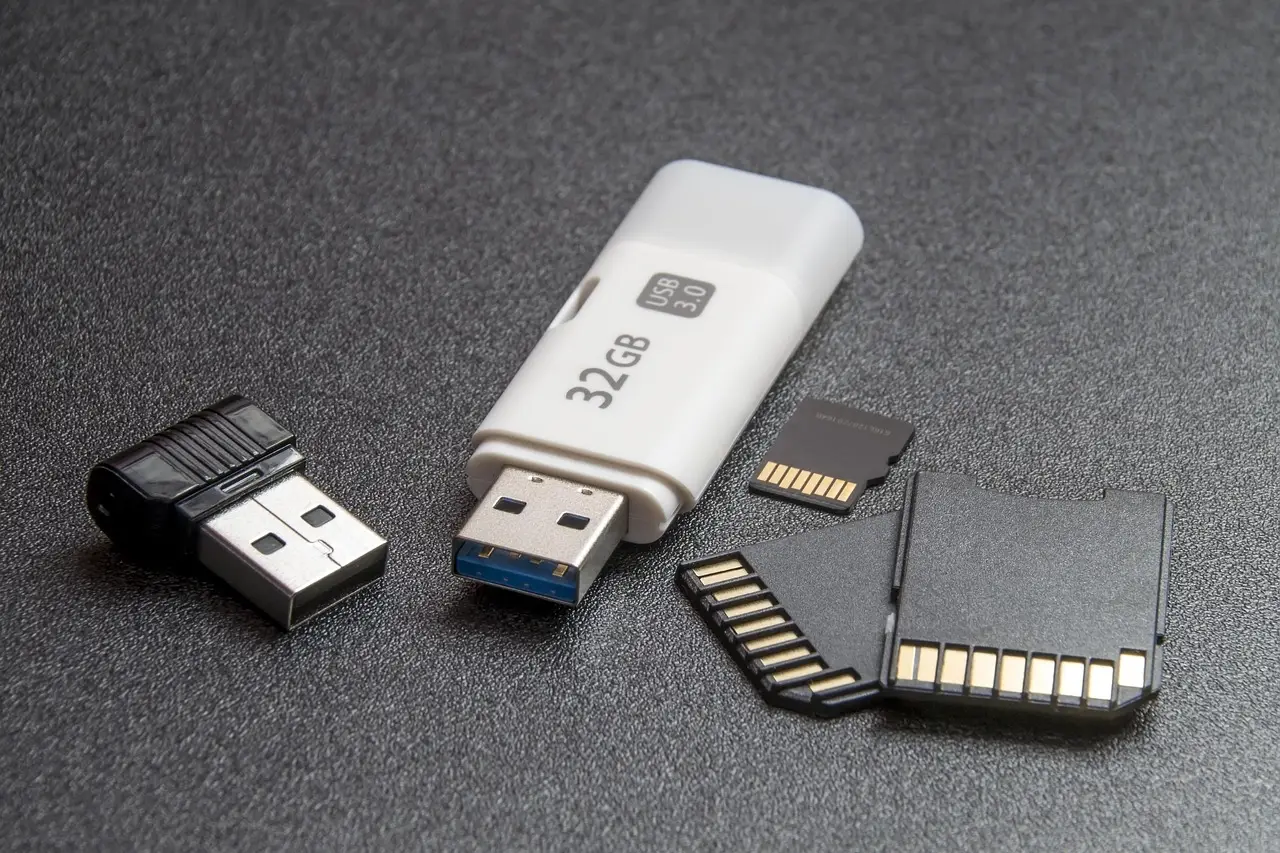
Glyph will ship two new card readers in November — the $150 Capture+ CFexpress Type A USB4 reader and the $120 Capture+ Dual SD reader — continuing a push into creator hardware that began earlier this year with new SSDs and a line of CFexpress memory cards. The claim is bold: transfer speeds of up to 5,000 MB/s on the Type A model, which Glyph says makes data ingest up to 3x faster than traditional readers. Up to is doing heavy lifting in that sentence, and Glyph offers no independent benchmarks to back it.
There's an irony worth naming. Glyph doesn't currently make SD cards or CFexpress Type A cards at all. It's building readers for media it doesn't sell, because — as the company itself frames it — Sony photographers represent a huge part of the market. That's a candid admission, and a commercial one. Sony's hybrid stills-and-video bodies standardized CFexpress Type A slots, and Glyph wants a seat at that ingest table even without its own cards in the format.
What does each reader actually do?
The Capture+ CFexpress Type A USB4 Memory Card Reader is the flagship of the pair. It connects over USB4 Type-C at 40Gbps, which is where the 5,000 MB/s ceiling comes from. Glyph positions this as next-generation offload efficiency for film, photography, and audio workflows. Whether real-world sustained transfers approach that figure depends on the card, the cable, and the host machine — none of which the announcement addresses.
The Capture+ Dual SD Memory Card Reader takes a different trade. It offers two SD slots and works as a dual-ingest device, so you can pull from two cards at once. The cost is bandwidth: it runs USB 3.2 Gen 2 at 10Gbps, topping out at 1,000 MB/s. In fairness, that ceiling is mostly theoretical pain. Current SD cards can't outrun that connection anyway, so the slower port is unlikely to bottleneck anyone's actual cards.
Both readers share the same construction: a solid aluminum shell with what Glyph calls an increased thermal ceiling, plus a protective soft composite bumper. They're compact and bus-powered, and the company says they fit into desktop and field setups across Mac and Windows environments. Field kits are brutal on small aluminum objects. A bumper helps; time will tell how much.
What is SteadyIO?
Glyph's marketing term, SteadyIO, turns out to mean fan-less thermal sinking — a passive heatsink design that pulls heat out of the reader without a moving fan. It's sensible engineering for silent, dust-tolerant gear, and aluminum shells make that easier. But it's a rebranding of an old idea, not a new technology, and readers working at USB4 speeds for long offloads are exactly where passive cooling gets stress-tested. No thermal figures appear in the announcement.
Pricing and availability — with a familiar caveat
The Dual SD reader retails for $120. The Type A reader costs $150 — the same price as Glyph's existing Type B reader, which at least suggests a coherent pricing strategy rather than format gouging. Both ship in November, direct from Glyph and through authorized resellers. The company itself warns availability may slip into December depending on demand. Given how often launch-month supply falls short in this category, that slip is less a possibility than a schedule.
The bigger question sits outside these two products. Glyph spent this year building out SSDs, CFexpress cards, and now readers — a full capture-to-archive pipeline in miniature. If the readers deliver their claimed speeds in independent testing, the Type A model at $150 becomes an easy recommendation for Sony shooters drowning in footage. Until someone outside Glyph runs those numbers, the 3x-faster claim stays exactly that: a claim. Expect the first third-party benchmarks to land shortly after the November shipments begin, and they — not the spec sheet — will decide whether this expansion sticks.
Key points
- Glyph's Capture+ CFexpress Type A USB4 reader costs $150 and claims transfer speeds up to 5,000 MB/s over a 40Gbps connection
- The Capture+ Dual SD reader costs $120 and runs at up to 1,000 MB/s over USB 3.2 Gen 2
- Both readers ship in November, though Glyph warns availability may slip to December
- Glyph makes no SD or CFexpress Type A cards itself; the readers target Sony photographers
- The Type A reader matches the $150 price of Glyph's existing Type B reader
Original: glyphtech.com
Daniel Okafor
Show full bio
News editor covering companies, deals and strategy in Photography exhibitions, photographers, photo books, festivals and awards at Lens Gazette.