Text as Structure: How Photobooks Turn Words into Architecture
Lenscratch's Book Talk argues that text in photobooks is a structural decision — one that governs rhythm, pacing and meaning across a sequence of images.
Updated
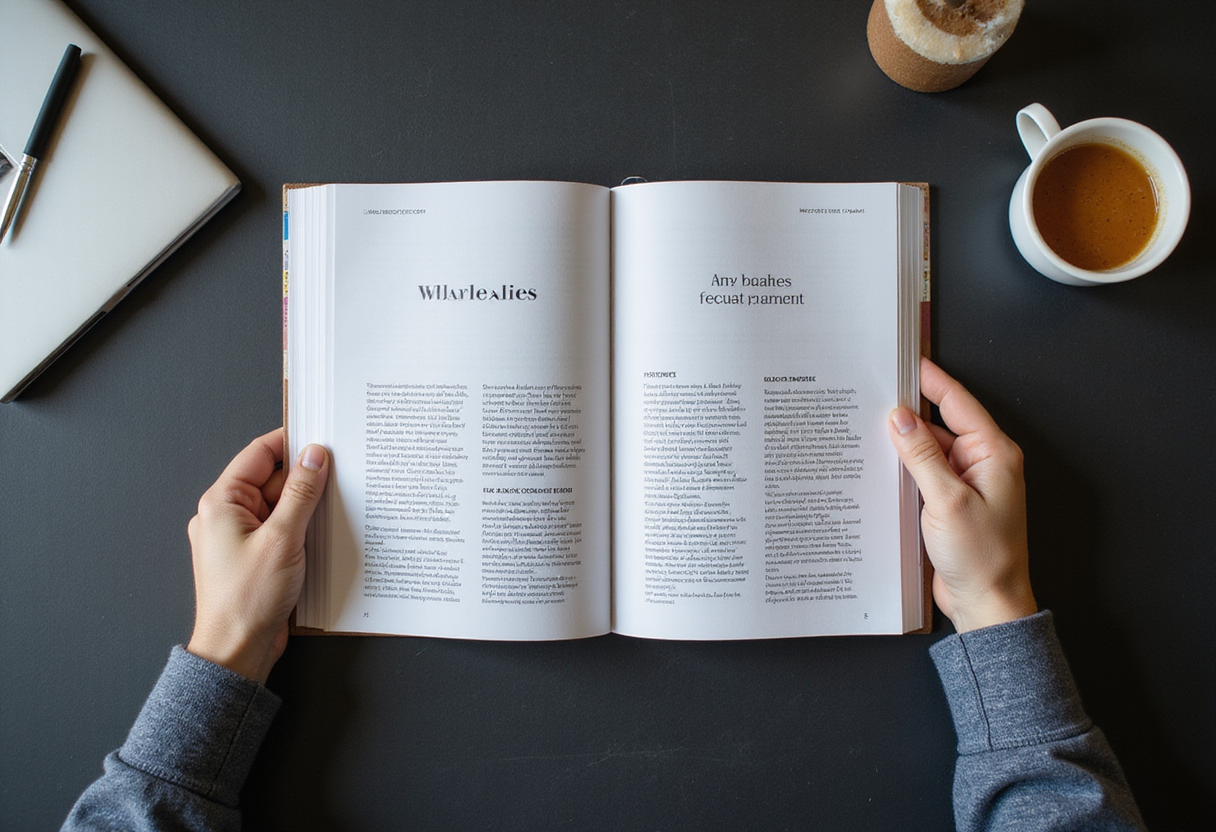
The photobook has stopped being a container. That is the premise driving the latest installment of Lenscratch's Book Talk series, which takes up the question of how text functions within photographic books — not as caption or afterthought, but as a structural element that shapes how a sequence is read.
The essay's argument begins with a claim about readers. We have, the author writes, "evolved into a society that can decode the complex images that are a fluid part of our lives." Photobooks have answered this visual fluency by shifting their ambition: they no longer merely record information but construct "immersive experiences of the artist's narrative and concept." The book, in this formulation, behaves less like an archive and more like a scored environment.
At the center of that shift sits text. When a photographer introduces writing into a sequence, the piece argues, the decision becomes structural — one that weighs "the frequency and" placement of words against the rhythm of images. The excerpt breaks off at that threshold, but the direction is clear: the frequency of textual interruption, and the density of language, determines pace, hesitation, and return within a book. Text sets the meter of the object in the reader's hands.
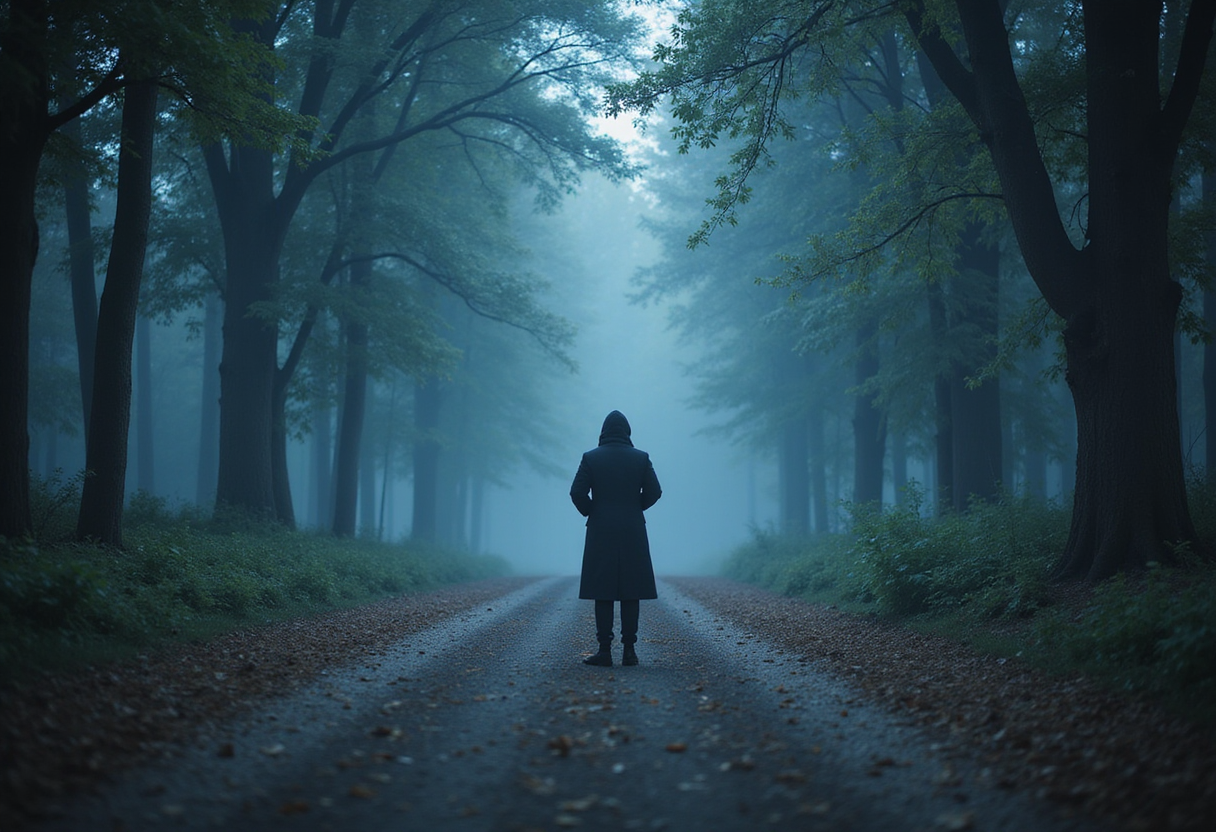
The column illustrates its point with work titled Inner Passage, shown in the accompanying image. The title itself signals the kind of interior, meditative sequence the discussion favors — one where the passage between images is as carefully engineered as the photographs.
This is a timely argument, and one with real art-historical weight behind it. Ed Ruscha self-published Twentysix Gasoline Stations in 1963, letting terse titles do the sequencing's work. Duane Michals built handwritten captions into Sequences in the 1970s, making text inseparable from image. More recently, photographers such as Dayanita Singh have treated the book itself as the primary artwork, a movable architecture in which ordering — verbal and visual — carries the meaning. Against that lineage, Lenscratch's framing of text as structural decision rather than ornament reads as a useful corrective. Too many photobooks still bolt on an essay at the back as an act of validation; the works this column champions treat language as load-bearing from the first page.
There is also a craft argument embedded here, and it deserves the serious attention the piece gives it. Choosing when words appear — on every spread, once per chapter, only at the end — is an editorial act equivalent to choosing a shutter speed. It governs how quickly the viewer moves, where they pause, and what they expect next. A photographer who masters that cadence can make a quiet sequence feel urgent, or an explicit one feel withheld. The best practitioners of this craft, as the essay implies, understand that a book is a time-based medium bound in static pages, and text is one of the few tools that can bend that time.
Lenscratch's Book Talk series has become a reliable venue for this kind of close reading of the photobook form, giving sustained critical attention to a medium too often reduced to a marketing surface. By isolating a single formal question — text, its frequency, its placement — the column models the sort of analysis photobooks demand and rarely receive.
Where the argument heads next matters. If contemporary audiences truly decode complex imagery as fluently as the essay claims, the photobook's future lies with artists who exploit that fluency — building sequences where words and images compete, contradict, and complete one another, and where structure itself carries the narrative. The Lenscratch discussion, continuing its series, suggests the conversation around the photobook is finally catching up to what the best bookmakers have long practiced.
Key points
- Lenscratch's Book Talk series addresses text as a structural element in photobooks
- The essay argues photobooks have become immersive experiences of an artist's narrative and concept rather than containers of recorded information
- The discussion considers the frequency of text as a key structural decision within photographic sequences
Original: hannahaltmanphoto.com
James Calloway
Show full bio
Market editor covering industry trends and analytics at Lens Gazette.