Coventry Cathedral to open archive of shattered medieval stained glass
Thousands of fragments from Coventry Cathedral’s medieval stained glass, stored in 30 crates, will become publicly accessible through new scans and digital research tools.
By James Calloway
Coventry Cathedral will make scans of thousands of shattered 15th-century stained-glass fragments browsable through Bloomberg Connects in November, opening its 30-crate collection to public view for the first time in almost 90 years. The launch coincides with Remembrance season and begins the cathedral’s effort to establish a permanent digital archive.
What happened to Coventry’s medieval windows?
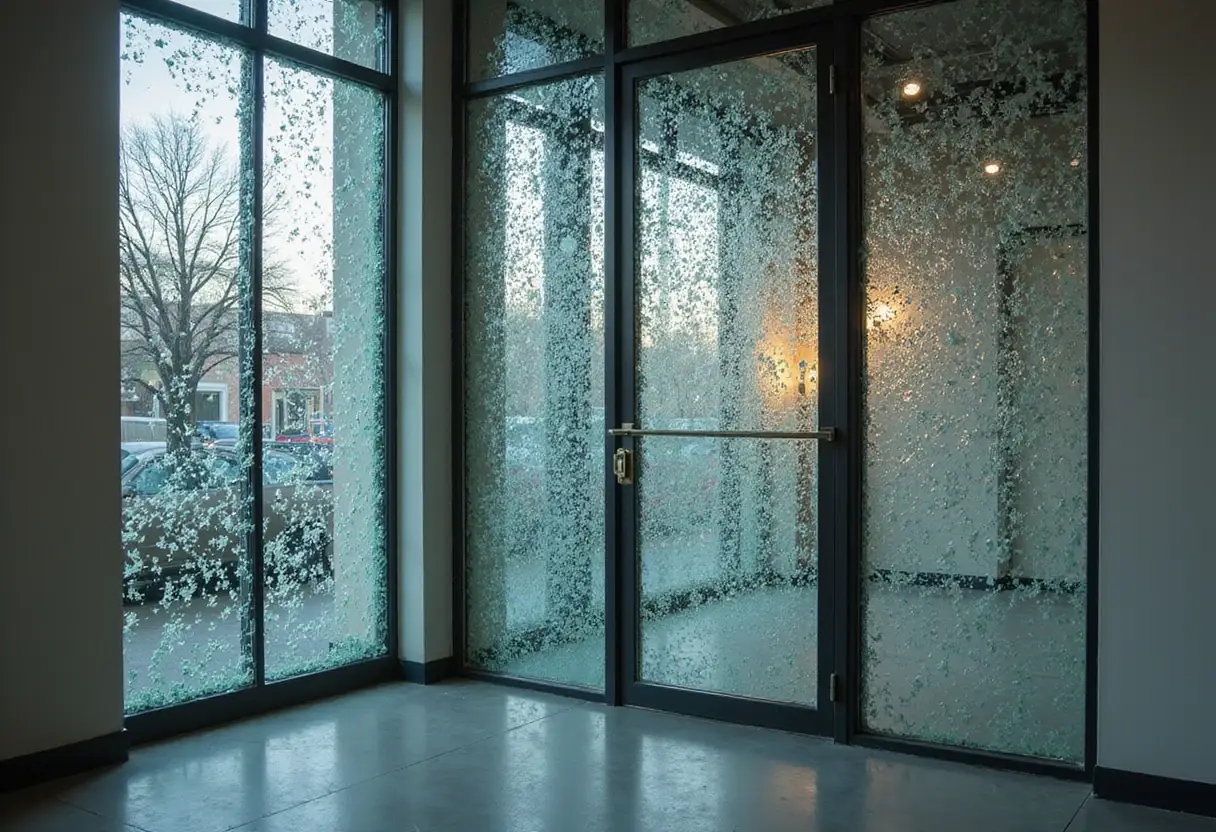
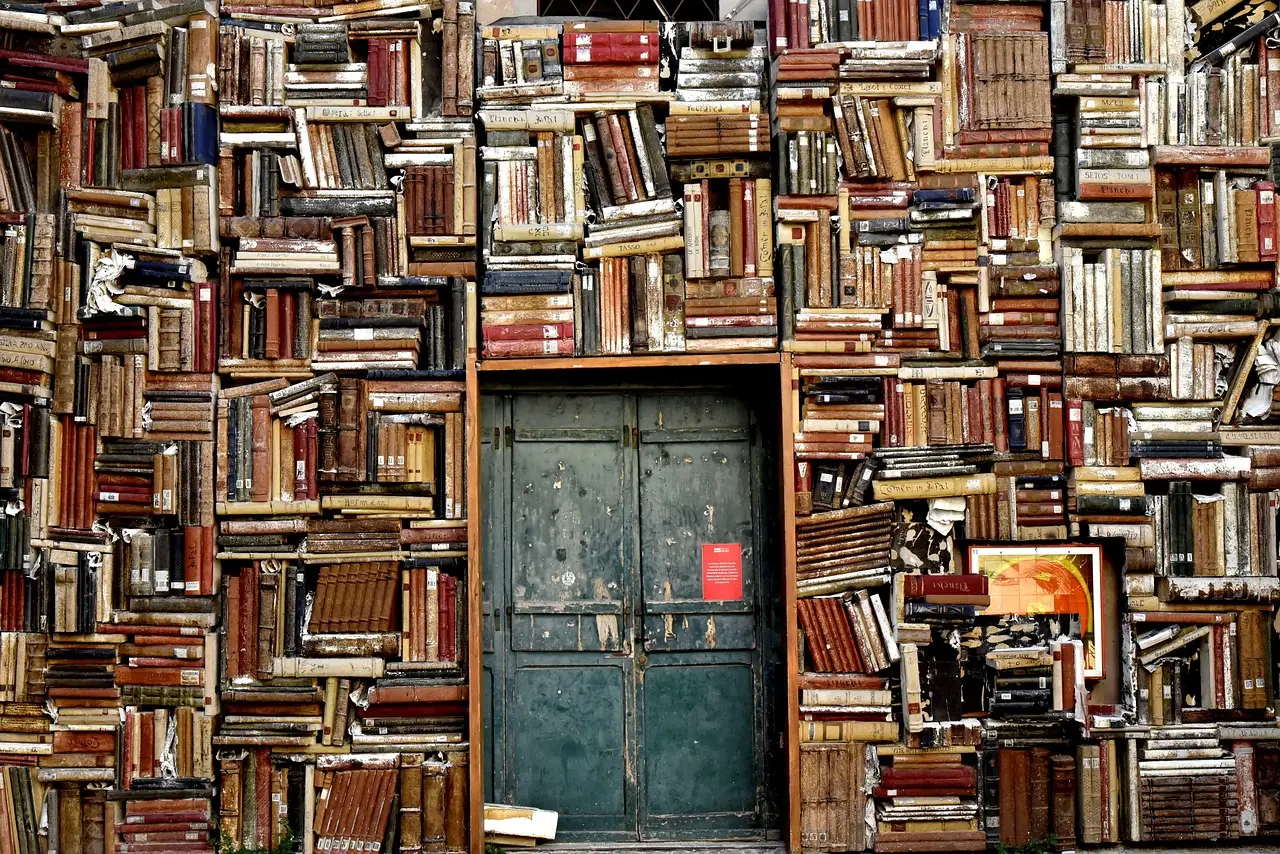
After the Luftwaffe destroyed Coventry Cathedral in 1940, the shattered remnants of its medieval windows were eventually packed into 30 wooden crates and stored in a cellar. The glass had first been smashed during the Reformation, then dismantled for safekeeping before the Second World War.
Five turbulent centuries of loss and concealment left the authorities holding a treasure trove without a clear account of what survived. Laura Atkinson, a stained-glass conservator, led the programme to photograph and catalogue thousands of pieces. The World Monuments Fund supported the completed project.
Those scans give people in Coventry and farther afield virtual access to an internationally significant collection. The project also allows conservation, research and engagement to be considered together for the first time.
What do the Thornton fragments depict?
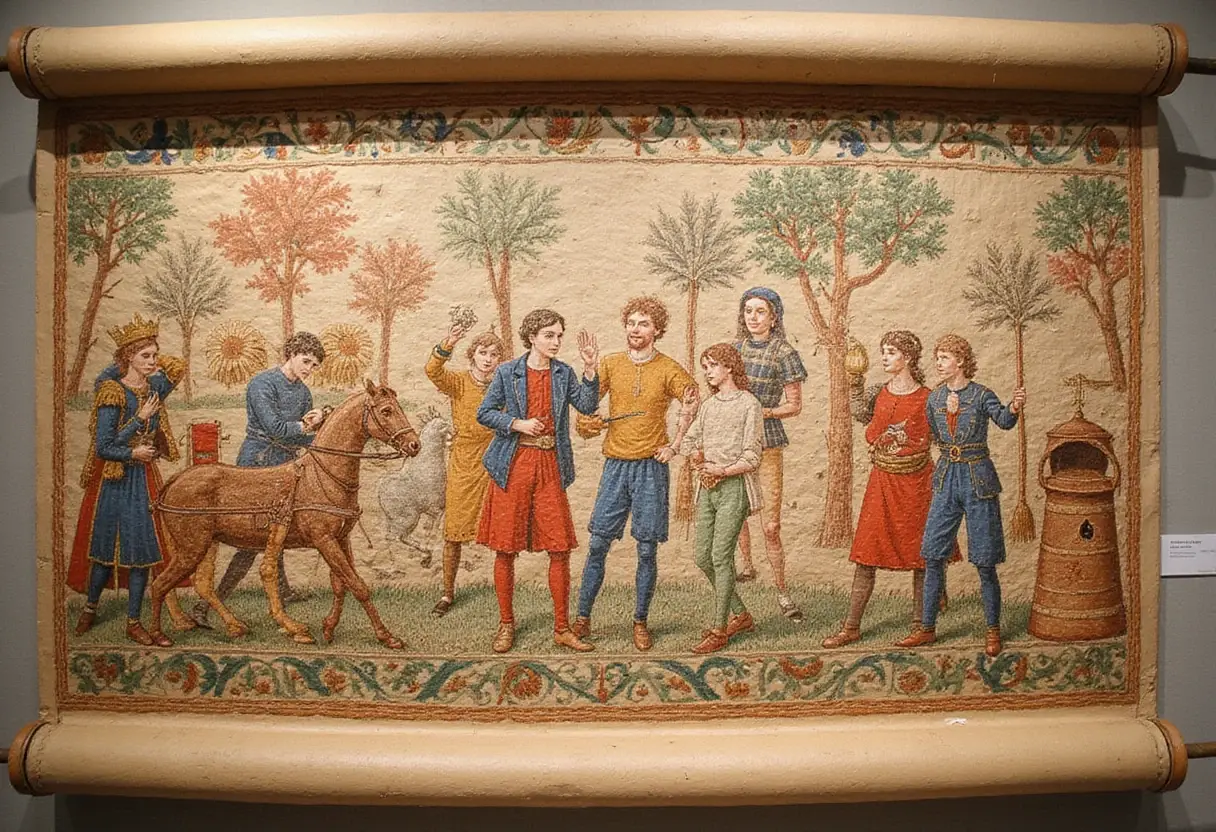
The collection is attributed to John Thornton of Coventry, a master glazier who also created the Great East Window of York Minster. Dating from the 15th century, the glass contains biblical scenes and crucifixions, together with donor figures shown kneeling and praying.
Atkinson called the quality “stunning.” Other pieces depict whimsical animals and beasts, precious gems and jewelled fabrics, all of which required immense technical command from the original glassmakers.
For her, the faces establish the strongest connection with painters from the past. She observed that viewers may recognise a self-portrait because medieval artists apparently tended to draw themselves.
To render a jewel, the medieval glazier scratched away the glass surface, made a hole and inserted a coloured piece. Atkinson described the method as exceptionally time-consuming, prone to failure and costly, and she regarded its results as the best medieval glass.
What does cataloguing change?
Some surviving pieces remain individual, small fragments; others were reassembled at some point after the Reformation into panels assembled from mismatched glass. Andrew Hines, head of heritage and interpretation at the cathedral, called one composite “a medieval jigsaw puzzle” because it only suggests its original scene.
Hines said specialists had long known that Coventry held a world-class archive of medieval glass. Poor storage had prevented staff from appreciating either its importance or its scale, leaving the collection without a coherent basis for conservation, research or engagement.
The completed catalogue changes that condition by allowing all three activities to be considered together for the first time. Its achievement lies in making a dispersed archive legible before anyone attempts to reconstruct the original compositions.
The catalogue also gives the cathedral, famously rebuilt in the 1960s, a basis for treating its medieval material as research evidence rather than cellar-bound remnants. Its practical value lies in preserving the difference between an individual fragment, a later patchwork panel and the lost composition each may once have formed.
How will researchers use the archive?
Atkinson said AI tools could help reconstruct the themes of the original 15th-century windows. She also recognises stylistic parallels between Coventry’s glass and windows at Westminster Abbey and Canterbury Cathedral.
Her proposed use is historical rather than merely illustrative: researchers could build a clearer picture of how medieval craftspeople moved between cathedrals and worked across different phases. The scans offer the comparative evidence such work requires.
The November release will make the collection browsable through the Bloomberg Connects app. Coventry Cathedral plans to turn that initial access into a permanent digital archive, preserving the catalogue as the foundation for later research, conservation and public engagement.
AI offers a route to recovering the original themes, but its role remains prospective; the completed achievement is the catalogue itself. As Coventry turns November access into a permanent digital archive, its next phase will connect further scholarship with conservation and proposed AI-assisted reconstruction of the original themes.
Key points
- The Luftwaffe destroyed Coventry Cathedral in 1940; 30 wooden crates later held its shattered medieval glass.
- Thousands of 15th-century fragments were photographed and catalogued with World Monuments Fund support.
- The collection is attributed to John Thornton, who also created York Minster’s Great East Window.
- Public browsing through Bloomberg Connects begins in November, coinciding with Remembrance season.
- Coventry Cathedral plans a permanent digital archive; Atkinson proposed AI tools for reconstructing original themes.
Source: theguardian.com
James Calloway
Show full bio
Market editor covering people, launches and day-to-day practice in Photography exhibitions, photographers, photo books, festivals and awards at Lens Gazette.