British Museum Bans Photography of Bayeux Tapestry
The British Museum will ban all photography of the Bayeux Tapestry when the 70-metre medieval embroidery goes on display in London from 21 September — its first visit to Britain.
Updated
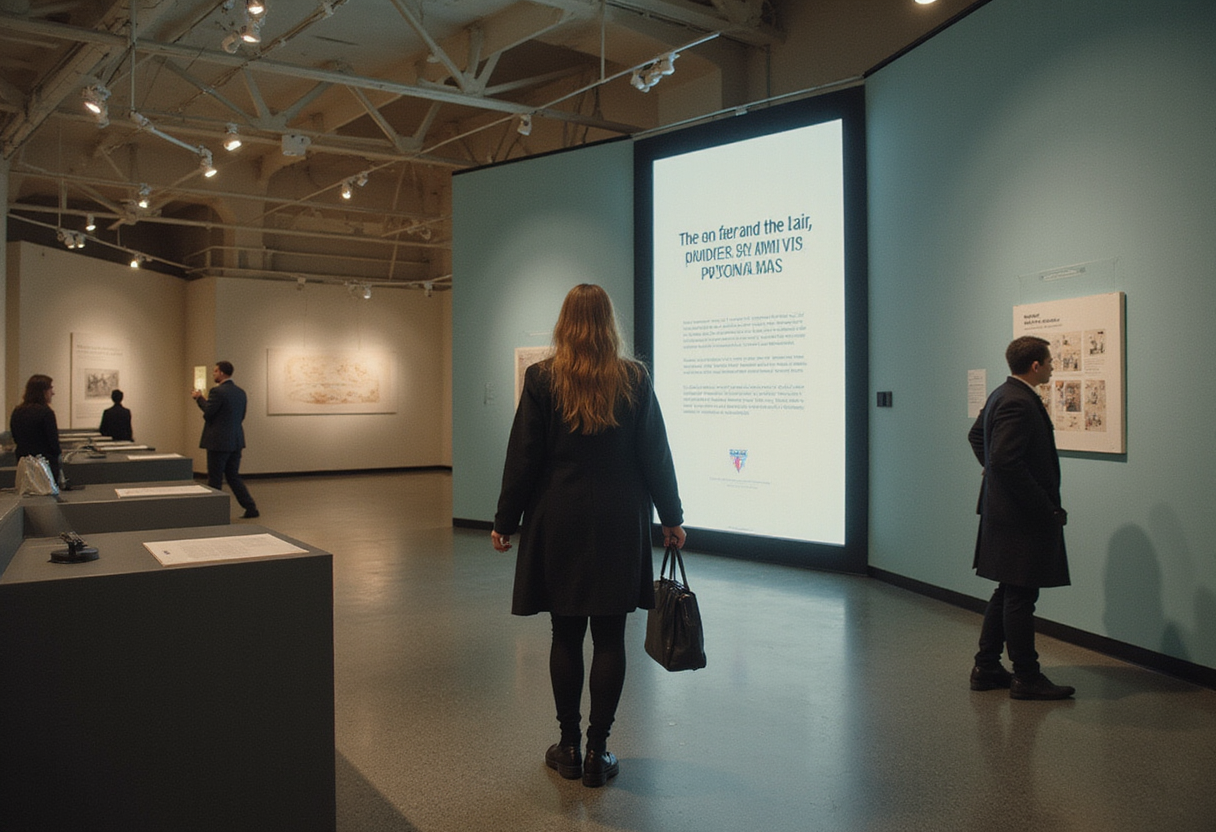
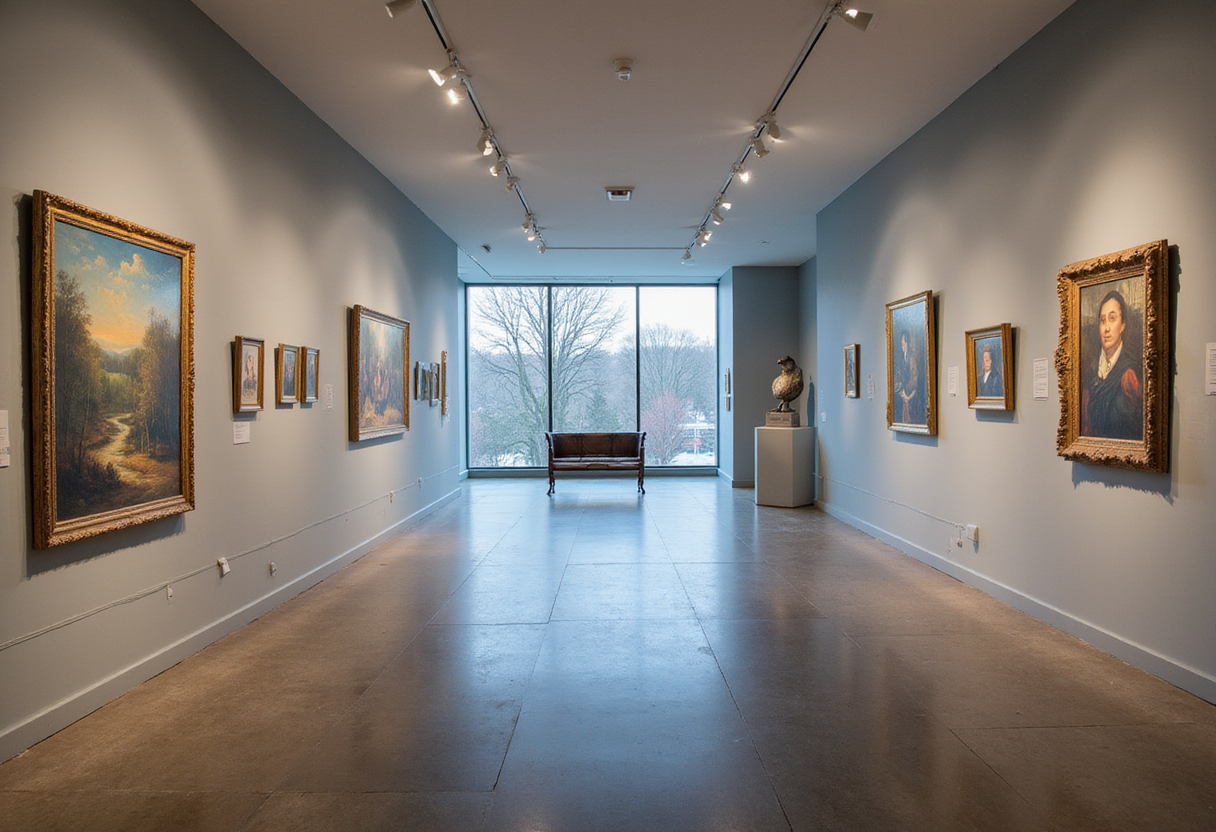
The British Museum has banned all photography of the Bayeux Tapestry for the duration of its London showing, which opens on 21 September. The restriction, confirmed ahead of the tapestry's first visit to Britain in over 900 years, means visitors to the Bloomsbury galleries will encounter the medieval embroidery under museum lighting and behind barriers — with no cameras raised.
For an institution that has spent two decades loosening its photography rules, the decision marks a sharp reversal. The British Museum now permits non-flash photography across most of its permanent collection, a policy that has made its galleries some of the most photographed in the world. The Bayeux Tapestry loan, however, falls into a different category: a single, irreplaceable object of extraordinary fragility, loaned by France with strict conditions attached.
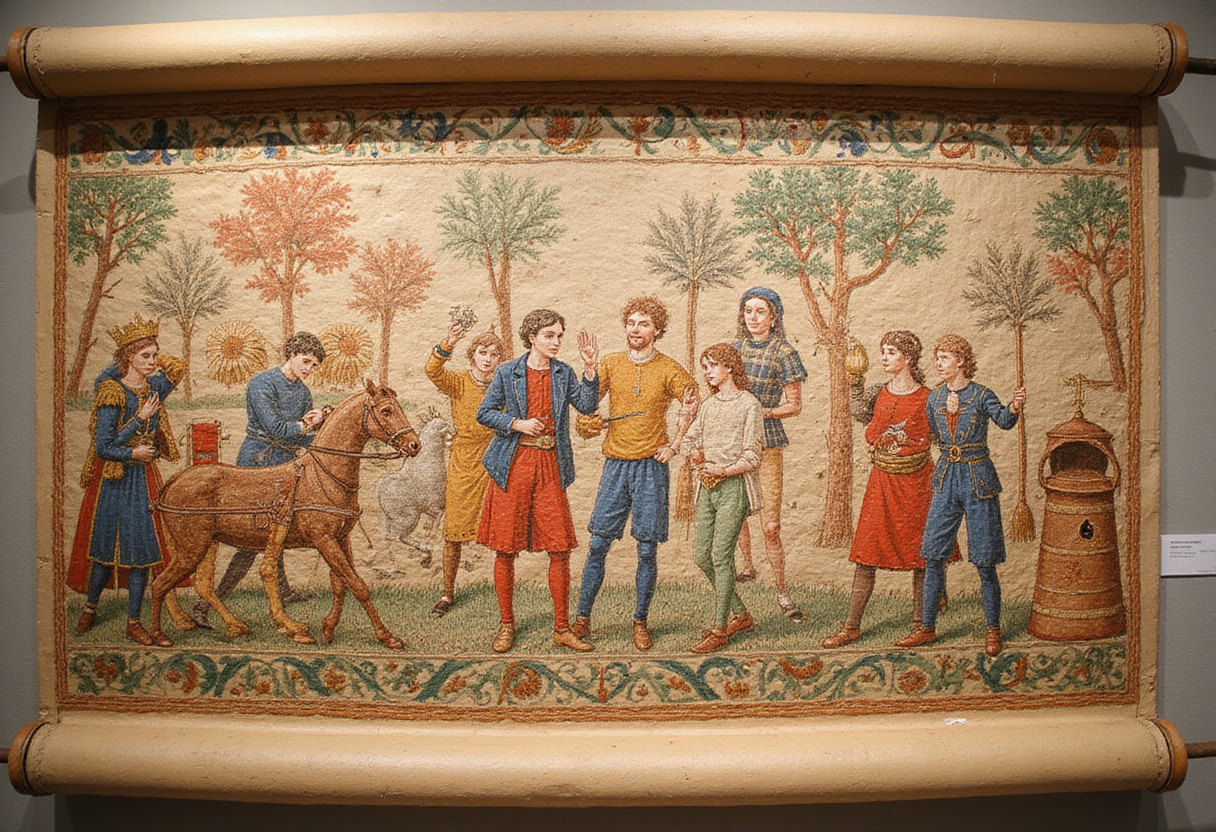
The tapestry itself — roughly 70 metres of embroidered linen chronicling the Norman Conquest of 1066, from Harold's oath to William's coronation — survives as one of the most complete visual narratives of the medieval world. It has left its home in Normandy only once for exhibition abroad, and never for Britain, despite the subject matter being English history's most consequential turning point. The loan, announced after years of diplomatic negotiation, was framed by both governments as a gesture of Anglo-French cultural ties.
Museum authorities have not specified publicly whether the photography ban responds to conservation concerns, lender conditions, or crowd-management calculations. Similar restrictions have accompanied other single-object blockbusters: the British Library's display of the Lindisfarne Gospels and the loan exhibitions of the Codex Sinaiticus both limited or prohibited photography outright, citing light exposure, object security and visitor flow.
Whatever the reasoning, the ban reshapes the viewing experience in ways photographers should take seriously. The tapestry is an object built on continuous looking — a frieze that unrolls scene by scene, demanding that the eye travel along its length. Deprived of the camera, visitors may find themselves doing what the work was made for: following the narrative at the pace of the stitch. There is a case, some curators have argued privately for years, that certain objects are better served by an enforced slow look than by the raised phone.
The ban will also test the public's response. Social media has become the default record of the blockbuster exhibition, and institutions increasingly depend on visitor photography for reach. A photography-free gallery at the height of the autumn exhibition season is a counter-current move, and one that other lenders may study closely if it succeeds without suppressing attendance.
For photographers and photo editors, the irony is pointed: the Bayeux Tapestry is itself an image sequence, arguably one of the earliest surviving examples of sequential visual storytelling — a strip of frames, with scene divisions, marginalia and recurring characters, that functions in ways comic strips and photo essays later would. The 11th-century embroiderers worked with the same problem photojournalists face: how to carry a viewer through time using only a static medium and a border.
High-quality reproductions of the tapestry already exist in exhaustive detail, and the museum will rely on those, alongside its own published materials, to carry the object's image into circulation while the original sits unphotographed in London. The ban applies to the object, not to its reproduction.
Tickets for the exhibition, which opens on 21 September, are expected to be among the most sought-after of the museum's year. Whether visitors accept a gallery without cameras — and whether the tapestry's return to France afterwards closes the door on future loans of this scale — will shape how the next generation of single-object exhibitions is staged.
Key points
- The British Museum bans all photography of the Bayeux Tapestry during its London showing.
- The exhibition opens on 21 September — the tapestry's first visit to Britain.
- The roughly 70-metre embroidery depicts the Norman Conquest of 1066.
Source: Google News: photography museum
James Calloway
Show full bio
Market editor covering industry trends and analytics at Lens Gazette.