Virginia War Museum Marks 25 Years Since 9/11 With Photograph Exhibit
Twenty-five years after the attacks, a Newport News war museum opens a photography exhibition that places uniforms and weapons in conversation with a domestic visual record.
Updated
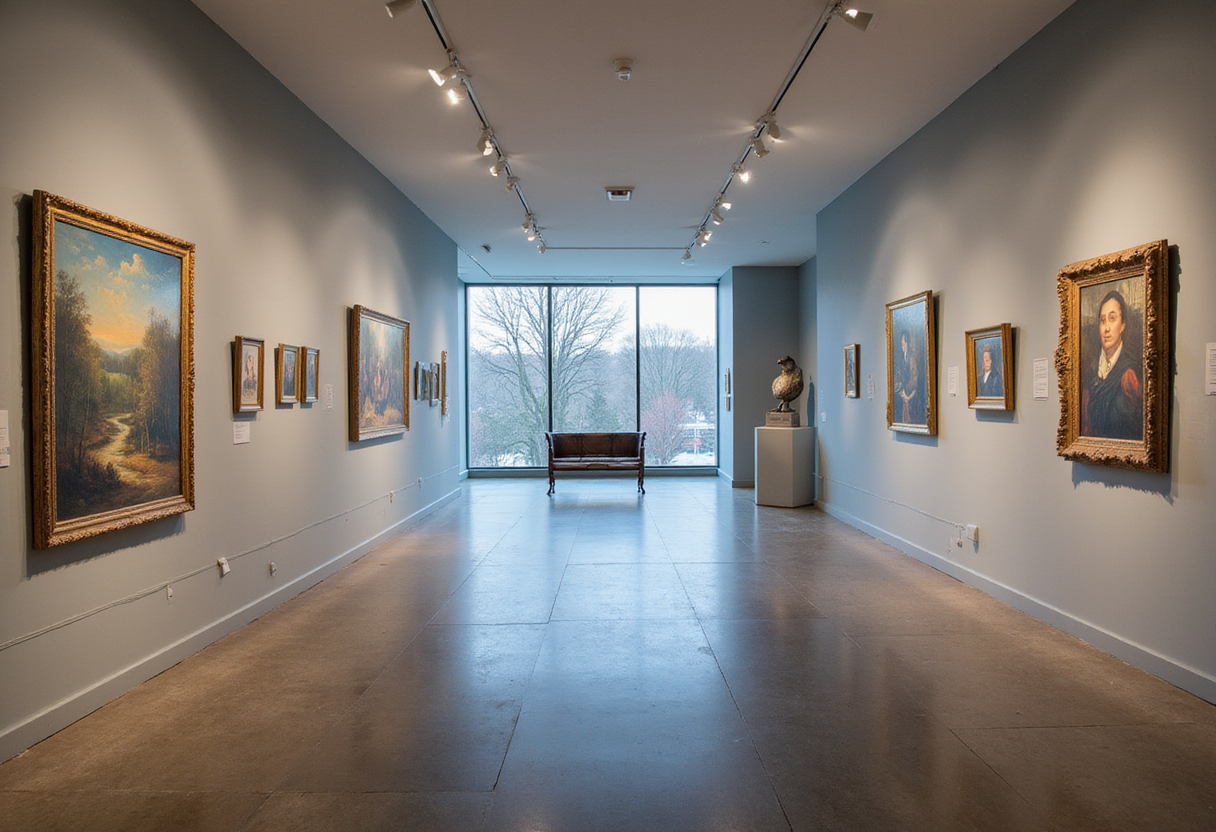
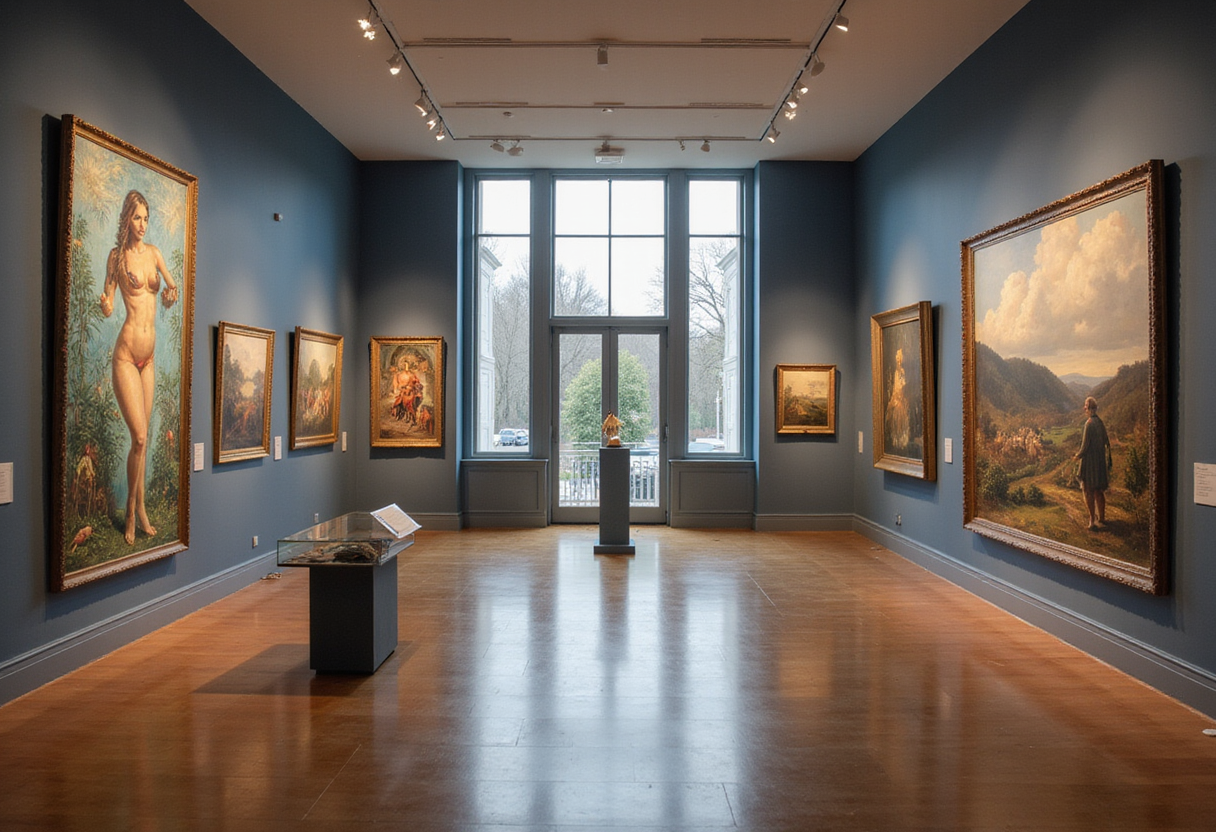
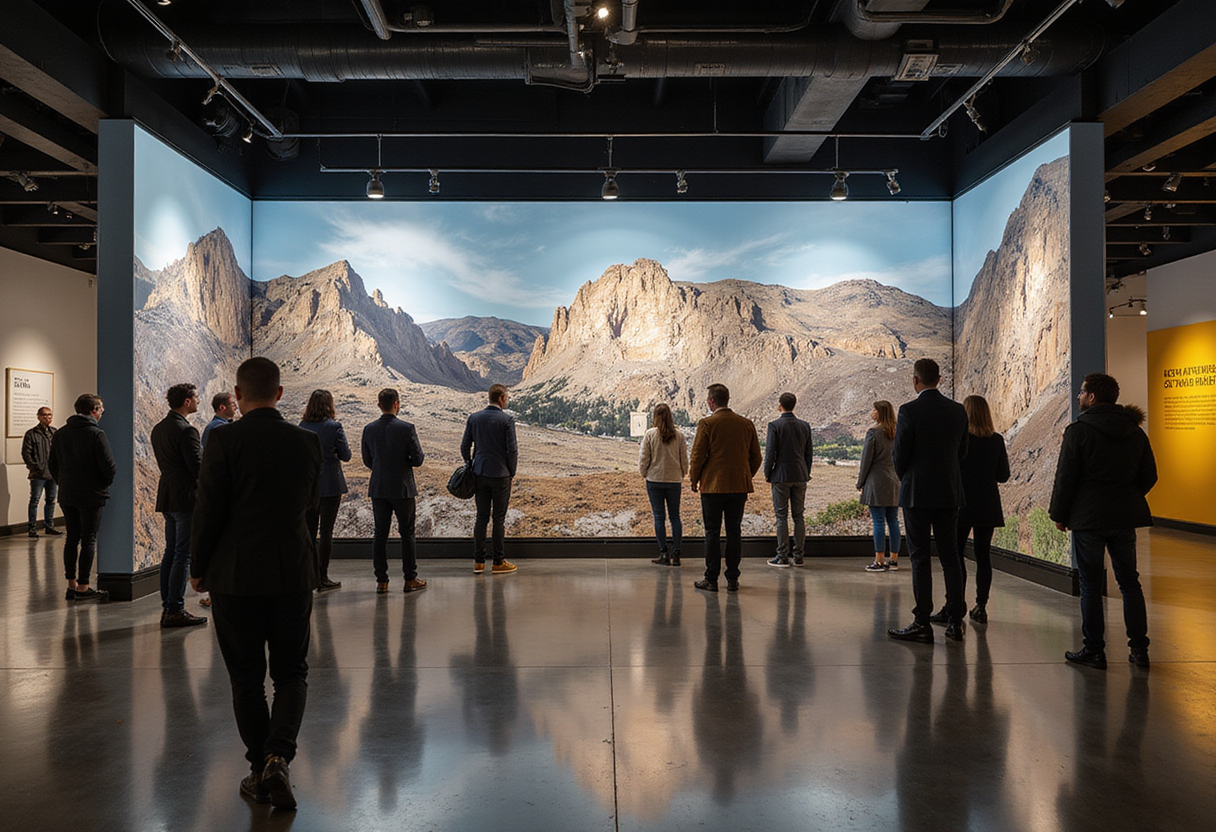
The Virginia War Museum in Newport News has opened a photography exhibition marking twenty-five years since the September 11, 2001 attacks. The institution announced the show to coincide with the anniversary date.
The exhibit positions the museum, historically focused on military conflict, against a civilian event that reshaped American foreign policy and public memory. Anniversary exhibitions of this kind have become a recognized curatorial format across American museums since 2001.
Why is a war museum showing 9/11 photography?
A war museum that curates photographs of a domestic attack extends its collecting logic beyond uniforms and weapons into the visual archive of a single morning.
The institutional choice reflects how September eleventh imagery has moved into museum collections over twenty-five years. Newsrooms generated the original photographs. Images of the burning skyline and the collapsing structures entered global circulation within hours of the attacks.
Photo agencies, news organizations, and individual photographers later transferred portions of that archive to museums and foundations. The work now sits in permanent collections alongside other twentieth-century documentary projects.
The Virginia War Museum presents that archive as historical record rather than news item. Anniversary programming has changed shape since 2001. The first decade favored press photography gathered into single archives. The second decade added documentary work by artists who returned to the site over years. The third decade has begun to include photography by family members, first responders, and survivors.
Who is the exhibition for?
The Virginia War Museum occupies a particular position within national 9/11 programming. Newport News is home to major naval installations and a large veteran population. Visitors arrive at the museum familiar with the foreign deployments that began after the attacks.
An exhibition on civilian trauma therefore reaches an audience shaped by military consequence. The gallery text cannot treat the morning in isolation from the consequences. Visitors arrive carrying their own proximity to the post-2001 wars, and that proximity shapes what a photograph on the wall can still ask of them.
A war museum cannot show September eleventh apart from the wars it produced.
What can a photograph exhibition still do?
The archive of September eleventh photography spans press images, eyewitness frames, and subsequent documentary projects. The medium carried the record because cameras were present at every stage of the day. Helicopter news footage, building security video, and amateur photography together built an unusually saturated visual archive.
Photography became the default vehicle for memorial work in the years that followed. Twenty-five years on, news photography of the attacks still circulates in anniversary coverage. Documentary projects continue to revisit survivors, responders, and the rebuilt skyline.
A photograph exhibition asks the viewer to stand still in front of one image for as long as the image requires. The museum setting permits that slow looking, which news coverage of a single anniversary cannot provide.
The Virginia War Museum will run the show on its own schedule. Visitors should confirm run dates directly with the institution. Programming of this kind typically adjusts to attendance, school bookings, and community response in its opening weeks.
A regional museum can extend the public life of an event that news cycles have begun to compress.
The response to this show will shape how the Virginia War Museum approaches photography, civilian commemoration, and the visual archive of twenty-first-century conflict in its future seasons.
Key points
- The Virginia War Museum in Newport News opened a photography exhibition timed to the twenty-fifth anniversary of September 11, 2001.
- The museum is historically focused on military conflict; the new exhibit marks the institution's first dedicated gallery programming on a domestic attack.
- Photography became the dominant archival medium for 9/11 because news helicopters, security cameras, and amateur video produced an unusually dense visual record that day.
- Anniversary exhibitions of this kind have shifted since 2001, from press-photo archives to documentary work and survivor-led projects.
- Visitors should confirm run dates with the Virginia War Museum directly, as attendance and community response often adjust programming in the opening weeks.
Source: Google News: photography museum
Grace Kim
Show full bio
Senior reporter covering companies, deals and strategy in Photography exhibitions, photographers, photo books, festivals and awards at Lens Gazette.