British Museum Bans Photography of the Bayeux Tapestry
The British Museum banned all photos of the Bayeux Tapestry within a week of its September 10 opening, reversing the permission printed on e-tickets and citing visitor flow.
Updated
By Grace Kim
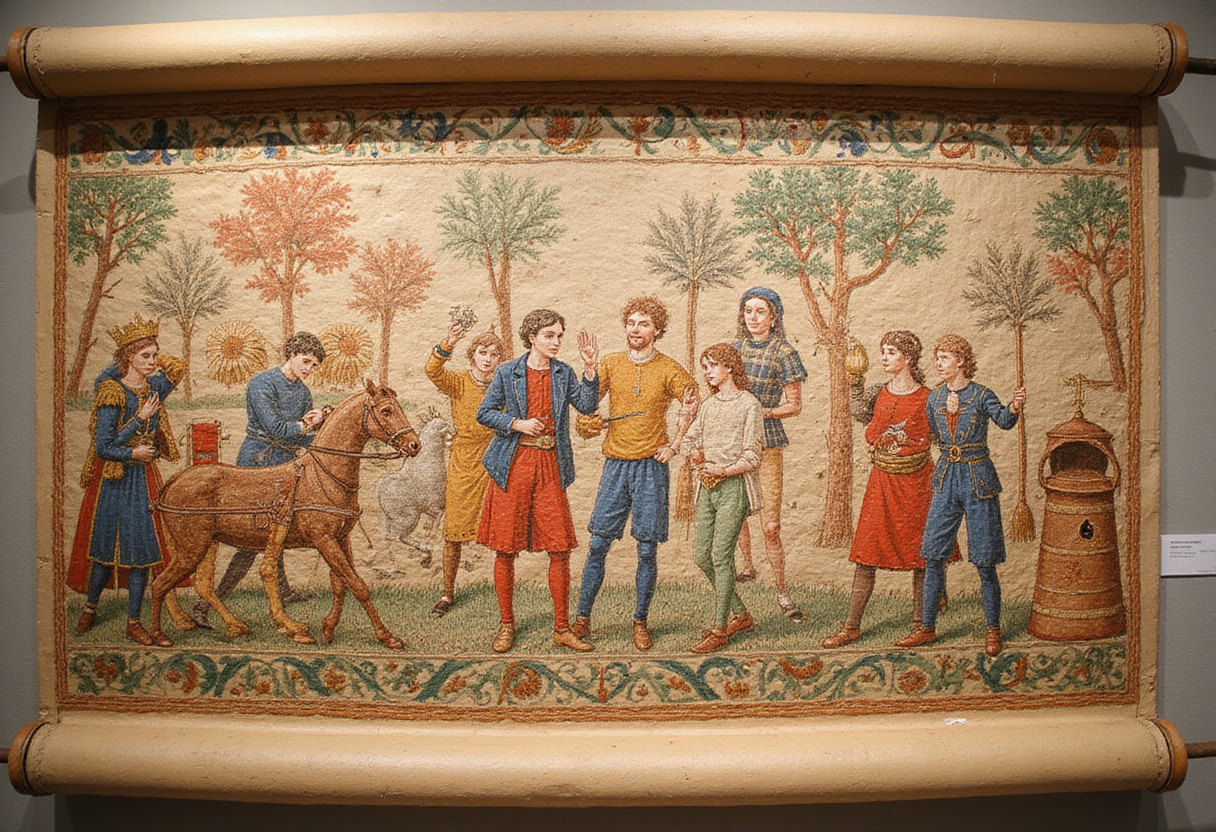
The British Museum has banned all photography of the Bayeux Tapestry, reversing its policy less than a week after the exhibition opened to ticket holders. Visitors who photographed the near-thousand-year-old textile on opening day, September 10, now cannot take a single picture of it.
The shift came without a formal announcement. Blogger and former museum professional Maxwell Blowfield flagged the change in a recent blog post. He noted that the museum had put up signage outside the exhibit announcing a total photography ban. That signage contradicted the permissions printed on the e-tickets visitors had already bought.
What changed, and when?
The sequence is simple.
- The museum's website originally stated that non-flash photography of the Bayeux Tapestry was permitted.
- E-tickets carried that same permission.
- Hundreds of ticket holders took informal, non-flash photos on opening day, September 10.
- After the opening, the museum updated its online guidelines to disallow all photography while visitors move along the length of the Tapestry.
- Signage outside the exhibit now communicates the ban.
Hyperalleric confirmed the opening-day permissions and the subsequent update. The takeaway: a policy written into purchased tickets lasted barely a week before the museum withdrew it.
Why did the museum act?
A British Museum spokesperson told Hyperallergic: "There has been enormous interest in viewing the Tapestry, and our priority is to ensure that all visitors have the best experience possible. In order to do this, we have made the decision to restrict photography while people are moving along the length of the Tapestry."
The stated reason is crowd flow, not conservation. Visitors view the Tapestry by moving along its roughly 70 meters of embroidered narrative, and cameras slow that movement. When hundreds of people stop to frame a shot, the line stalls behind them. The museum has framed the ban as a way to keep everyone moving.
The question of preservation hangs over the decision without being named in it. The source poses the underlying tension plainly: a picture is worth a thousand words, but is taking a picture worth compromising the preservation of a near-thousand-year-old textile? The museum has not cited light damage or conservation science in its explanation. Its argument rests entirely on visitor experience.
What does this mean for visitors?
Ticket holders who arrive expecting the permissions printed on their e-tickets will find new signage instead. The ban applies while people move along the length of the Tapestry. The museum's online visiting information now reflects the stricter rule.
There is a familiar institutional logic here. Museums increasingly restrict photography at blockbuster shows to protect sightlines and throughput, and the Bayeux Tapestry is the definition of a blockbuster: a 11th-century artifact whose loan and display are rare events. The ban trades visitor souvenirs for crowd management.
The mechanism is worth stating plainly. Photography permission was a promise made at the point of sale. The museum withdrew that promise after the sale, by signage rather than by refund policy or ticket revision. Visitors have no recourse beyond the museum's own goodwill.
Takeaway: check the current guidelines before you go, because the e-ticket no longer tells the truth.
Where does this go next?
The museum's spokesperson pointed to "enormous interest" as the driving force, which suggests the restriction will hold as long as crowds do. Whether the British Museum extends the ban to other high-traffic exhibitions, or reinstates photography once initial demand falls, will show whether this was crowd control or a new standing policy.
Key points
- The British Museum banned all photography of the Bayeux Tapestry less than a week after the show opened.
- Hundreds of ticket holders took photos on opening day, September 10, under permissions printed on e-tickets.
- Blogger and former museum professional Maxwell Blowfield exposed the reversal via signage outside the exhibit.
- A museum spokesperson said the restriction protects visitor experience while people move along the Tapestry's length.
Original: maxwellmuseums.substack.com
Grace Kim
Show full bio
Senior reporter covering companies, deals and strategy in Photography exhibitions, photographers, photo books, festivals and awards at Lens Gazette.