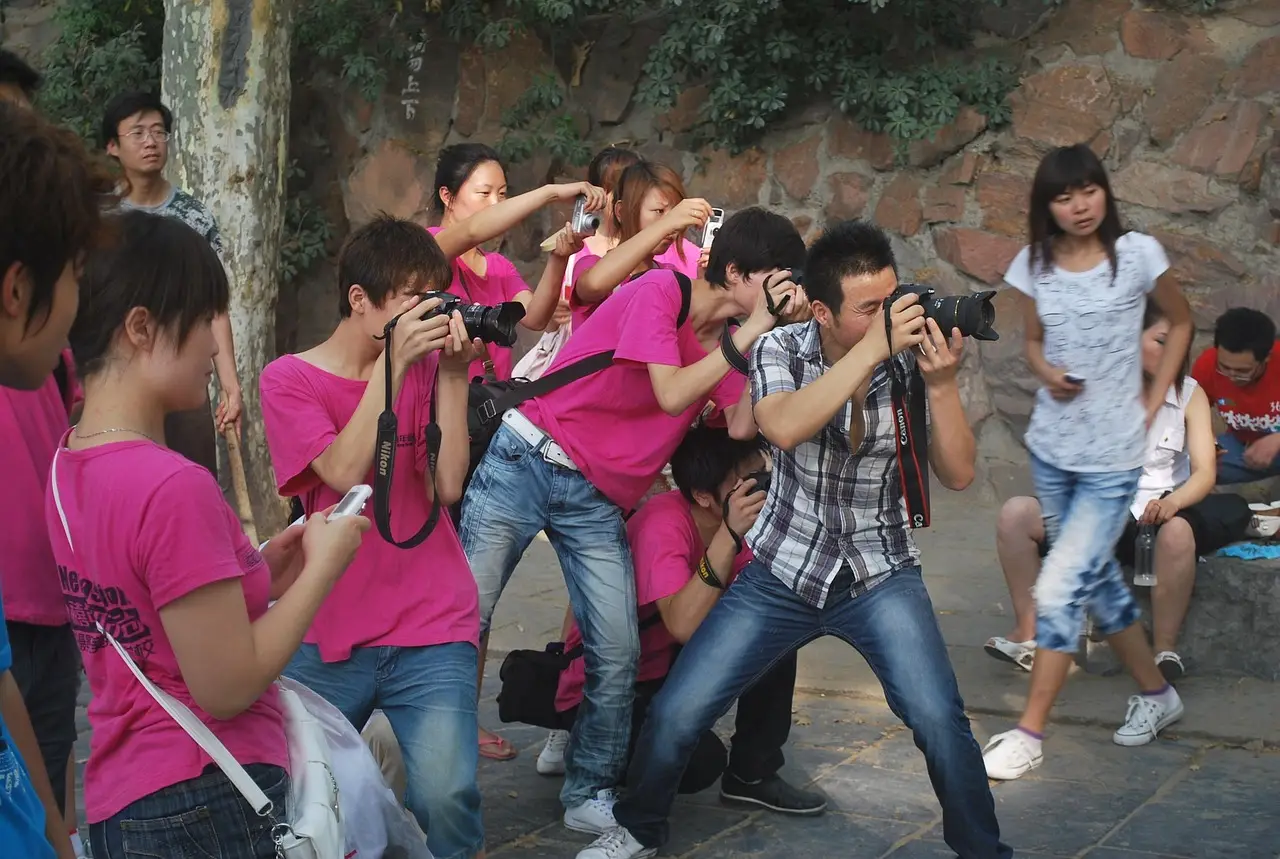
AP Moves Eight US Photo Editor Jobs to India
The Associated Press has offshored eight US photo editor roles to its Noida hub, which will soon hold nearly 100 visual staff. Guild president Kimberlee Krusei calls the move "union busting."
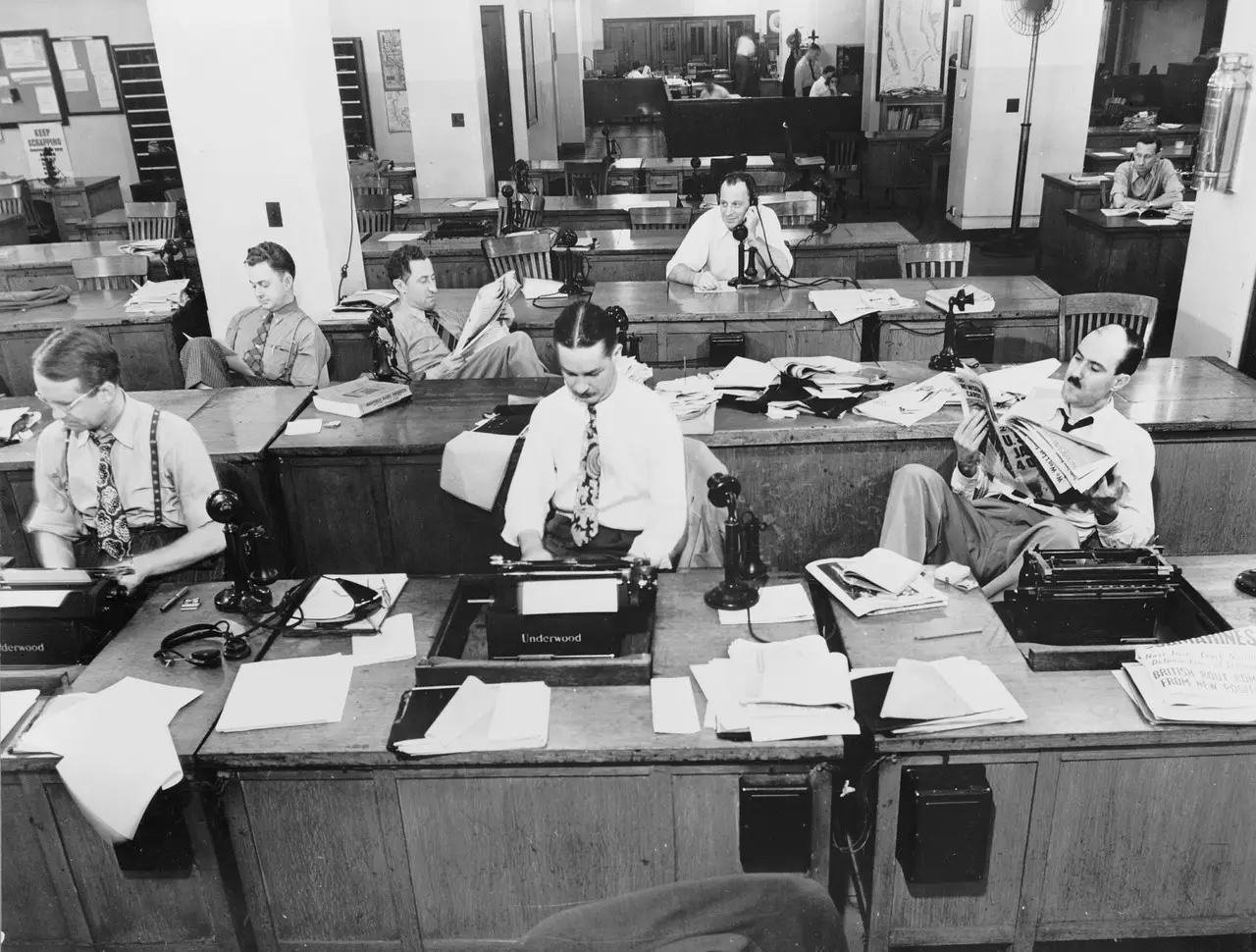
The Associated Press has moved eight US photo editor positions to its hub in Noida, India, with today marking the affected editors' last day in their American roles. The News Media Guild, which represents AP staff, learned of the decision on a Monday and condemned it in blunt terms.
The offshoring extends a pattern. This summer, AP laid off 20 US video production jobs and transferred that work to the same Noida hub. The agency now says the facility will soon employ nearly 100 video producers and photo editors.
"AP is at it again," the AP News Guild wrote on X last week. "The News Media Guild learned Monday that AP will offshore eight photo positions after already gutting its U.S. video production team."
What does the Guild say the move destroys?
News Media Guild president Kimberlee Krusei called AP's decision "union busting" in a statement. "Fewer people, fewer communities being covered, and less news. That's the impact of today's decision," Krusei said. "AP's newsgathering has gone beyond 'lean' to leaving many coverage areas abandoned. The remaining journalists are asked to do the impossible and it shows."
The Guild argues the editors do far more than select frames from AP photographers. According to the union, they:
- provide direction and guide photographers in the field
- correct essential information attached to images
- scrutinize pictures for alterations
- negotiate with outside photographers to buy image rights, now an essential part of covering breaking news
"They bring decades of local knowledge, news judgment and connections," the Guild said in its statement.
What did these editors actually produce?
One affected editor, Pablo Salinas, based in New York, described work that no remote workflow could easily replicate. In 2019, he obtained the rights to a photograph of a drowned father and daughter lying face down in the Rio Grande — an image taken not by an AP staffer but by an outside photographer.
"That was a picture that I don't think any other photo editor would have been able to get," Salinas said. "Because it wasn't ours, I scoured social media and found it and got in touch with the photographer. And she reluctantly gave us permission to use it."
The photograph went viral and became a defining image of the border crisis coverage that year.
AP photographer Matt Rourke framed the stakes in institutional terms. "AP benefits from having photo editors that are local to where the news is being produced," Rourke said. Salinas added: "It's a partnership. The kind of partnership you lose when you sacrifice these jobs to save a few dollars."
Photo editors sit at the center of AP's biggest stories. On election nights they coordinate with local photographers to move hundreds of shots illustrating results, and on sensitive breaking news they secure the rights to images that carry difficult information to millions of readers.
How has AP responded?
An AP spokesperson said the agency is respecting and following the collective bargaining agreement. "This is part of the changes we announced over the summer to significantly scale our visual production capabilities at our new hub in Noida, India, where we have added dozens of talented journalists to our global news organization," the spokesperson said.
For practitioners, the shift signals where editorial photo work is heading at the largest wire services: consolidated into global hubs where labor costs less, staffed by journalists the agency describes as talented, but distant from the communities and photographers whose images they will shepherd. With Noida approaching 100 visual staff and the Guild promising continued public pressure, the tension between cost-driven consolidation and locally grounded editing is set to define the next round of contract talks.
Key points
- AP moved eight US photo editor positions to Noida, India; the editors' last day was today.
- The move follows 20 US video production jobs offshored to Noida this summer.
- The Noida hub will soon employ nearly 100 video producers and photo editors, AP says.
- Guild president Kimberlee Krusei called the decision "union busting."
- Affected editor Pablo Salinas secured the 2019 Rio Grande drowning photograph that defined border crisis coverage.
Original: poynter.org
James Calloway
Show full bio
Market editor covering people, launches and day-to-day practice in Photography exhibitions, photographers, photo books, festivals and awards at Lens Gazette.