AP Cuts All Eight US Photo Editor Posts, Moves Roles to India
AP has cut all eight remaining US photo editor positions and shifted the roles to Noida, India, with plans for a 100-person hub. A former agency photographer explains what that costs the craft.

The Associated Press has cut all eight of its remaining photo editor positions in the United States and moved the roles to its hub in Noida, India. The agency says it plans to grow the Indian operation to 100 staff members, including video producers. For working photographers, the decision removes the last layer of editorial mentorship inside America's largest news cooperative.
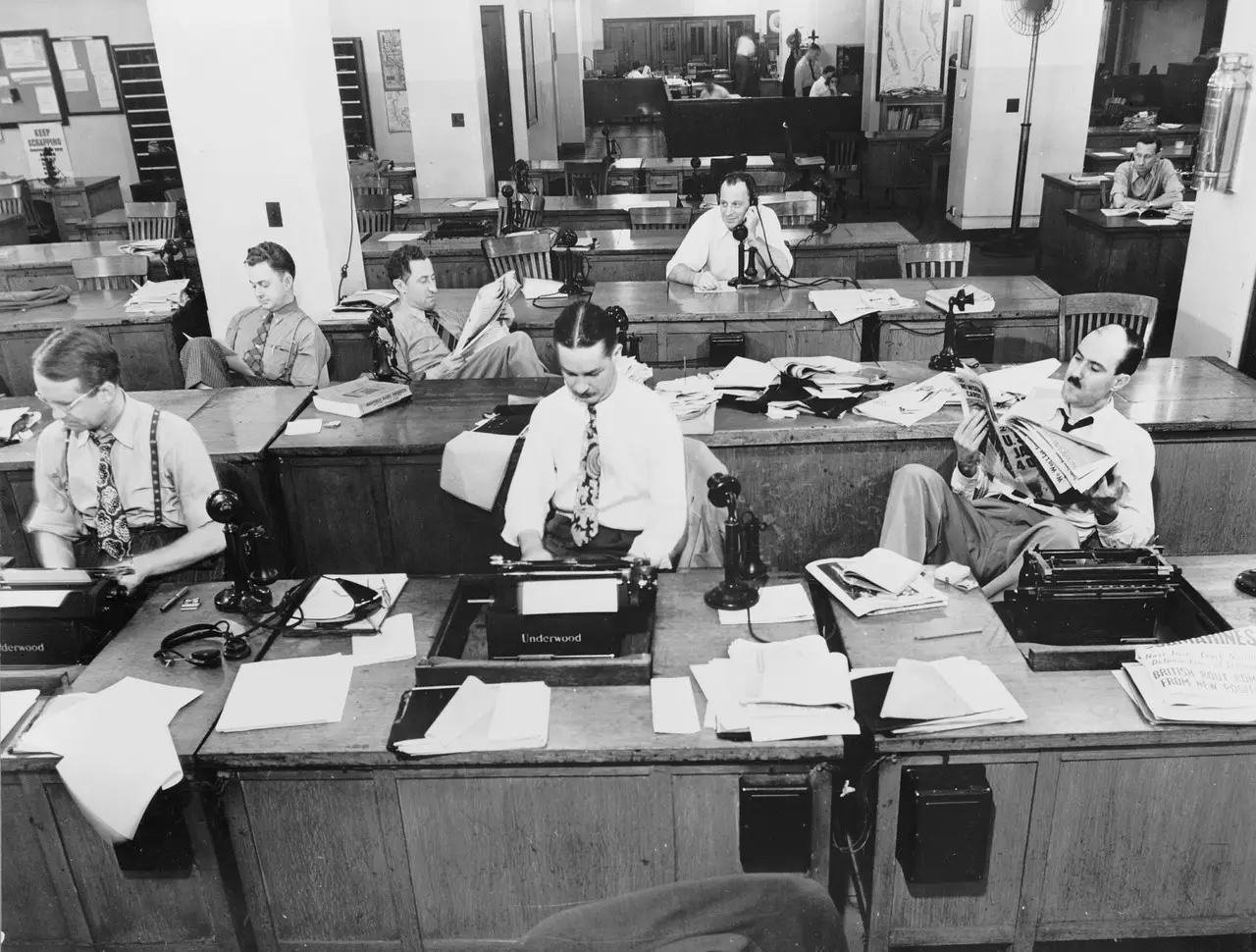
A former agency photographer, writing on PetaPixel, framed the cuts through the memory of an editor he calls Gary. "I would speak to Gary every morning when he assigned me jobs for the day, talking me through what was expected and the specific set of photos I needed to produce," he recalls. After he wired the pictures, Gary would tell him whether he had done a good job or a terrible one — and then push back on the work itself.
What does a photo editor actually change for a photographer?
Gary would reframe the photographer's images, change the crop, cull frames, or call and ask for a different angle. That daily friction, the writer argues, is where young photographers learn the job. He was also a newsroom leader who worked with the news editor to shape stories, pitched ideas, and sold the agency's work. His nicknames, silly jokes and vivacious personality carried staff morale; not everyone liked the owners, but everyone liked Gary.
That relationship ended when the agency was bought out and Gary moved to a new hub hundreds of miles away. The new regime was different, and the photographer left soon after. The anecdote stands in for the structural change now happening at scale.
What is AP losing beyond the headcount?
AP photo editors carry a specific institutional history. The writer points to the Napalm Girl photograph: when editor Carl Robinson decided not to wire Nick Ut's image, Horst Faas and Hal Buell overruled him — and one of the Vietnam War's defining pictures reached the world. Editors have long advocated for photographers while seeing the bigger editorial picture that a shooter in the field cannot.
The writer is careful to separate the geography from the talent. "It's not a question of whether talented photo editors exist in India. Of course, they do," he writes. The loss he identifies is local knowledge: an editor who understands the domestic news environment, knows photographers personally, and builds relationships over years of working together.
Why did AP make the move?
The economics are blunt. Photo editors do not attend a news story in person; in principle they can sit anywhere. In a globalized industry, the writer notes, workers in developing countries are technically in competition with US staff. Agency bosses who once raked in vast sums now face lousy picture rates from a fractured market. Offshoring the desk is financially rational on those terms.
The long-term consequences are the open question. Photographers like the writer's younger self will have fewer chances to benefit from a mentor like Gary. Bosses now expect photographers to arrive fully formed — someone they can rely on no matter what — and while plenty of great photographers meet that bar, all of them cut their teeth somewhere. As the writer puts it, the ladder for the younger generation is being removed.
For AP, the immediate test is whether a 100-strong Noida hub can hold the editorial judgment that once overruled an editor to wire Nick Ut's photograph. For everyone else, the question is where the next generation of agency photographers now learns which frame matters.
Key points
- AP cut all eight remaining US photo editor positions this week
- The roles move to AP's hub in Noida, India, slated to grow to 100 staff including video producers
- The Napalm Girl photo reached the wire only because Horst Faas and Hal Buell overruled an editor's decision against it
- PetaPixel writer describes losing his mentor editor after an agency buyout
Original: depositphotos.com
James Calloway
Show full bio
Market editor covering people, launches and day-to-day practice in Photography exhibitions, photographers, photo books, festivals and awards at Lens Gazette.