A Two-Voice Florida: Samoylova Meets Evans at the Met
A two-voice Met exhibition pairs Anastasia Samoylova's contemporary color Florida with Walker Evans's 1940s vernacular — same peninsula, different climate, same undertow.
Updated
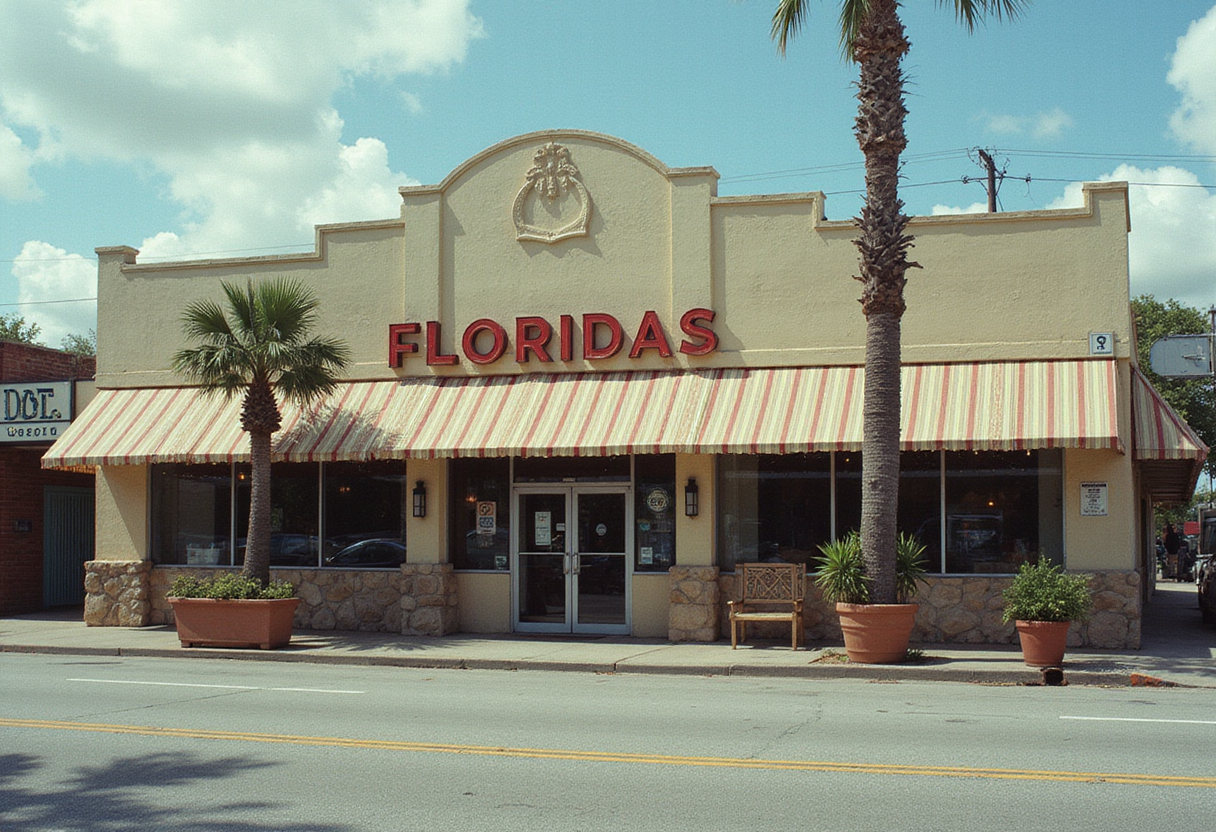
The Metropolitan Museum of Art will stage "Floridas: Anastasia Samoylova and Walker Evans," a two-voice exhibition pairing one of the 20th century's most canonical American photographers with a contemporary colorist working roughly seven decades later. The shared subject is the peninsula as a stage for American weather, commerce, and architecture — and, by extension, the nation's argument with itself.
Who are the two voices?
Walker Evans (1903–1975) first photographed Florida in 1935 on assignment from the Farm Security Administration, returning in 1941 for Fortune magazine. The second trip produced the Vero Beach and Lakeland frames that fixed his reputation as the dean of American documentary practice. His subjects: signage, facades, parked cars, porch light — the deadpan American vernacular.
Anastasia Samoylova (b. 1984) arrived in Florida as a tourist and stayed for the light. Her project "Floridas," published by Aperture in 2020, threads her saturated color pictures — coastal high-rises, suburban cul-de-sacs, bleached skies, theme-park detritus — against Evans's older black-and-white frames. The conceit is echo, not homage: same peninsula, different climate, same undertow.
What does the pairing actually do?
Hanging the two bodies in conversation tilts the question from "then and now" toward something more useful: then, and again. Evans's pictures stop reading as endings. Samoylova's stop reading as novelty. Together they argue, gently, that Florida is a permanent American subject — too charged, too economically over-determined, and too visually excessive to be left to one generation.
How does technique carry the argument?
Evans worked almost exclusively in black-and-white, often with a large-format view camera, treating each frame as a small civic document. Samoylova works handheld, in color, leaning into the saturated post-Instagram vernacular. The Met has clearly chosen not to paper over the technical gap. Side by side, the older pictures look like drafts; the newer ones look like the climate they describe.
The contrast also clarifies each artist's hand. Evans's patience reads as moral weight. Samoylova's mobility reads as moral velocity. The show, by all signs, lets both readings stand.
Both approaches share a refusal of Florida-as-postcard. Evans's facades do not invite the viewer in. Samoylova's high-rises and theme-park horizons do not sell the visitor anything either. The shared cold shoulder is, perhaps, the exhibition's true subject.
What is at stake for the Met?
The institution has spent the past decade rebuilding its photography program around the conviction that the medium's history is a live argument, not a chronology. A show that places a contemporary colorist in direct dialogue with a documentary patron saint fits that brief neatly.
It also gives Samoylova the institutional daylight that critics have argued she deserves since the 2020 Aperture monograph. Her work has circulated through a decade of group shows, art fairs, and modest solo exhibitions, but a Met wall is a different kind of signal — and a different kind of market.
For Evans, the show is more a reconsideration than a rediscovery. The implicit case is that his Florida work is not the coda but the first draft of a problem we have not stopped photographing. Whether the Met's audience buys that reframing is a different question, and one the show itself declines to answer.
Why Florida keeps resisting the picture
Florida resists the easy narrative. It isn't a place; it's a condition — sun-bleached, financially over-determined, demographically in motion, and visually extravagant in ways that trip up any photographer who arrives with a thesis. Evans knew this and refused the postcard. Samoylova knows this and refuses the catalogue. The Met, by all signs, refuses both.
What the show cannot yet say is where this refusal leads next. If Evans is the first draft and Samoylova is the second, the third is somebody's problem.
Key points
- The Metropolitan Museum of Art stages 'Floridas: Anastasia Samoylova and Walker Evans'
- Walker Evans (1903–1975) first photographed Florida in 1935 on a Farm Security Administration assignment and returned in 1941 for Fortune magazine
- Anastasia Samoylova (b. 1984) published her project 'Floridas' with Aperture in 2020
- The exhibition pairs Evans's 1940s black-and-white vernacular with Samoylova's contemporary color work
- Samoylova's color frames cover coastal high-rises, suburban cul-de-sacs, bleached skies and theme-park detritus
Source: Google News: photography exhibition
Olivia Hart
Show full bio
Staff writer covering people, launches and day-to-day practice in Photography exhibitions, photographers, photo books, festivals and awards at Lens Gazette.