Virginia Museum of Fine Arts Receives Gift of Nearly 2,000 Photographs
The Virginia Museum of Fine Arts in Richmond has received a major gift of nearly 2,000 important photographs, an accession that materially reshapes the scale of its photography holdings.
Updated
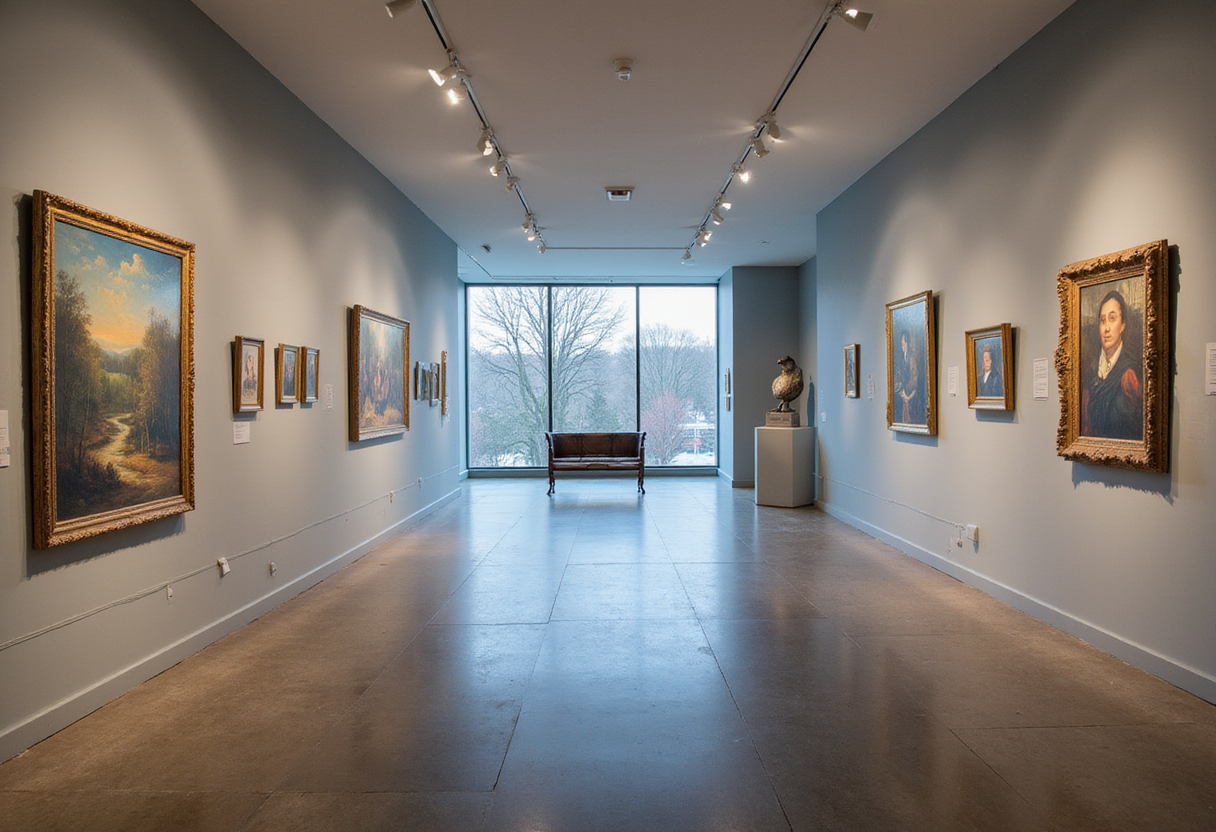
The Virginia Museum of Fine Arts in Richmond has received a gift of nearly 2,000 photographs, a donation on a scale that few American museums absorb in a single gesture. For an institution whose photography program has long operated within the broader currents of its encyclopedic collections, an accession of this size reframes the museum's standing almost overnight.
The museum has described the photographs as important works, and the number alone tells much of the story. A gift of nearly 2,000 photographs is not a supplement to a collection; it is a collection in itself. When donations reach this magnitude, they tend to arrive as formed bodies of work — the product of decades of sustained connoisseurship by a private collector or collecting partnership, with strengths, gaps, and obsessions that curators must then map against the museum's existing holdings.
The practical consequences will unfold over years. Each print must be catalogued, condition-checked, and researched before it can enter the galleries or study rooms. Photography, more than most media, rewards this slow work: a print's date, paper stock, and photographic process can shift its meaning and its art-historical position. Museums that receive large photographic gifts typically respond with a sequence of Study Gallery installations, scholarly catalogues, and rotating exhibitions that let audiences see the material in coherent argument rather than as a single celebratory unveiling.
Gifts of this scale also carry institutional weight beyond the walls of the receiving museum. They signal to other collectors, dealers, and foundations that the museum's photography department is a serious destination for works — a reputational effect that often compounds, bringing further donations in its wake. The history of photography in American museums has repeatedly turned on such moments: the medium's institutional canon was built less through purchase budgets, which for photography were historically thin, than through the concentrated generosity of collectors who chose one museum as the final home for their life's work.
The Virginia Museum of Fine Arts, situated on Richmond's Boulevard as part of the city's museum district, has in recent decades positioned itself as one of the Southeast's most ambitious comprehensive art institutions. Photography has been part of that ambition, and a near-2,000-print accession gives the department new depth — the kind that allows curators to mount monographic exhibitions, to juxtapose historical and contemporary work in sustained dialogue, and to lend generously to peer institutions.
What remains to be seen is how the museum will present the gift. The announcement names the scale of the donation; the interpretive work — which photographers, which periods, which national traditions dominate the group — will determine whether the gift reads as a canonical survey or as a distinctive, personal collection with its own logic. Both outcomes can energize a museum, but they demand different curatorial strategies.
For now, the fact stands on its own: nearly 2,000 photographs have a new permanent home in Richmond. As the Virginia Museum of Fine Arts processes, studies, and gradually exhibits the collection, observers of the medium will be watching for the first focused installations — the moment when a private accumulation of photographs becomes a public resource for the study of the medium's history.
Key points
- The Virginia Museum of Fine Arts in Richmond received a gift of nearly 2,000 photographs
- The museum has described the donated works as important photographs
- The gift represents a major single acquisition for the institution's photography holdings
Source: Google News: photography museum
James Calloway
Show full bio
Market editor covering industry trends and analytics at Lens Gazette.