Week in wildlife: Scottish beavers return and dormice show signs of recovery
Six beavers released at Loch Ness, dormice down 59% since 2000 but recovering, and giraffes running the Serengeti: the week in wildlife photographs.
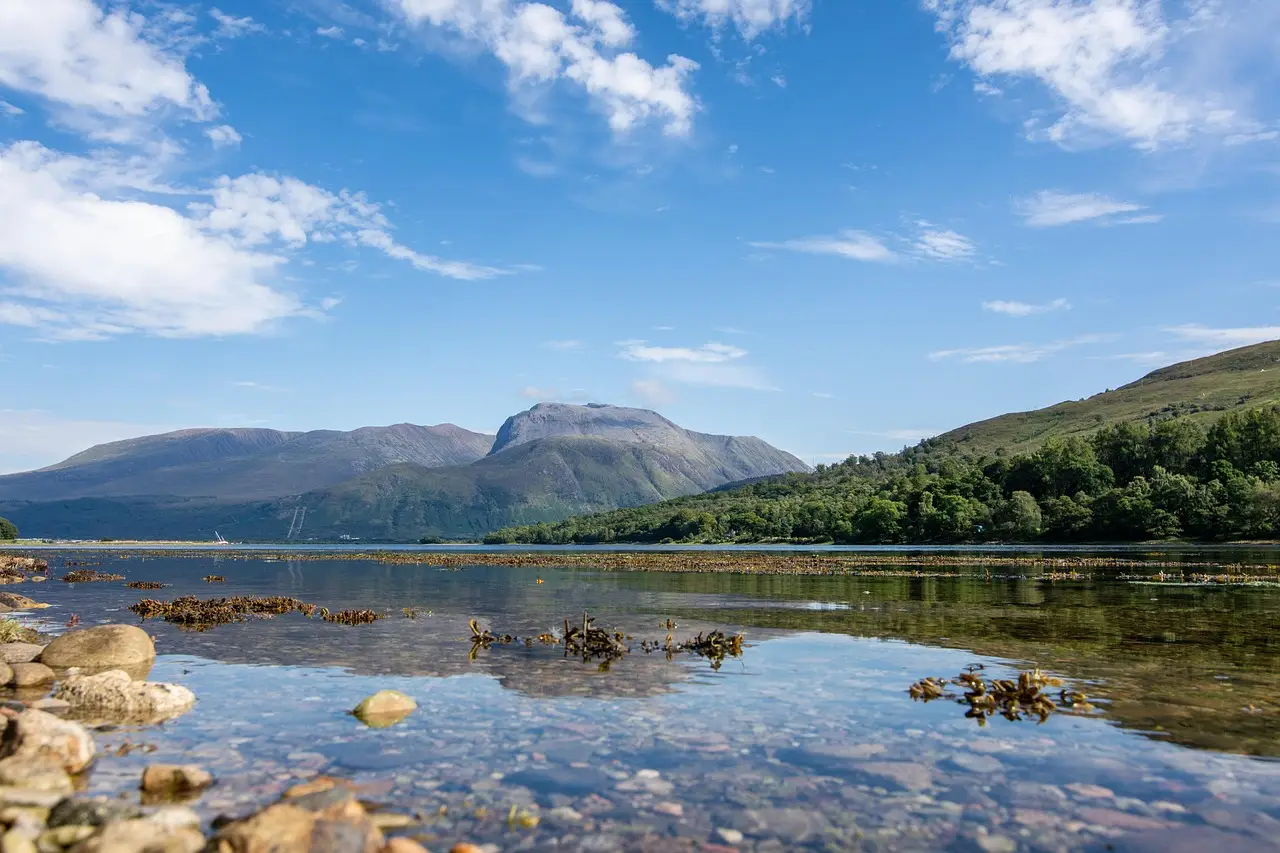
A family of six beavers has been released into the Loch Ness catchment at the Dundreggan estate in Glenmoriston, Scotland, with fifteen more families set to follow into nearby waterways over the next few years. Jane Barlow's photographs of the release anchor this week's Guardian wildlife selection, published Friday 13 November 2026 and edited by Joanna Ruck. The reintroduction marks one of the most consequential beaver translocations in Britain this decade.
The Scottish story is the news spine of the week. The quieter headline sits in England: hazel dormice have declined by 59% across the UK since 2000, but recent population upturns offer cautious optimism for the rare species. Clare Pengelly's image for the People's Trust for Endangered Species shows a dormouse gripping a branch — a conservation portrait doing double duty as evidence.
What did the cameras catch this week?
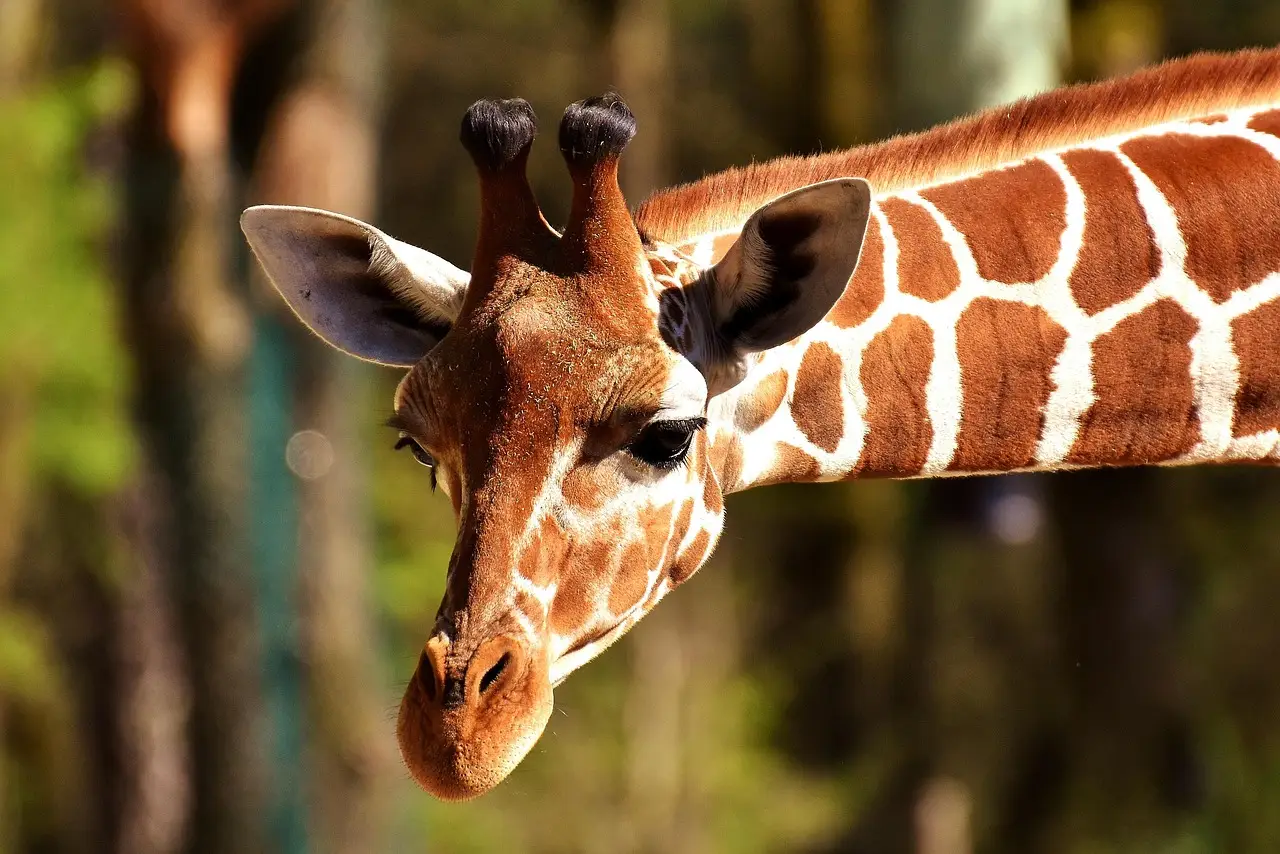
The roundup spans four continents. Gent Shkullaku supplies two frames from Serengeti national park in northern Tanzania: hippopotamuses wallowing in a pond, and Maasai giraffes running with zebra and wildebeest. The giraffe image is the week's strongest action frame — long legs mid-stride, dust and mixed herd behind.
From Pobitora wildlife sanctuary in Assam, India, Anuwar Hazarika contributes two photographs:
- A group of ashy woodswallows perched in a close line on a power line
- An Indian one-horned rhinoceros grazing
The power-line detail matters. It's the kind of frame that quietly records how wildlife and infrastructure now share space, a recurring theme across this week's selection.
Where did animals and people collide?
In Nara, Japan, Guy Bell photographed a deer trotting through a shopping mall. Sika deer hold special status in the city, believed to be messengers of the Shinto gods, and roam almost anywhere. The mall image is disarming, but it documents a real coexistence policy rather than an accident.
In Warsaw, Sergei Gapon caught a peacock strutting past Polish honour guard soldiers before the informal meeting of foreign ministers of the Council of the Baltic Sea States and Ukraine. State ceremony meets wandering bird. It shouldn't work as a news photograph. It does.
Auckland delivered the week's strangest scene. Shannon Grange photographed a large swarm of bees flying from car to car in the New Zealand city, which is in the midst of an unusually large bee-swarming season. Experts say mild weather during the winter just gone exacerbated it.
Which frames reward a longer look?
The UK contingent holds its own. Ken Jack's robin perched among holly berries at RSPB Loch Leven in Kinross, Scotland is, as the caption notes, ready for its Christmas card closeup. Joe Giddens found a mute swan reflected in a boating lake at Abington Park, Northampton — a composition built on the mirror, not the bird. Christopher Furlong's pheasants in fog near Knutsford, Cheshire, do more with weather than most frames do with light.
Turkey supplies two of the more disciplined natural-history images. Muhammed Onur Yavruturk photographed a wild goat scrambling down a cliff face in Erzurum. In the Tigris valley near Diyarbakir, Bestami Bodruk caught an African migrant butterfly — also known as the pioneer white — beside a caterpillar on a dried plant stem. The species lays its eggs on caper leaves, which feed the caterpillars after hatching. It's life-cycle documentation compressed into a single frame.
James Modesto's white-throated kingfisher in Hong Kong's Tsing Yi park perches, startlingly, on an egret statue — a photograph that plays the living bird against its carved double, looking, as the caption puts it, like yet unlike its UK cousin.
What does this change for conservation photography?
The dormice numbers and the Loch Ness beaver release show the format's value: a weekly picture gallery can carry hard conservation data without losing viewers. With fifteen beaver families still to come and dormouse populations tentatively rising, expect these two stories to return in future instalments.
Key points
- A family of six beavers was released into the Loch Ness catchment at Dundreggan estate, Scotland, with 15 more families planned.
- Hazel dormice have declined 59% in the UK since 2000, but recent upturns offer cautious optimism.
- Auckland is experiencing an unusually large bee-swarming season, worsened by a mild winter.
- The Guardian's weekly wildlife selection was published on 13 November 2026.
Source: theguardian.com
Marcus Bennett
Show full bio
Correspondent covering companies, deals and strategy in Photography exhibitions, photographers, photo books, festivals and awards at Lens Gazette.