Wildlife Photographer of the Year arrives in Adelaide
Wildlife Photographer of the Year opens at Adelaide Botanic Garden on 3 November 2026, pairing global wildlife images with a rainforest conservatory through 31 January.
By Olivia Hart
The Wildlife Photographer of the Year exhibition opens at Adelaide’s Bicentennial Conservatory on 3 November 2026 and runs daily until 31 January 2027.
The daily schedule runs from 10am to 4pm. Admission costs $14 for adults, $12 for students and nothing for children under 12; visitors may book ahead or buy at the door.
Set within the lush rainforest conservatory at Adelaide Botanic Garden, Plane Tree Drive, the touring exhibition has travelled from London’s Natural History Museum. The InDaily South Australia listing calls it globally renowned, a useful signal of institutional pedigree but still promotional language rather than an independently tested verdict.
What does the show put on view?
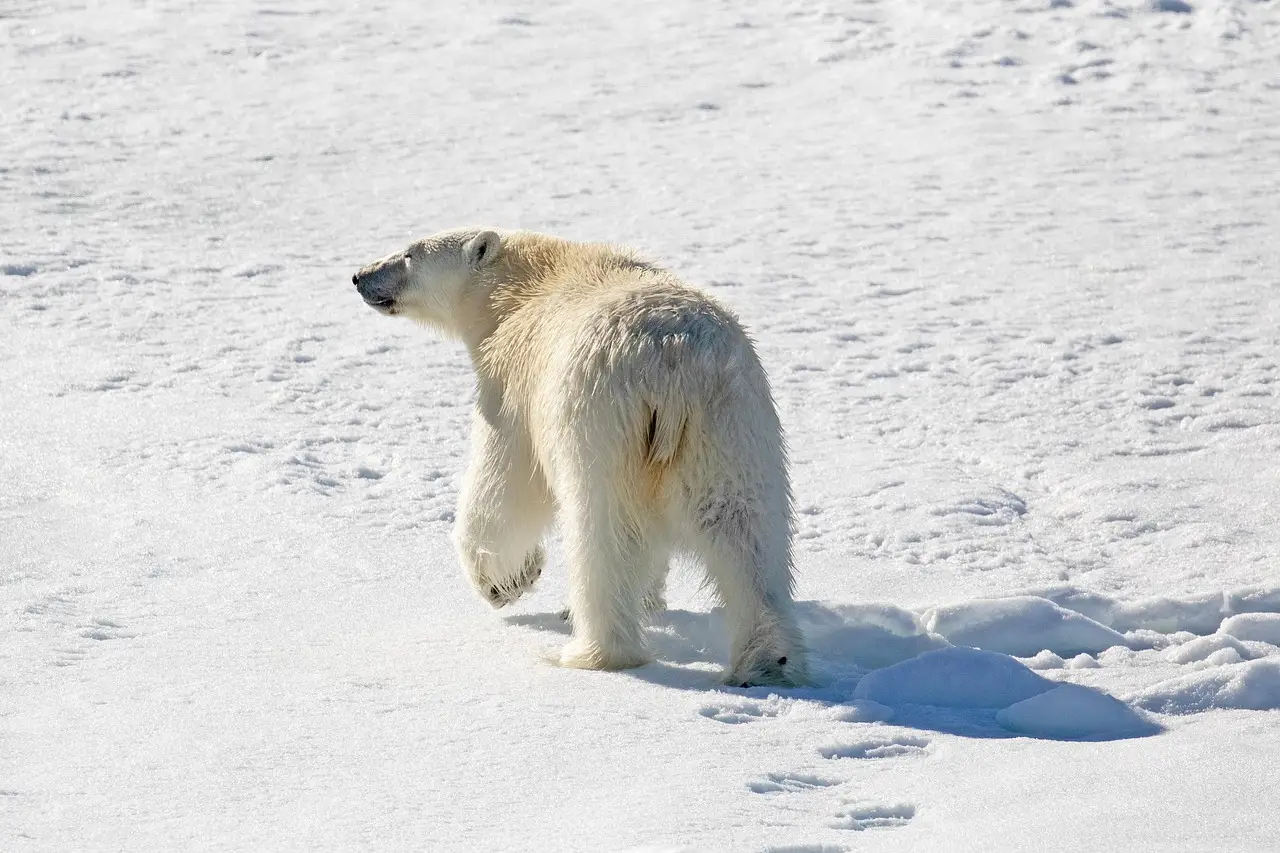
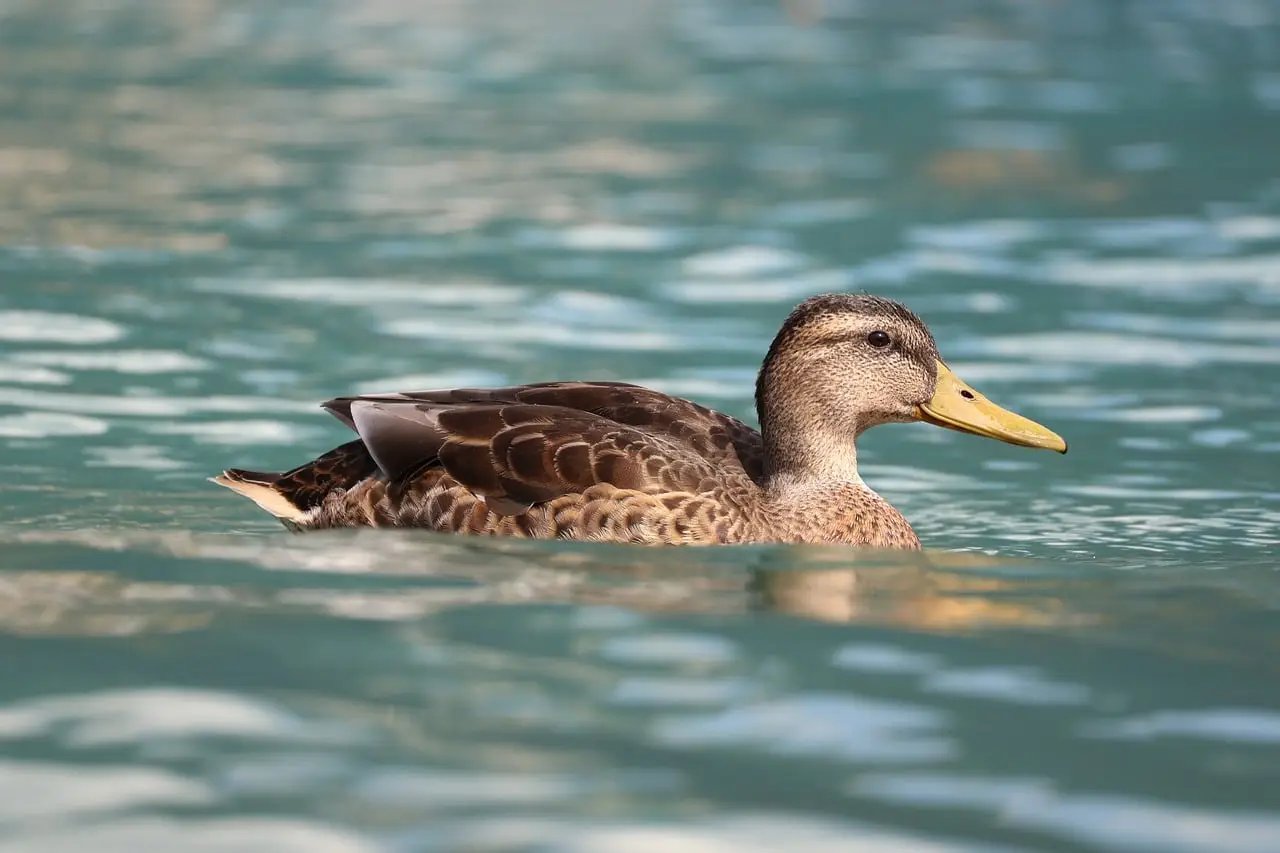
The Adelaide programme describes the selection as “some of the world’s most extraordinary nature photography,” made across planet Earth by award-winning photographers. Its stated route runs from frozen Arctic landscapes and vast oceans to remote wilderness areas and urban habitats.
The promise is breadth. According to the listing, visitors will meet creatures they may not know and see “familiar wildlife doing unfamiliar things,” alongside images offering natural beauty and stories of survival. Wonder supplies the lure; survival adds the less comfortable charge.
That breadth underpins the listing’s promise of a fresh perspective on the natural world. Whether unfamiliar species, unexpected behaviour and distant habitats actually alter how visitors see familiar wildlife will depend on the selection and sequence seen.
The show’s colour should arrive as an ensemble of subjects, climates and scales, although the source names no individual photographers, image titles or curator. That omission matters: for a show built around award-winning photographers, advance publicity gives categories rather than a checkable roster.
Why does the conservatory setting matter?
The conservatory is part of the proposition, not merely the address. Visitors will encounter photographs of polar ice, open water, remote land and city environments within dense planting, setting still images against living vegetation. The source does not claim that any work was made in Adelaide; it says the photographs were captured across planet Earth.
The pairing also gives the exhibition a clear institutional context. It arrives through the Natural History Museum in London and finds a second public setting in a botanic garden, presenting international nature photography as travelling natural-history interpretation rather than as a conventional gallery solo.
Its art-historical frame is equally explicit: the multiple-photographer show continues photography’s established public role in natural-history display. Scale becomes the organising idea. Arctic scenes and oceans offer immensity, while the rainforest interior compresses that distance into a bounded room.
Whether the installation heightens that contrast or lets it flatten into a sequence of scenic effects cannot be judged from the event listing, which supplies no installation details. No camera techniques, print processes or named series appear in the source, so any claims about craft would be premature. The event sells subject matter and spectacle; whether individual pictures sustain close looking remains open until the works go on view.
When can visitors come, and what does it cost?
The full run begins on Tuesday, 3 November 2026, and ends on Sunday, 31 January 2027 at the Bicentennial Conservatory, Adelaide Botanic Garden, Plane Tree Drive, Adelaide.
Across its 90 calendar days, the exhibition offers a six-hour viewing window every day. The listing gives no details about timed entry, visitor capacity or peak crowds, which leaves the practical shape of a visit less certain than the ticket prices.
On the published prices alone, two adults and two children under 12 would pay $28; the listing mentions no separate Botanic Garden admission charge. Families get the clearest arithmetic in the event.
The listing positions the exhibition for photography enthusiasts, nature lovers and anyone seeking a distinctive day out. Those are broad audiences for a broad-claims show, but the joining of global wildlife imagery with a rainforest conservatory gives the day a coherent form beyond the usual promotional insistence that it cannot be missed.
Through 31 January 2027, the Adelaide leg of this Natural History Museum tour will test whether a rainforest conservatory can intensify the contrast between global wildlife images and dense plant life; the listing promises wonder, but supplies neither the installation plan nor the photographer roster needed for a firmer verdict.
Key points
- Wildlife Photographer of the Year runs from 3 November 2026 to 31 January 2027.
- The exhibition opens daily from 10am to 4pm at the Bicentennial Conservatory in Adelaide Botanic Garden.
- Admission costs $14 for adults, $12 for students and is free for children under 12.
- The touring exhibition has travelled from London's Natural History Museum.
- Its advertised subjects span frozen Arctic landscapes, vast oceans, remote wilderness and urban habitats.
Source: Google News: photography exhibition
Olivia Hart
Show full bio
Staff writer covering people, launches and day-to-day practice in Photography exhibitions, photographers, photo books, festivals and awards at Lens Gazette.