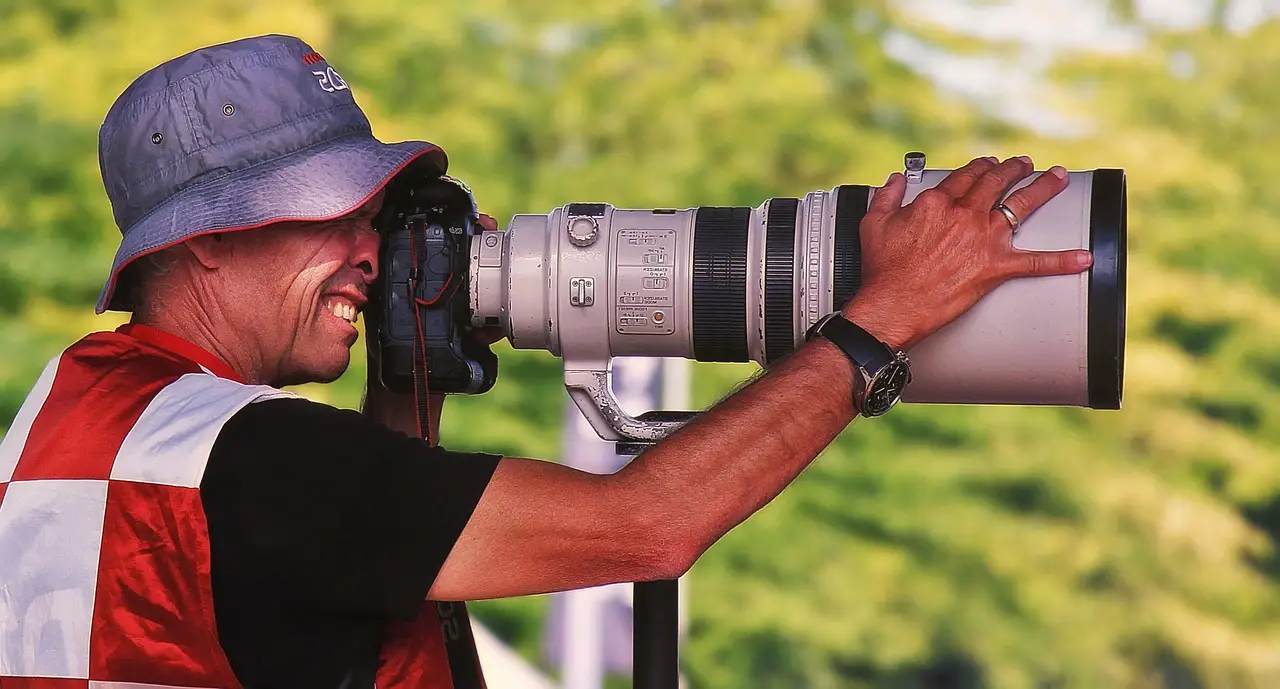
Tiny Titans gathers six years of macro insect photography
Dara Ojo’s 290-page Tiny Titans assembles six years of unstaged macro photographs across five countries, from a Lagos mantis to a wolf spider carrying her young.
Dara Ojo’s 290-page book Tiny Titans: The Silent Keepers of Our Ecosystem gathers six years of macro photography into one volume. The fieldwork spans China, Costa Rica, Canada, Mexico and Nigeria.
Rocky Mountain Books publishes the newly released volume for $45. The practice began during pandemic lockdowns. Six years later, it had become a sustained record of insect and spider life at extreme magnification, without staged subjects.
What keeps Ojo’s practice observational and precise?
While living in China during the pandemic, Ojo began exploring the natural world. Lockdowns shaped the activity, which soon became an obsession for the Nigerian-born photographer. Over the following six years, he photographed insects across five countries.
In an interview with PetaPixel, Ojo states his central rule: “I photograph living creatures in their natural environments.”
He does not harm, manipulate or stage the animals. His aim is to record their behaviour as naturally as possible. Observation becomes both the ethical and editorial measure of the project.
At this scale, a slight breeze, a moving leaf or an insect turning its head can spoil a frame. He then has to start again. Patience, rather than novelty, produces the final image.
At extreme magnification, shallow depth of field can require several frames at different focal points, combined through focus bracketing and stacking to retain the detail he wants.
He often works in the cool early morning, when insects are less active. He also photographs at night, when a different world emerges.
Here, technique serves observation rather than spectacle.
His method avoids harm to the insects and preserves their observed behaviour.
What does the mantis cover establish?
The front cover shows a praying mantis. Ojo photographed it at Lufasi Nature Park in Lagos, Nigeria, where he is originally from. The choice carries personal meaning for him. He remembers the encounter as genuinely fun. He values the insect’s remarkable appearance and expressive movement. The mantis also seems to watch him as closely as he watches it.
The cover does more than advertise the book; it establishes Ojo’s proposition that close observation can turn an unfamiliar insect into a figure of character, wit and reciprocal attention.
In visual terms, the project works within a natural-history tradition. Habitat and behaviour remain central to how each subject is identified. Neither observation nor image-making requires a staged setting. The cover image therefore sets the book’s method: patient encounter, followed by careful assembly of the visible detail.
The mantis shows how close looking can reveal alertness and expression.
What biological relationships do the images reveal?
One photograph in Tiny Titans shows a fungus-infected leafhopper. At first, the image may look strange or unsettling. Behind it lies an extraordinary biological story.
Certain fungi infect arthropods and produce structures that emerge from their bodies. These structures help the fungus reproduce and spread. The photograph documents a biological interaction that Ojo believes many people will never encounter firsthand.
The fungus and spider photographs extend the argument from appearance into behaviour, showing infection and maternal care that isolated portraits would be unlikely to make visible.
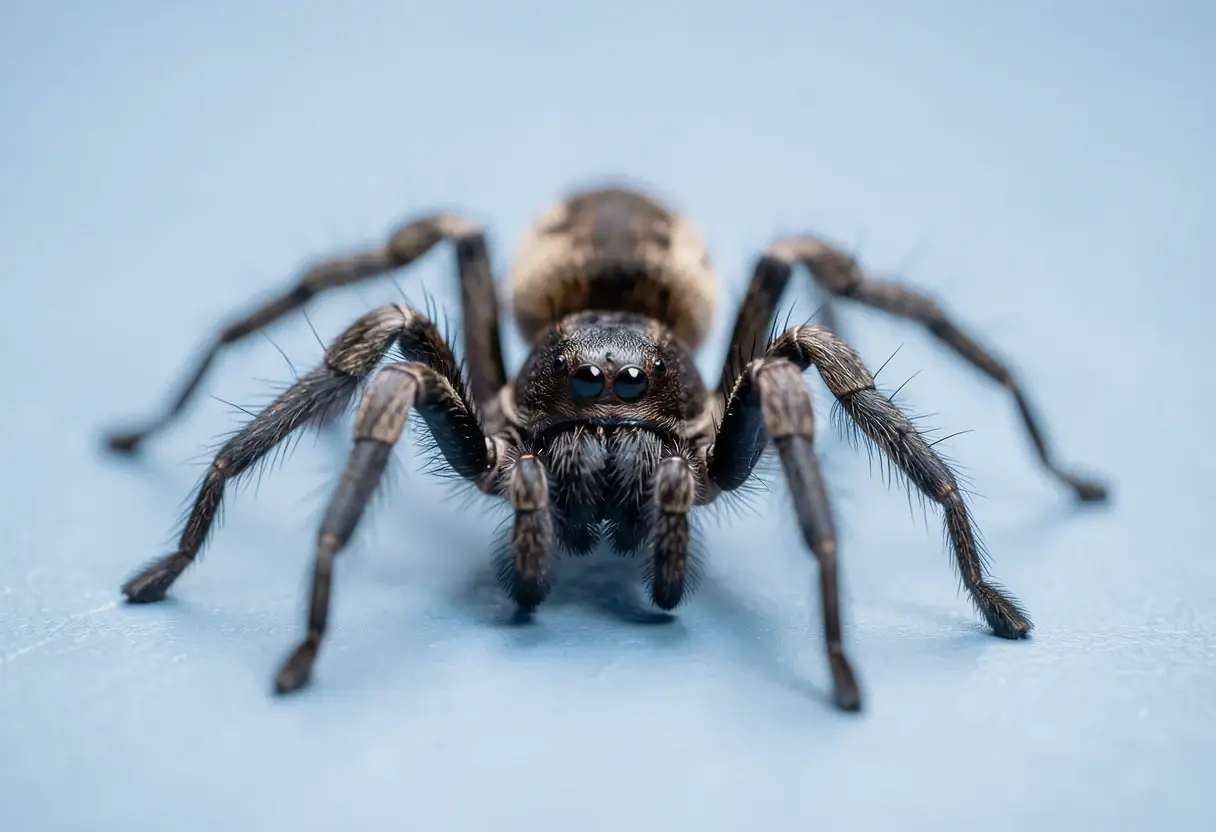
Another image shows a wolf spider carrying her young. For Ojo, spiders rank among the most misunderstood creatures he photographs. He uses the portrait to challenge the association with fear. Alarm gives way to evidence of maternal care.
Ojo says:
“Many people associate spiders with fear, but here is a mother carrying and protecting her young. Female wolf spiders are known for this extraordinary parental behavior, with the spiderlings riding on their mother’s back after emerging from the egg sac.”
He wants that shift to reach curiosity, admiration and perhaps empathy.
The images make strange ecological relationships visible without making them familiar.
What does the publication add?
At 290 pages, the book gives these shifting scales room to develop, while Rocky Mountain Books supplies the publishing frame for a project begun during lockdown.
The strongest images join visible form to an account of behaviour. The title calls its subjects the “Silent Keepers of Our Ecosystem.” The photographs support that claim through relationships rather than spectacle. Macro detail makes an interdependent world visible to readers who cannot inspect it in the field.
As the $45 volume circulates and more of Ojo’s work appears on Instagram and his website, the project points toward a broader record of patient encounters across living habitats.
Key points
- 290 pages: Tiny Titans assembles six years of Dara Ojo’s macro photography.
- Five countries: China, Costa Rica, Canada, Mexico and Nigeria.
- $45: Rocky Mountain Books publishes the newly released volume.
- Three featured subjects: a praying mantis, a fungus-infected leafhopper and a wolf spider carrying her young.
- Nigerian-born Dara Ojo began macro work while living in China during the pandemic.
Original: explorewithdara.com
Grace Kim
Show full bio
Senior reporter covering companies, deals and strategy in Photography exhibitions, photographers, photo books, festivals and awards at Lens Gazette.