A Photo Book Takes Aim at the Word 'Mixed' — and the Thinking Behind It
A new photobook questions the label 'mixed' itself, turning a critical lens on how photography classifies, markets and frames multiracial identity.
Updated
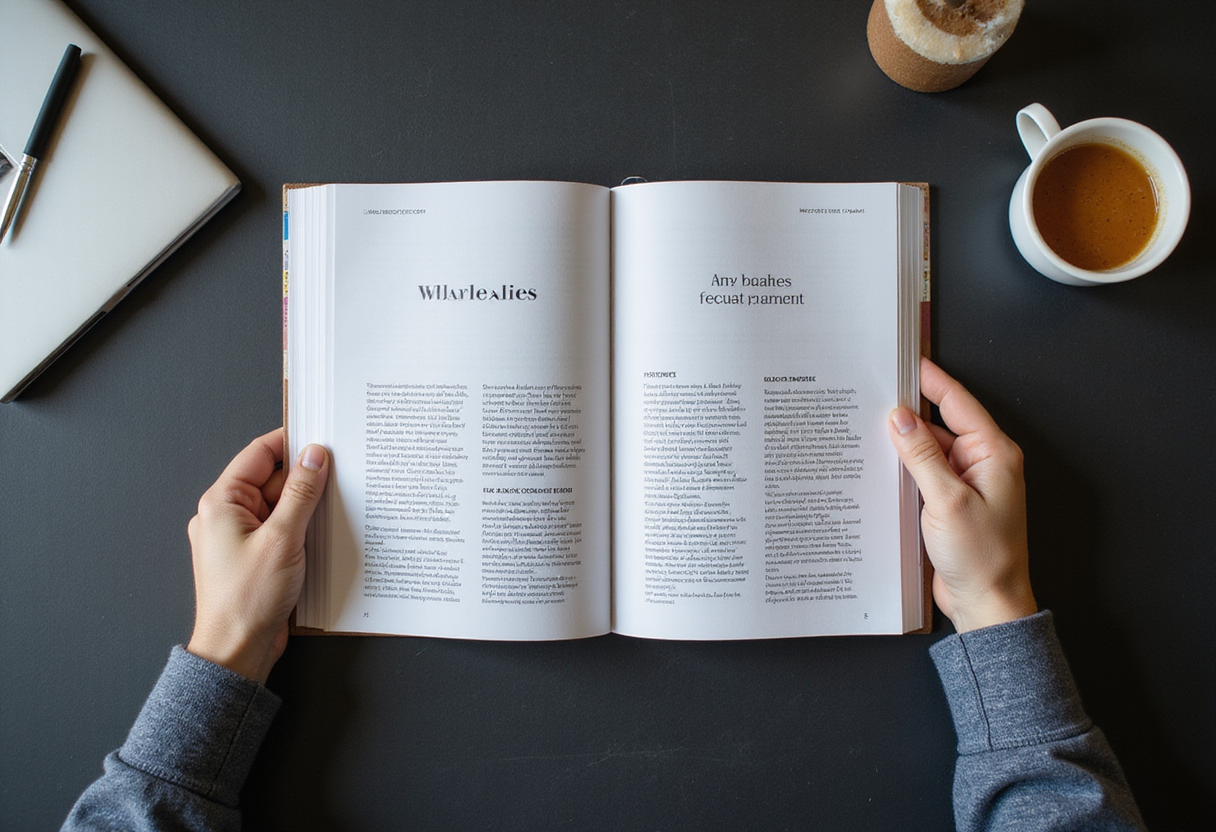
A new photo book is challenging the way audiences, publishers and image-makers think about "mixed" identity, and Dazed has given it a platform to make that argument to a wider readership.
The premise alone marks the project out. Rather than treating mixed identity as a settled category — something to be illustrated, celebrated or catalogued — the book treats the word itself as a problem. It asks what the label "mixed" actually describes, who benefits from its tidy packaging, and what photography has historically done to people who carry more than one inheritance in their face, their name, their family album.
That question has a long history in the medium. Photography has been complicit in the classification of human beings since its earliest decades: composite portraits, anthropometric grids, colonial archives that sorted bodies into types. A book that turns the camera back on those classifying habits — that uses the photobook form to unsettle the very categories photography once enforced — is doing something more interesting than representation alone. It is interrogating the machinery of labeling, not just adding new faces to the roster.
The photobook is the right vehicle for this. A book is sequential, deliberate, and controlled by its maker in a way an exhibition wall or an Instagram grid never is. Editing, ordering, pacing — these are where a photographer builds an argument. When the argument is about identity as something constructed, fragmentary and ongoing, the book's structure can enact that condition: images that refuse a single narrative line, pairings that complicate rather than confirm, captions that withhold as much as they explain.
There is also a critical edge worth naming. "Mixed" identity has become marketable. Advertising campaigns, brand imagery and editorial features increasingly reach for the mixed-race face as shorthand for modernity, openness, a post-racial future that has not arrived. A book that challenges how we think about mixed identity potentially pushes against that flattening — against the conversion of lived, specific experience into an aesthetic asset. Whether it fully escapes the trap is a question the work itself must answer; goodwill and subject matter are not enough. The test is whether the images and sequencing produce real friction with the viewer's assumptions, or merely decorate a familiar liberal sentiment.
Dazed's decision to feature the project matters institutionally. The magazine has long been a conduit between underground photographic practice and mainstream fashion-and-culture audiences, and its coverage can move a small-press photobook from specialist circles into broader public conversation. That attention comes with risk: the same visibility that amplifies the book's challenge can also soften it, reducing a critical project to a shareable identity-affirming artifact. How the publication frames itself in the months ahead — in signings, exhibitions and further press — will show whether its provocation survives contact with the culture industry.
For photographers working on questions of race, family and belonging, the stakes are concrete. Every choice — who is photographed, who speaks in the captions, how genealogy is pictured, what is left out — is an ethical and formal decision. A book that makes those decisions visible, and makes viewers feel their weight, extends what the documentary and autobiographical modes can do.
The project points toward a wider shift. Younger photographers are increasingly rejecting the assignment to "represent" a community in favor of work that interrogates the terms of representation itself. If this book finds its audience, expect more publications that treat identity not as a subject to be documented but as a category to be tested, revised and, where necessary, refused.
Key points
- A new photo book challenges conventional thinking about 'mixed' identity
- The project was featured by Dazed Digital
- The book questions the label 'mixed' as a category, not just representation within it
Source: Google News: photo book award
Olivia Hart
Show full bio
Staff writer covering industry trends and analytics at Lens Gazette.