Soweto Equestrian Centre continues after Enos Mafokate’s death
Enos Mafokate became South Africa’s first Black showjumper in 1975, then founded the free Soweto Equestrian Centre in 2006, where young Black riders care for 20 horses.
By Olivia Hart
South Africa's first Black showjumper, Enos Mafokate, died in Johannesburg in September 2026 at the age of 80; the riding school he founded in Soweto in 2006 still teaches young Black riders who care for its 20 horses. The Soweto Equestrian Centre, a non-profit, is described in this photo essay as the world's only township-based equestrian centre.
What did Mafokate change in show jumping?
Mafokate started as a stable hand and became a world-class athlete during apartheid, reaching a professional level that his skin had appeared to forbid. In 1975, he became South Africa's first Black showjumper.
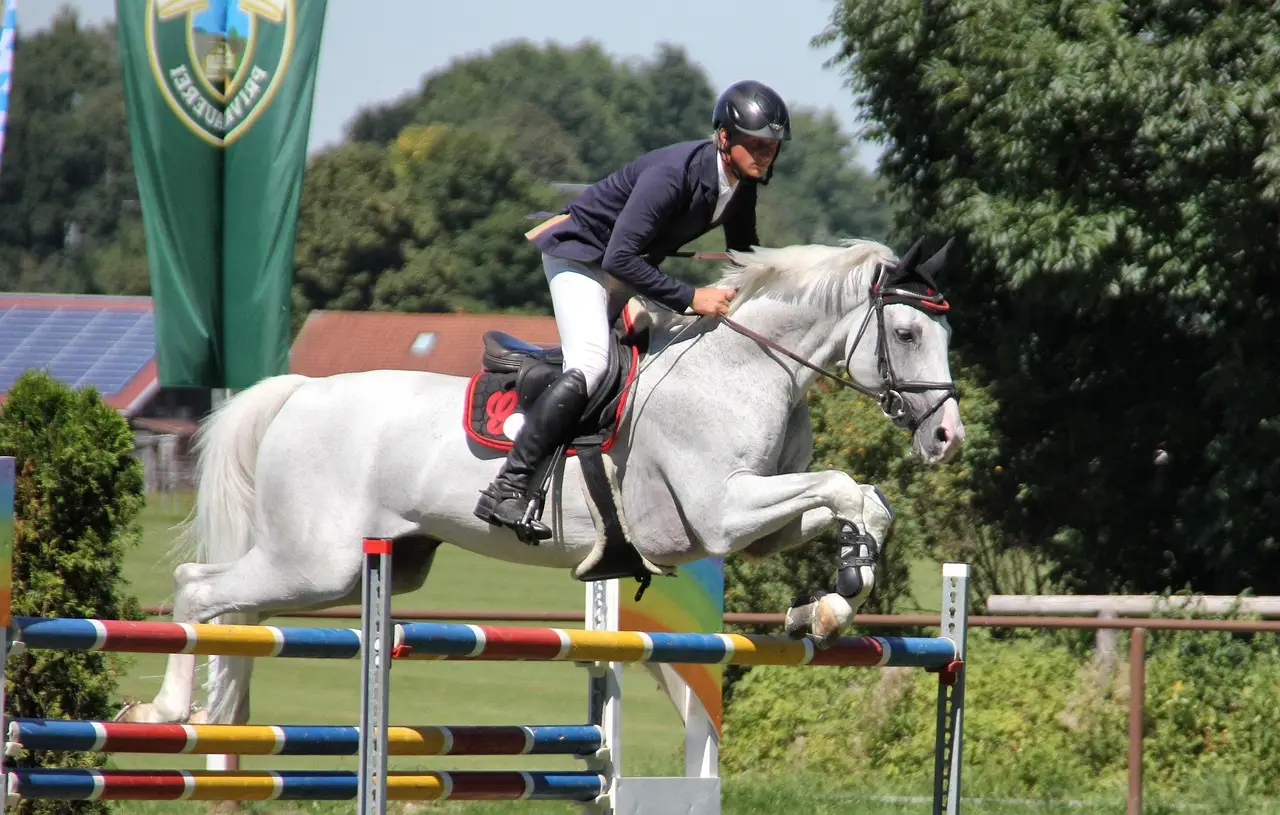
The essay offers one vivid visual detail: a Black athlete draped in a red coat, representing his nation in a historically wealthy sport built around a white elite and a colonial inheritance.
His route there began under threat. As a child living under apartheid, Mafokate faced arrest after being caught riding a white man's horse. In 1992, he attended the Barcelona Olympic Games as a sports ambassador for South Africa, the account says, clearing obstacles while breaking down stereotypes.
His answer to exclusion was institutional rather than personal. In 2006, he founded the Soweto Equestrian Centre to open elite riding to young Black riders who could not afford it and to improve welfare in South Africa's largest township.
The centre welcomes all ages, with particular emphasis on urging Black children to take up a sport long inaccessible to their communities. The essay frames this as decolonising Black communities' relationship with horses: in Soweto, horses still signify labour and haulers, and exposure beyond that role is scarce.
Why does free tuition matter when 33% are unemployed?
South Africa marked 30 years of democracy in 2024, yet the abolition of apartheid has not eradicated racism or inequality, the essay argues. For many South Africans, participation in sport remains an explicitly political act.
For decades, apartheid barred the country from international competitions such as the Olympics and the World Cup because it refused to desegregate teams. How far a sport diversifies has therefore become an indicator of political progress, while the economy remains unforgiving: South Africa has the world's highest unemployment rate, an official figure of 33%, and many young graduates end up jobless or in menial work.
Access to riding, the essay notes, tracks a wealth that developing communities do not have. Equestrian sport's financial barriers run parallel to the country's racial income gaps.
Apartheid ended; the price of entry did not. More than 40% of workers are paid less than £150 a month, according to the account, which makes Mafokate's decision to charge no fees a piece of radical arithmetic. Young riders pay their dues instead by caring for the centre's 20 horses.
Asked what obstacles Black riders in South Africa face, Mafokate said it came down to "culture and cost". His explanation was local and practical: horses in Soweto remain symbols of labour, and exorbitant fees compound the shortage of exposure beyond that work.
The centre's response is to build relationships with horses among children who had been taught, in effect, that the animals belonged to someone else. The essay calls decolonising Black communities' relationship with horses a vital lesson. It is also the difference between a horse as a tool and a horse as a partner.
Can access survive overt racism?
Access did not make the equestrian world uniformly welcoming. As Mafokate grew older, the essay reports, he continued to face racially charged microaggressions and, in some cases, blatant racism within the milieu.
At a 2017 competition, a security guard asked him to show proof of ownership of the horse he was loading into his trailer. The request, the account makes clear, put race before familiarity: whatever his achievements, a Black rider could still be treated as an interloper at his own trailer. The guard's question was cheap; its implications were not.
The centre's wider impact, according to the essay, has been immense, allowing Black young people in Soweto to realise their dreams of competing in a historically colonial sport. The measure of the school, then, is not the fame of its founder but the number of young Black riders who can clear an obstacle in competition.
Mafokate's death at 80 leaves the Soweto Equestrian Centre without its founder but not without its method: no fees, 20 horses and young riders who do the work. The next test is plain — whether more young Black riders can move from the labour line to the start line, as Mafokate intended.
Key points
- Mafokate became South Africa’s first Black showjumper in 1975.
- He attended the 1992 Barcelona Olympic Games as a sports ambassador for South Africa.
- He founded the non-profit Soweto Equestrian Centre in 2006; the account describes it as the world’s only township-based equestrian centre.
- Mafokate died in Johannesburg in September 2026, aged 80.
- The centre charges no fees and has 20 horses; South Africa’s official unemployment rate is 33%.
Source: theguardian.com
Olivia Hart
Show full bio
Staff writer covering people, launches and day-to-day practice in Photography exhibitions, photographers, photo books, festivals and awards at Lens Gazette.