Rafael Pavarotti’s 200-plus prints reframe beauty at MAD Paris
MAD Paris presents more than 200 prints by Rafael Pavarotti, tracing Black and Indigenous visibility, Amazonian influence and the working materials behind his fashion portraits through 2 May 2027.
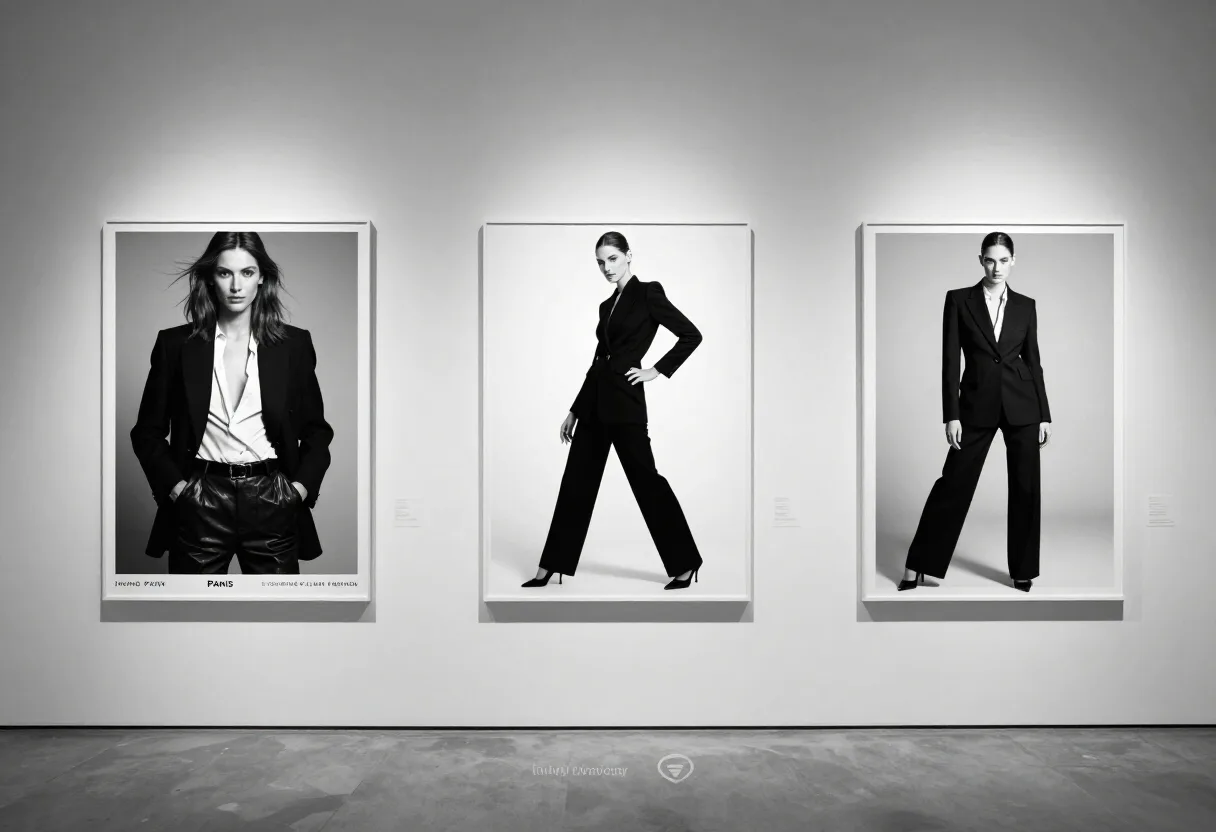
The Musée des Arts Décoratifs (MAD) in Paris has assembled more than 200 photographic prints by Brazilian photographer Rafael Pavarotti for Rafael Pavarotti, Photographer, on view through 2 May 2027.
The exhibition examines his creative journey and contribution to redefining beauty in fashion, with identity, diversity, representation and cultural heritage shaping the account.
Photography carries messages without requiring words. The exhibition presents that proposition as both formal practice and cultural argument, rather than limiting Pavarotti’s work to clothing and aesthetics.
What does Pavarotti’s photography change about beauty?
The exhibition positions Pavarotti as more than a fashion photographer. It places his portraits within a sustained argument about who receives visibility, and on what terms.
His February 2022 British Vogue cover provides the clearest dated example. It featured nine Black African models and used a fashion platform for inclusion.
Across his work, Pavarotti gives greater visibility to Black and Indigenous people. The exhibition describes both groups as historically underrepresented in fashion media. His photographs challenge inherited beauty standards by making difference central to the image.
The show’s claim extends beyond a more diverse cast. It treats fashion photography as a means for questioning who becomes visible, and how.
The exhibition frames that purpose plainly: “Photography can do more than capture the world as it is.” It can, in the exhibition’s stated argument, “challenge the way we see it, question what we take for granted and help us imagine a more inclusive society.”
That proposition extends beyond casting. It asks visitors to encounter an intimate, personal vision of how another person sees and understands the world, allowing different perspectives to widen their experience.
How did family and the Amazon shape the work?
Pavarotti was born in Belém, in northern Brazil, in 1993. He discovered photography at a young age. Family and environment supplied both subject matter and visual vocabulary.
Colourful objects belonging to his grandmother shaped that inheritance. So did the strong women in his family and the natural environment of the Amazon.
Those influences surface in photographs marked by vibrant colour. Dramatic lighting and theatrical composition give the images their force. His portraits make subjects appear powerful, confident and almost mythical.
Clothing therefore serves as part of a constructed identity, not the photograph’s sole purpose. The Amazon also introduces an environmental dimension. The exhibition links culture, nature and fashion’s future.
Which figures and images anchor Pavarotti’s reputation?
He has photographed international figures including Rihanna, Beyoncé and Harry Styles. He has also worked with major luxury fashion houses. Together, these collaborations established his standing in contemporary fashion imagery.
His February 2022 British Vogue cover sharpens that public profile through a deliberate editorial choice. Nine Black African models occupy the frame. The image shows how a fashion platform can make inclusion visible at cover scale.
The exhibition sets fame and visual polish beside identity, diversity, representation and cultural heritage. Visibility becomes part of its formal analysis, rather than remaining attached only to the artist’s biography.
What does the display of process reveal?
MAD Paris places preparatory sketches, magazine spreads and garments alongside the photographs. These objects shift attention from the polished final image. They reveal stages of development and editorial framing around it.
Showing the working materials resists reducing Pavarotti to a signature look. Colour, light and theatrical staging remain central to his practice. The sketches and printed matter join portraiture, fashion publishing and personal memory.
The garments keep material production in view. Their presence prevents fashion photography from becoming an immaterial exercise in style. Identity and image-making remain inseparable.
Does the exhibition sustain its wider claims?
With more than 200 prints, MAD Paris offers substantial evidence for a survey of Pavarotti’s career. Sketches, magazine spreads and garments give that breadth structure.
Its strongest proposition joins a recognisable visual language to subjects whose visibility remains unequal. Family and the Amazon also keep cultural heritage attached to actual sources of inspiration.
Breadth, however, creates a limit. Consistency in colour, forceful lighting and theatrical pose does not establish that every image advances inclusion equally. The British Vogue cover remains the exhibition’s most legible test.
The photographs do more than celebrate difference. Dramatic lighting, saturated colour and mythic presentation turn representation into a question of visual authority. They ask who is allowed to appear commanding, and on what terms.
As the exhibition continues through 2 May 2027, it keeps the Amazon’s environmental dimension and fashion’s future within one institutional frame. The decisive development will be whether that pairing moves beyond thematic acknowledgement toward a sustained account of culture, nature and photographic visibility.
Key points
- More than 200 photographic prints appear in Rafael Pavarotti, Photographer at MAD Paris.
- The Paris exhibition remains on view through 2 May 2027.
- Rafael Pavarotti was born in Belém, northern Brazil, in 1993.
- His February 2022 British Vogue cover featured nine Black African models.
Source: Google News: photography exhibition
James Calloway
Show full bio
Market editor covering people, launches and day-to-day practice in Photography exhibitions, photographers, photo books, festivals and awards at Lens Gazette.