S.J. Tyler's Rediscovered Photographs Head to Oklahoma City
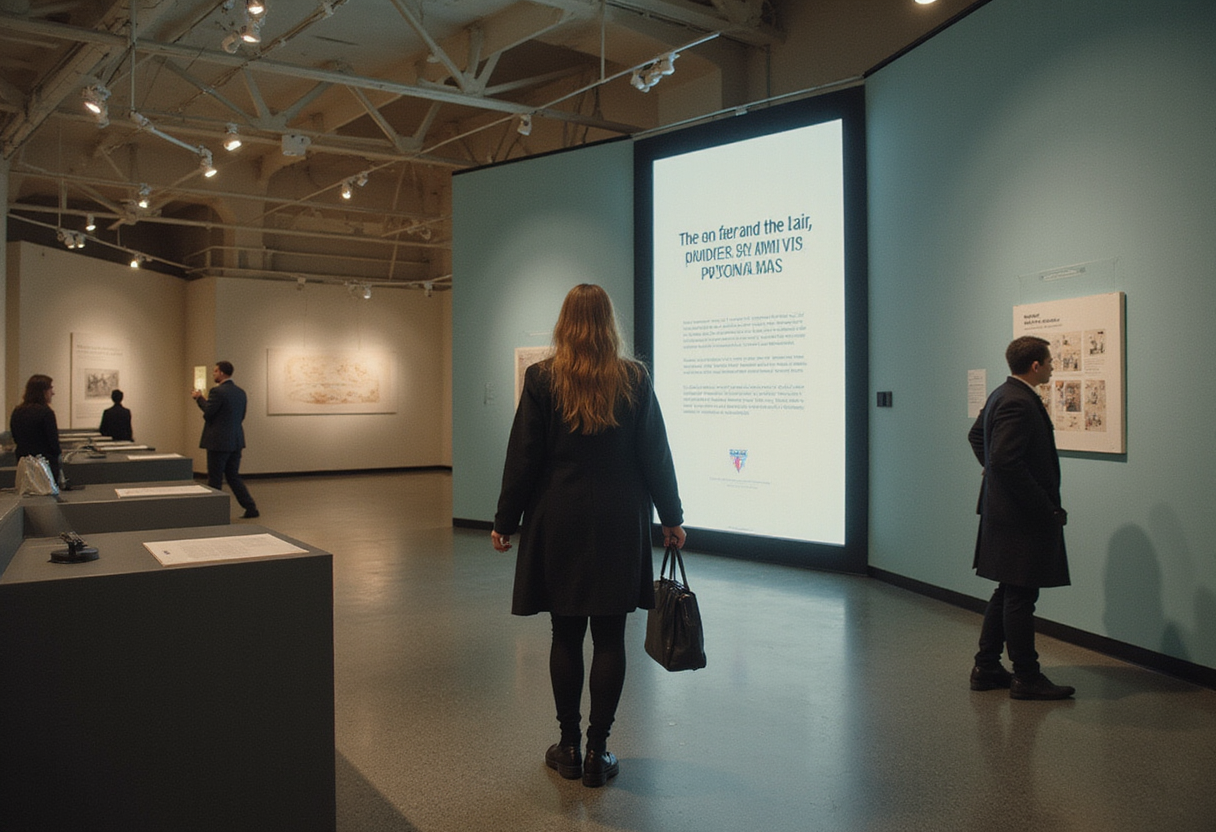
The Oklahoma History Center Museum will exhibit photographs by S.J. Tyler, a maker whose images survived obscurity and now re-enter the state's visual record.
Updated
The Oklahoma History Center Museum in Oklahoma City will stage an exhibition of photographs by S.J. Tyler, a photographer whose work reached the museum only after being rediscovered. That single fact carries the story. A body of images survived its maker's obscurity, resurfaced, and now enters a state institution for public display.
Rediscovery is a distinct category in photographic history. It does not mean an artist was unknown in their lifetime and is now found. It means the material itself vanished — into attics, estate sales, archives without catalogues — and someone recognized its value. The mechanism is usually accidental. A collector, a dealer or a family member opens a box. The work then has to clear a second barrier: an institution must judge it worth exhibition. The Oklahoma History Center Museum has made that judgment.
What does a state history museum do with rediscovered photographs?
The venue matters as much as the work. The Oklahoma History Center Museum collects and interprets the state's past. It is not primarily an art museum. When such an institution shows a photographer's recovered pictures, it frames them as documents first and pictures second.
That framing shapes what visitors will likely see:
- Images read as evidence of place, work and daily life in Oklahoma
- Wall texts that reconstruct who S.J. Tyler was and how the photographs survived
- Context on the period the images cover, drawn from the museum's own collections
- An argument, implicit or explicit, that these photographs fill a gap in the visual record
The takeaway: a history museum exhibits a rediscovered photographer to repair the record, not simply to decorate walls.
Why does rediscovery keep happening in photography?
Photography is unusually prone to this pattern, and the reasons are structural. Prints are durable, multiple and easy to store. Their makers often worked outside galleries — as studio operators, commercial photographers or dedicated amateurs — and left no estate to manage the archive. Names drop away. Prints survive the anonymity.
Historians of the medium know the pattern well. Vivian Maier's negatives, found in a Chicago storage locker in 2007, became the most famous case: an unknown body of work turned into books, films and museum shows within a decade. Mike Disfarmer's small-town Arkansas portraits sat in relative obscurity until a 1976 exhibition and a 2005 republication recast him as a major American photographer. S.J. Tyler's material now enters that same machinery of recovery, at smaller scale and closer to home.
Each rediscovery works the same way. Someone looks at orphaned prints and decides the looking deserves an audience. The decision is curatorial, and it is irreversible once made — the photographer's name re-enters the historical conversation.
What should visitors expect from the Tyler exhibition?
The honest answer is that the exhibition's shape will become clear at opening. The museum has announced the show; it has positioned S.J. Tyler as a recovered name rather than an established one. Visitors should expect interpretation alongside images, because rediscovered work always arrives with questions attached. Who was this photographer? Why did the work disappear? What does it show that the state's official record missed?
Those questions are not weaknesses. They are the reason such exhibitions draw crowds. People come to watch history correct itself in real time.
The exhibition's larger effect will depend on what follows. If the museum acquires the photographs for its permanent collection, S.J. Tyler moves from rediscovered to preserved — and the next historian of Oklahoma will find the name already on the shelf, where for decades it was not.
Key points
- The Oklahoma History Center Museum in Oklahoma City will hold an exhibition of S.J. Tyler's photographs.
- Tyler's photographs were rediscovered after the photographer had fallen into obscurity.
- The venue is a state history museum, framing the images as historical documentation of Oklahoma.
Source: Google News: photography museum
Grace Kim
Show full bio
Senior reporter covering companies, deals and strategy in Photography exhibitions, photographers, photo books, festivals and awards at Lens Gazette.