Prado stages first show on a female art patron: Mariana of Austria
The Prado's first show devoted to a female art patron gathers about 100 objects tracing how Mariana of Austria, Habsburg regent and queen, used portraiture to legitimise her power. Until 28 March 2027.
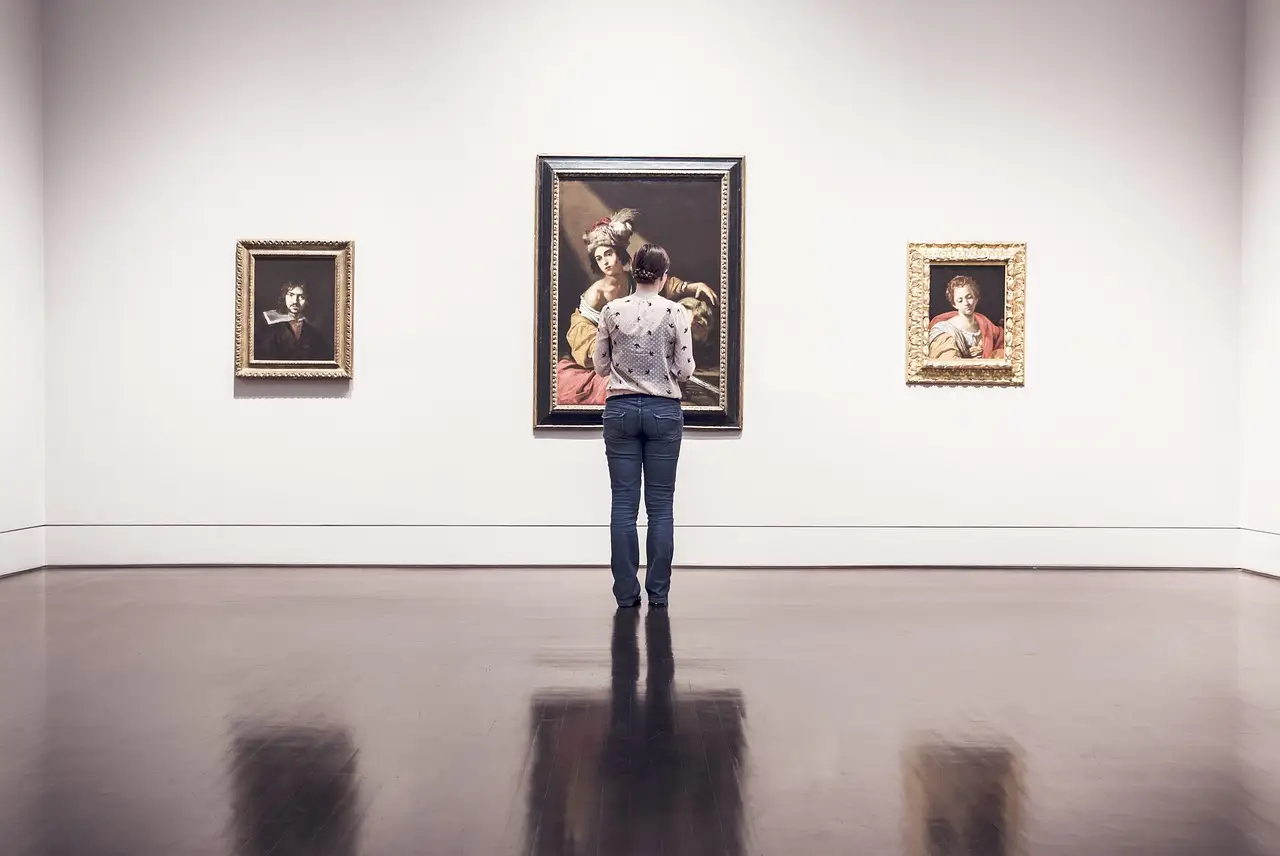
The Museo Nacional del Prado in Madrid has opened its first exhibition ever devoted to a female patron of the arts: Mariana of Austria, queen of Spain and regent for over a decade, runs until 28 March 2027. Roughly 100 objects — paintings, prints, medals and manuscripts — reconstruct the iconography the Habsburg monarch curated to shape her own public persona.
Mariana became queen in 1649 on marrying Philip IV. When he died in 1665, she governed on behalf of their three-year-old son, Charles II, for more than a decade. Her authority was challenged, repeatedly. She was also the last woman of the Habsburg dynasty to exercise governing power within the Spanish court, and she remained a significant figurehead until her death in 1696.
What does the exhibition actually show?
The Prado holds the most comprehensive collection of Mariana's portraits, covering every stage of her life — from her youth as an Austrian archduchess to her late years as queen mother. A full-length portrait by Diego Velázquez, in the Prado collection, served as the model for her official image during the early years of her reign.
Curator Noelia García Pérez, a professor of art history at the Universidad de Murcia, frames the show around the queen's political instincts. "The exhibition reveals a sovereign who was not simply the subject of some of the most celebrated portraits of the Spanish Golden Age, but who understood the political power of images and actively used them to assert and legitimise her authority," she says.
Mariana wasn't alone among European royals in grasping that authority needed visual translation, communicated both domestically and abroad. Several iconographic devices used by her court painters had precedents elsewhere, including among other queens:
- The seated portrait, traditionally associated with ruling princes
- Portraits in which she holds a document, referencing her governing ability
What has research changed?
Preparing the show has shifted the scholarship. Restorations and a reassessment of dates, identifications and attributions have produced a different understanding of the iconography and a deeper knowledge of several works themselves. The exhibition also reunites rarely seen and never-before-exhibited pieces:
- A double portrait of Mariana of Austria and Charles II, on loan from Bečov nad Teplou Castle in the Czech Republic
- A bust attributed to Nicolás de Bussy, recently identified as a portrait of the queen
Shifting meanings
A further section gathers portraits of queens, regents and other female governors who held power within the Spanish monarchy across roughly two centuries. "Seeing these works together reveals how attributes such as the book and the column were passed down and acquired new meanings from one generation to the next," García Pérez says, "gradually shaping a shared visual language in which piety, dynastic legitimacy and the exercise of power were closely intertwined."
The show caps a year in which the Prado focused on three queens — Elisabeth Farnese, Christina of Sweden and now Mariana of Austria — examining not just their tastes but how they used the arts to assert authority. That effort belongs to a decade-long institutional commitment to women's roles in art history, now formalized as The Female Perspective, a long-term programme run in collaboration with the Rijksmuseum in Amsterdam.
What does this change for the field? The next exhibition in the programme will turn to 19th-century female patrons, including Spain's Isabella II. "Ultimately, the ambition of The Female Perspective is not simply to add women's names to an established narrative," García Pérez says. "But to enrich and, where necessary, rethink that narrative."
Key points
- The Prado's first exhibition devoted to a female art patron runs until 28 March 2027.
- Around 100 objects — paintings, prints, medals, manuscripts — make up the show.
- Mariana married Philip IV in 1649 and served as regent from 1665 for over a decade.
- A Velázquez full-length portrait set the model for her official image in the early reign.
- The Female Perspective programme with the Rijksmuseum continues with 19th-century female patrons.
Source: theartnewspaper.com
Marcus Bennett
Show full bio
Correspondent covering companies, deals and strategy in Photography exhibitions, photographers, photo books, festivals and awards at Lens Gazette.