Nan Goldin's First Major Retrospective in 24 Years Opens at London's Hayward Gallery
London's Hayward Gallery opens Nan Goldin's first major retrospective in 24 years, You Never Did Anything Wrong, spanning The Ballad of Sexual Dependency, opioid activism and new extinction-themed work, until 14 March 2027.

The Hayward Gallery in London opens "You Never Did Nothing Wrong" today — wait, the title is You Never Did Anything Wrong — the first major Nan Goldin retrospective in 24 years, and it runs until 14 March 2027. The show stretches from the American photographer's own opioid addiction and activism against the Sackler family to new work on animal consciousness and extinction.
Goldin, born in 1953 to middle-class Jewish parents in Washington DC, has documented sex, love, drug addiction and queer culture with unflinching honesty since the 1970s. Her childhood was turbulent. Her elder sister died by suicide, an act the family took unconvincing pains to pretend was an accident. Goldin was so shy she recalls roughly a year when she didn't speak at all.
How did photography become her language?
When Polaroid donated cameras to the "hippy" school she attended — the only place she wasn't expelled from — she became the school's photographer. "It was my only way to relate to people," she later wrote. "It became my language and my protection." She used photography as a diary, culminating in her most famous work, The Ballad of Sexual Dependency, first shown at New York's Mudd Club during Frank Zappa's 39th birthday party and later set to music by the Velvet Underground and Nina Simone.
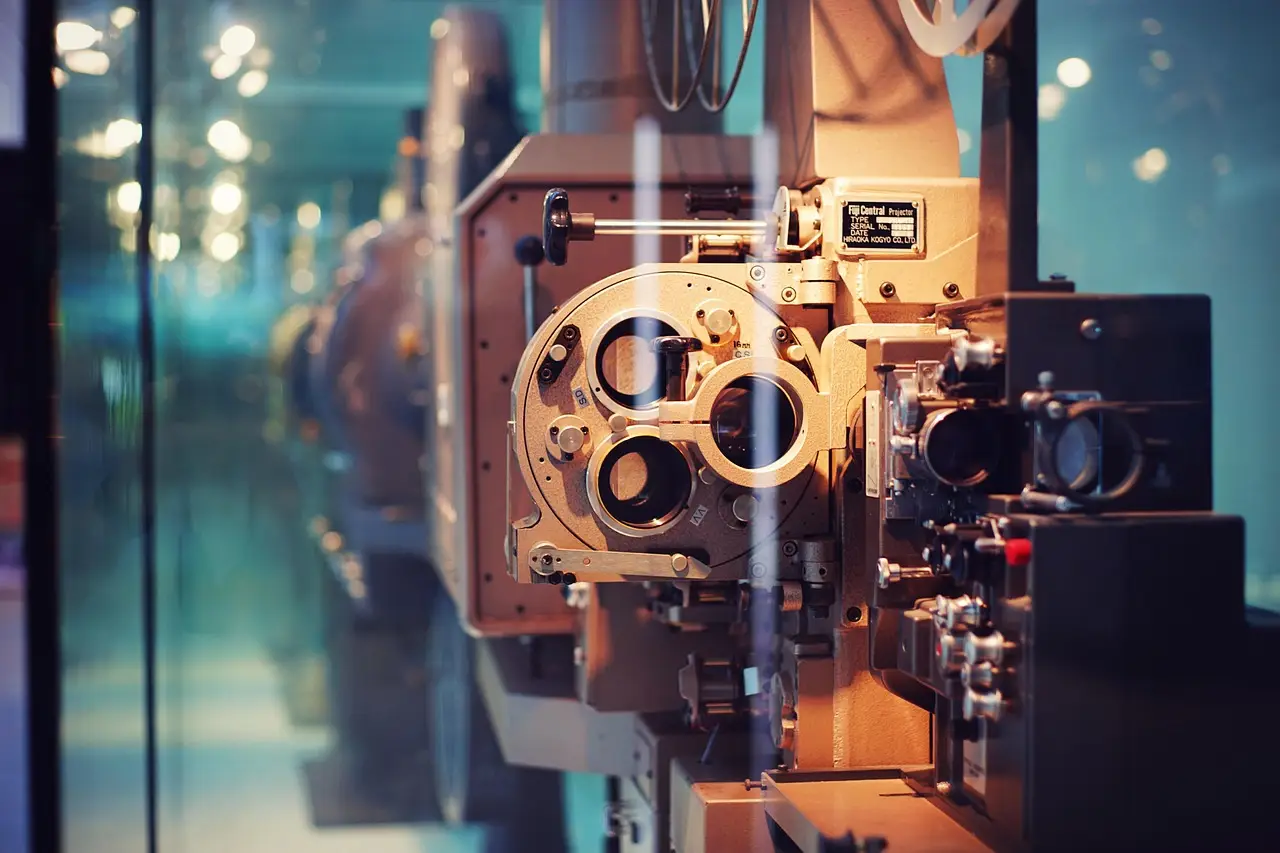
She had always wanted to turn her photographs into films. By presenting photographs as a slide show — initially by simply holding slides in front of a projector — she invented a new way of engaging with images. Her subjects became like Iggy Pop's Passengers in a slow-moving nighttime drama. Her snapshots came from within a world of creative misfits, the ostracised and dispossessed. She didn't try to understand or expose them. She was one of them.
What does the retrospective actually contain?
The show includes Memory Lost (2019–2021), a film exploring her personal history with drugs through slides of scenes from her own life and friendships. Goldin became addicted to medically prescribed Oxycontin after a wrist operation in 2014, and went on to found the campaign group PAIN (Prescription Addiction Intervention Now). The film is dedicated to the group, which campaigns to destigmatise drug use and bring Oxycontin's creators, the Sackler family, to justice. Her campaign of die-ins and pill-bottle drops forced the art world to take notice; the gilt-plated Sackler name was eventually chipped off gallery walls worldwide.
The new late work expands her community to the natural world. The exhibition title itself could be read as an apology to man's most constant victims — Goldin knows those least deserving often bear the brunt of human evil. You Never Did Anything Wrong Part I inhabits a world entirely without humans and is dedicated to an animal rescue centre in the Gaza Strip. Part II comprises found 16mm nature-documentary footage from the 1960s and 70s, threaded with the dread of impending extinction. Eclipses and shadows dominate the darker pieces, showcasing her growing fascination with the sublime. The tone straddles the malevolent consciousness of Hitchcock's The Birds and the lazy personification of our Disneyfied view of nature.
Where does Goldin sit in photographic history?
In a way, she is a successor to William Eggleston. Eggleston exposed the uncanny isolation of "honey I'm home" suburbia; Goldin applies the same process to American counterculture. If ordinary meant gas stations and housewives to Eggleston, to Goldin it was drag queens and hypodermics. Her influence runs from the clinical candour of Wolfgang Tillmans to the vibrant dislocation of Ryan McGinley. Yet despite topping the influential art list in 2022, she has never fitted easily into the art scene. Michel Houellebecq wrote that "access to the artistic universe is more or less entirely the preserve of those who are a little fed up with the world." Goldin refuses to see the world as anything other than it is. "I knew from an early age that what I saw on TV had nothing to do with real life," she said. "So I wanted to make a record of real life."
Her images defined an era of shameless hedonism — iconoclasts hanging onto freedom by their fingernails. A 1989 group show she organised, Against Our Vanishing, was dedicated to the many people lost to drugs and Aids. She has often said she felt she could keep people alive if she photographed them enough, and that in the end these photographs remind her of how much she has lost.
Her work is no longer tribal. It now stretches to encompass the fragility of all life on earth. Goldin spent decades trying to keep alive people drawn toward their own destruction — now, perhaps, we are all in her crosshairs.
Key points
- Nan Goldin's first major retrospective in 24 years opened today at London's Hayward Gallery.
- The exhibition runs until 14 March 2027.
- Memory Lost (2019–2021) explores her Oxycontin addiction after a 2014 wrist operation.
- Goldin founded PAIN, the campaign group that pushed Sackler names off gallery walls worldwide.
- The Ballad of Sexual Dependency debuted at Frank Zappa's 39th birthday party at the Mudd Club, New York.
Source: anothermag.com
Marcus Bennett
Show full bio
Correspondent covering companies, deals and strategy in Photography exhibitions, photographers, photo books, festivals and awards at Lens Gazette.