Pierrot Men retrospective charts post-independence Madagascar
Hakanto Contemporary’s Antananarivo retrospective assembles about 375 photographs by Pierrot Men, linking the 1947 uprising with religious processions, family grief and political change.
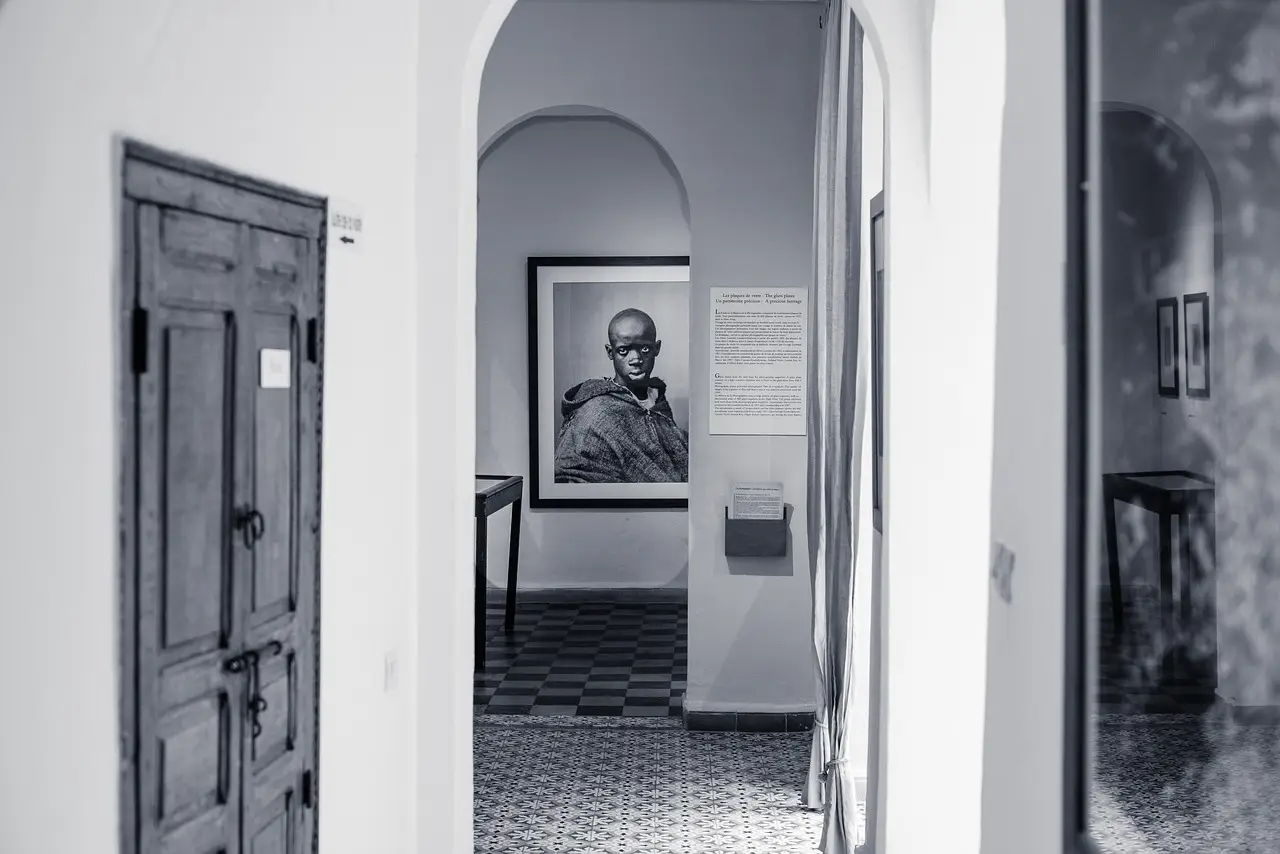
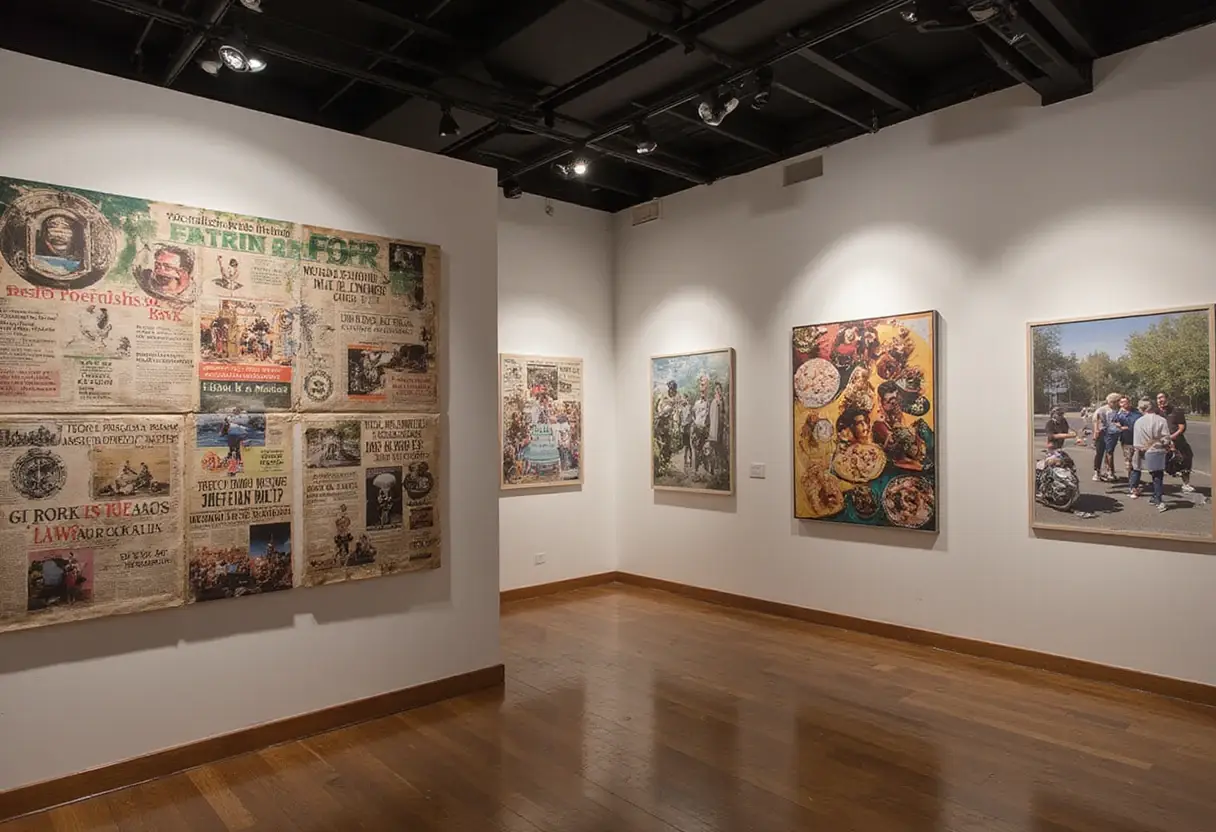
About 375 photographs by Pierrot Men dominate a retrospective at Hakanto Contemporary in Antananarivo: roughly 300 are black-and-white and 75 are in colour. The show, titled Pierrot Men, FOFON’AINA. WINDS OF LIFE. VENTS DE VIE, is on view through 14 February.
The exhibition also includes paintings and other material. Across a photographic career of about five decades, Men has recorded people from all walks of life, landscapes, monuments, cultural and religious events, and his life as a family man. The result is a tender view of violent history, grounded in faces and acts of remembrance rather than spectacle.
What does this change for Malagasy photography?
For Malagasy photography, the practical change is access. Hakanto has brought an extensive record into a single Antananarivo presentation, giving audiences a clearer view of the pioneering, wide-ranging documentarian within the public history of the medium. Visitors encounter roughly five decades of sustained attention to public history, faith and private life, not a single canonical event.
Nine photographs from Portraits of Insurgents (2008–13) anchor the project in the legacy of the 1947 anti-colonial uprising and Madagascar’s independence struggle against colonial France. That framing keeps the exhibition inside the history of nation-making while retaining the family relationships, local rites and losses that shape individual lives.
The Fianarantsoa series (1989–2015), named for the place where Men has lived and worked for decades, supplies the show’s most personal account of collective memory. A 2009 photograph shows a pensive elderly man in a fedora, hands supporting his chin, seemingly lost in recalling events in which he took part.
A 2010 photograph from the same grouping shows another fedora-wearing older man saluting a Malagasy flag during a commemoration of the uprising. Paired, the portraits can stand as history of the East African nation, while also alluding to Men’s own life and his affinity with his birth country.
Processions make belief visible
The 2016 Procession series brings religion, faith and community forward. Ankaramalaza (2016) shows hundreds of people walking along a street during the 150th anniversary of the Malagasy Lutheran Church, with a towering tree behind them and clouds overhead.
The 2012 Soatanana, drawn from a series begun in the 1980s, follows members of the Fifohazana, a Christian Revival Church, towards Sunday service. Some wear fedoras, others handwoven hats, and a few carry umbrellas. These pictures show a community marking time, gathering and making belief visible through repeated movement and collective attention.
Grief is part of the archive
The exhibition’s sensitive sequence of funerals, graves and cemeteries brings Men’s own losses into the record of public history. The approach is direct and unsparing.
Autoportrait, Fianarantsoa. Matsiatra Ambony (1995) places Men’s shadow across his son’s grave, which he has decorated with flowers. His own absence and presence occupy the same surface.
Lucette Men avec ses deux fils, Meddy et Florian. Fianarantsoa. Matsiatra Ambony (1994) records his second wife, Lucette, and their children walking to a cemetery to place flowers on the grave of his first wife, Yvonne, who died in childbirth.
Nearby, the painted sequence changes register. Portrait d’Yvonne Men, femme de Pierrot Men (1981) shows Yvonne with short hair pulled up to her neck and parted in the middle at the top, wearing what appears to be a winter jacket and directing a soft, loving stare at someone beyond the frame.
One of about a dozen colourful portrait paintings in the show, the work establishes that painting came before photography in Men’s practice. It also helps explain the painting-like and emotional depth that runs through his photographic work.
The retrospective’s scale supplies authority, though about 375 photographs risk making individual pictures into evidence for a grand national narrative. The strongest images resist that fate. A supported chin, a salute, umbrellas moving towards church and a shadow crossing a grave carry meaning before any caption does.
That sequence makes Men more than a broad chronicler. He registers Madagascar’s transformation through faces and gestures that resist interchangeability, even within a survey devoted to the country’s multifaceted past and present. The timing sharpens the show’s relevance: against recent protests and shifts in government, this unvarnished account becomes a potent reminder of what is at stake.
ArtReview’s September 2026 issue features the exhibition, which remains on view through 14 February. Hakanto’s presentation gives Madagascar a substantial account of its own post-independence visual history; the durable institutional question is how that history can remain visible as the country’s political present shifts.
Key points
- Hakanto Contemporary’s Antananarivo retrospective presents about 300 black-and-white and 75 colour photographs.
- Nine *Portraits of Insurgents* images from 2008–13 address Madagascar’s 1947 anti-colonial uprising.
- The *Fianarantsoa* series spans 1989–2015; *Ankaramalaza* dates from 2016 and *Soatanana* from 2012.
- About 12 colourful portrait paintings include *Portrait d’Yvonne Men*, painted in 1981.
- The exhibition is on view at Hakanto Contemporary through 14 February.
Source: artreview.com
Marcus Bennett
Show full bio
Correspondent covering companies, deals and strategy in Photography exhibitions, photographers, photo books, festivals and awards at Lens Gazette.