Myriam Boulos Brings Sex, War and Revolution to Beirut
Myriam Boulos's Beirut exhibition pairs sex, war and revolution in one frame, presenting intimacy as first-order subject matter in a wounded city.
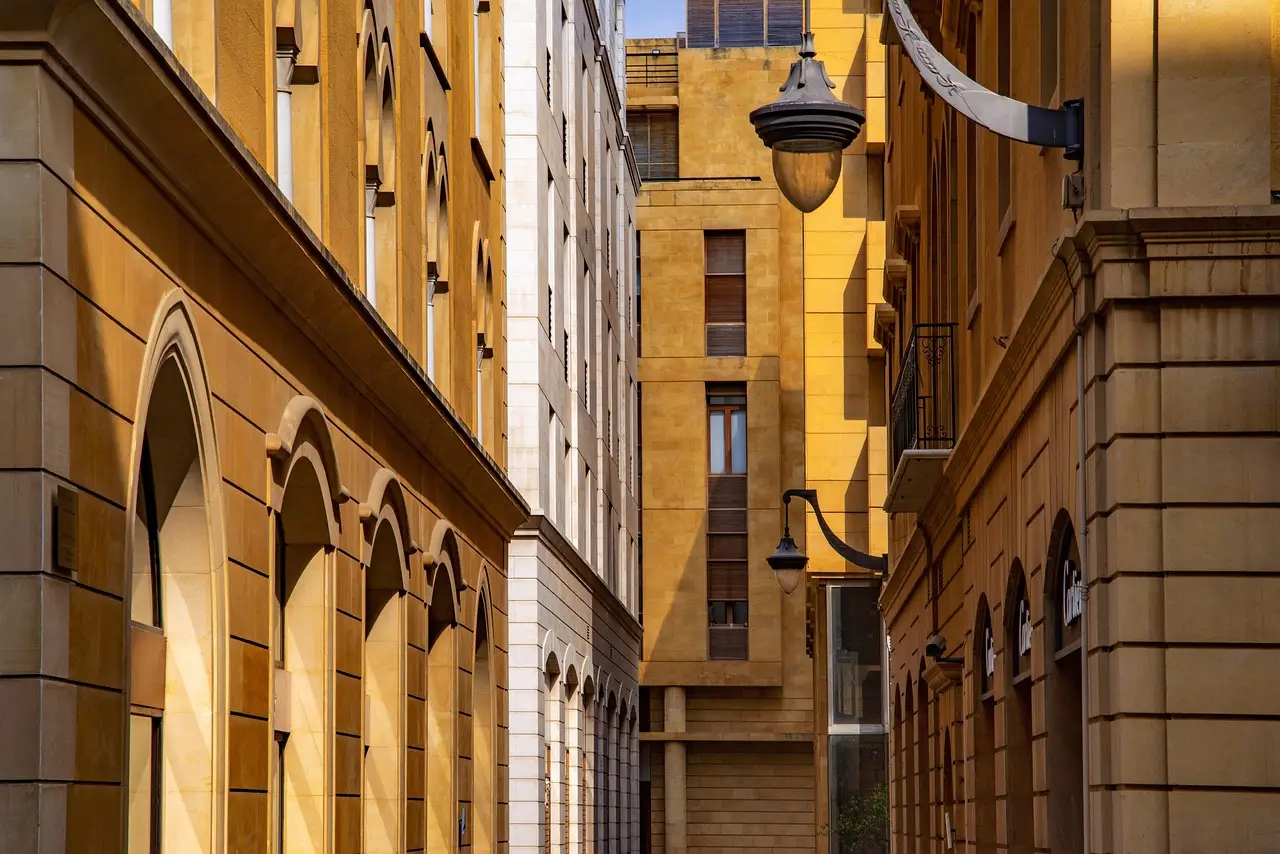
Myriam Boulos, the Lebanese photographer whose work confronts sex, war and revolution, is showing her photographs in Beirut under exactly that banner — the exhibition Ocula reports on under the title "Sex, War and Revolution in Beirut: The Photographs of Myriam Boulos."
The title does three things at once, and each matters for how practitioners should read the show. It names desire alongside destruction. It places the work in a specific city rather than a generalized "region." And it frames Boulos not as a documentarian of events but as a photographer of bodies, intimacy and revolt held in the same frame.
What does the title tell us about the work?
The pairing of "sex" with "war and revolution" is the sharpest signal here. Boulos's practice has built its reputation on refusing the division between the political and the personal: photographs of lovers, friends and night-time Beirut that carry the same urgency as photographs of protest and collapse. An exhibition that leads with "sex" before "war" states its priorities plainly.
For photographers, this curatorial framing changes something concrete. It positions intimacy — the bedroom, the party, the body — as first-order subject matter in a city usually processed abroad through rubble and gunfire. The lens moves from the street corner to the sheets and back without changing registers.
Why does the Beirut setting matter?
Ocula's headline specifies Beirut, and that specification is the story. Boulos photographs the city she lives in, not one she visits. The result, as the exhibition title implies, is work that treats revolution as lived experience rather than assignment — war as the backdrop to desire, desire as an act of resistance within war.
This is the insider position that editors increasingly ask for and that wire agencies struggle to commission. The photographer is not arriving after the event; she is inside it, and the photographs carry the complications of that position.
What does this mean for Boulos's trajectory?
A solo exhibition framed this way — thematic, personal, unapologetic about both — marks a consolidation. Boulos is presented as the author of a body of work with a defined subject, not as a contributor of single images to a news flow.
The critical question any visitor should bring is whether the work sustains that framing. Titles that promise sex, war and revolution promise a lot; the photographs have to hold intimacy and upheaval in the same exposure without one illustrating the other. On the evidence of the attention the show is drawing, they do.
Ocula's coverage indicates that Boulos's Beirut — horny, wounded and still fighting — will remain one of the most closely watched photographic subjects of the coming seasons.
Key points
- Myriam Boulos is showing photographs in Beirut under the title "Sex, War and Revolution in Beirut"
- The exhibition is reported by Ocula
- The show frames intimacy and desire alongside war and revolution as its core subjects
Source: Google News: photography exhibition
James Calloway
Show full bio
Market editor covering people, launches and day-to-day practice in Photography exhibitions, photographers, photo books, festivals and awards at Lens Gazette.