Mark McNulty's Clubland Captures 35 Years of British Rave History
Mark McNulty photographed four decades of British rave culture, from Bootle's Quadrant Park loophole to Berlin's million-strong Love Parade. His book In Clubland: 35 Summers of Love is on pre-order now.
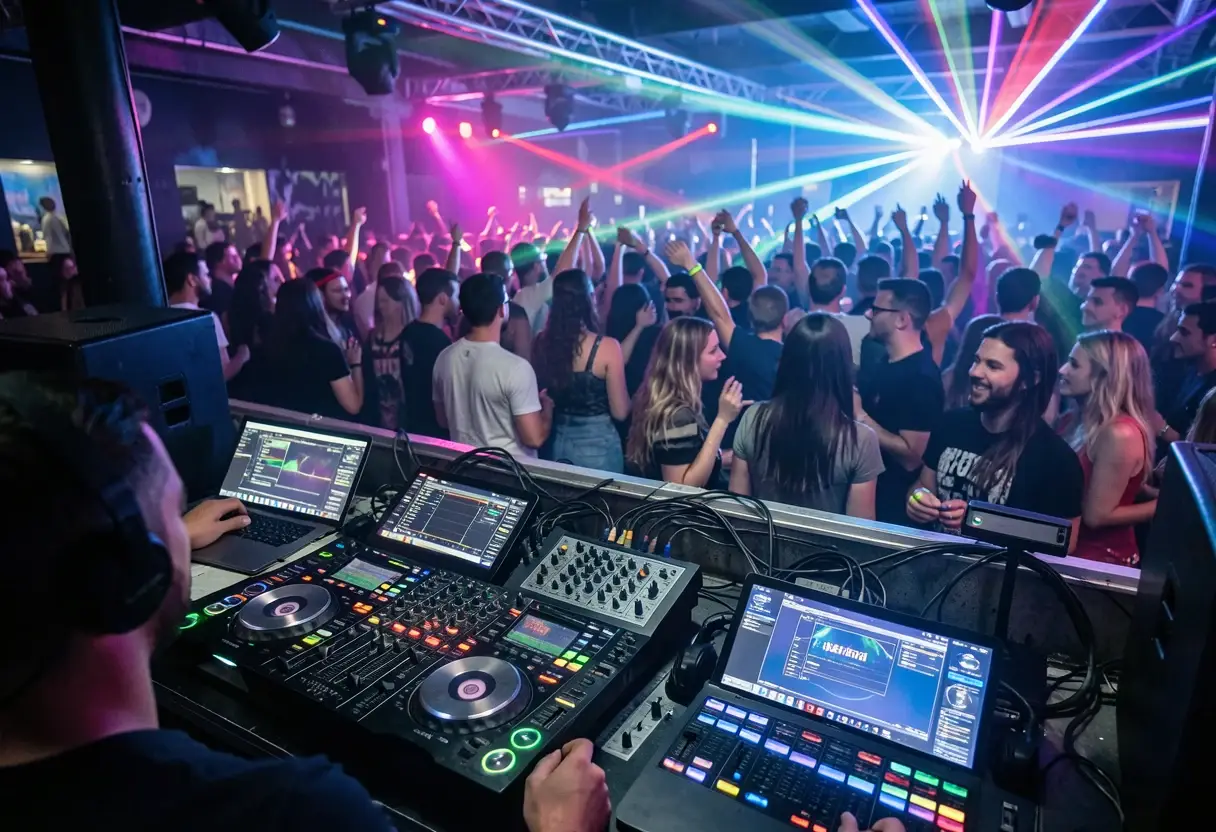
A photograph of two Liverpudlian clubbers in homemade "Babe" and "Gorgeous" T-shirts now hangs in Tate Britain's show The 90s — and it is one of hundreds Mark McNulty has packed into his new book, In Clubland: 35 Summers of Love, available to pre-order now.
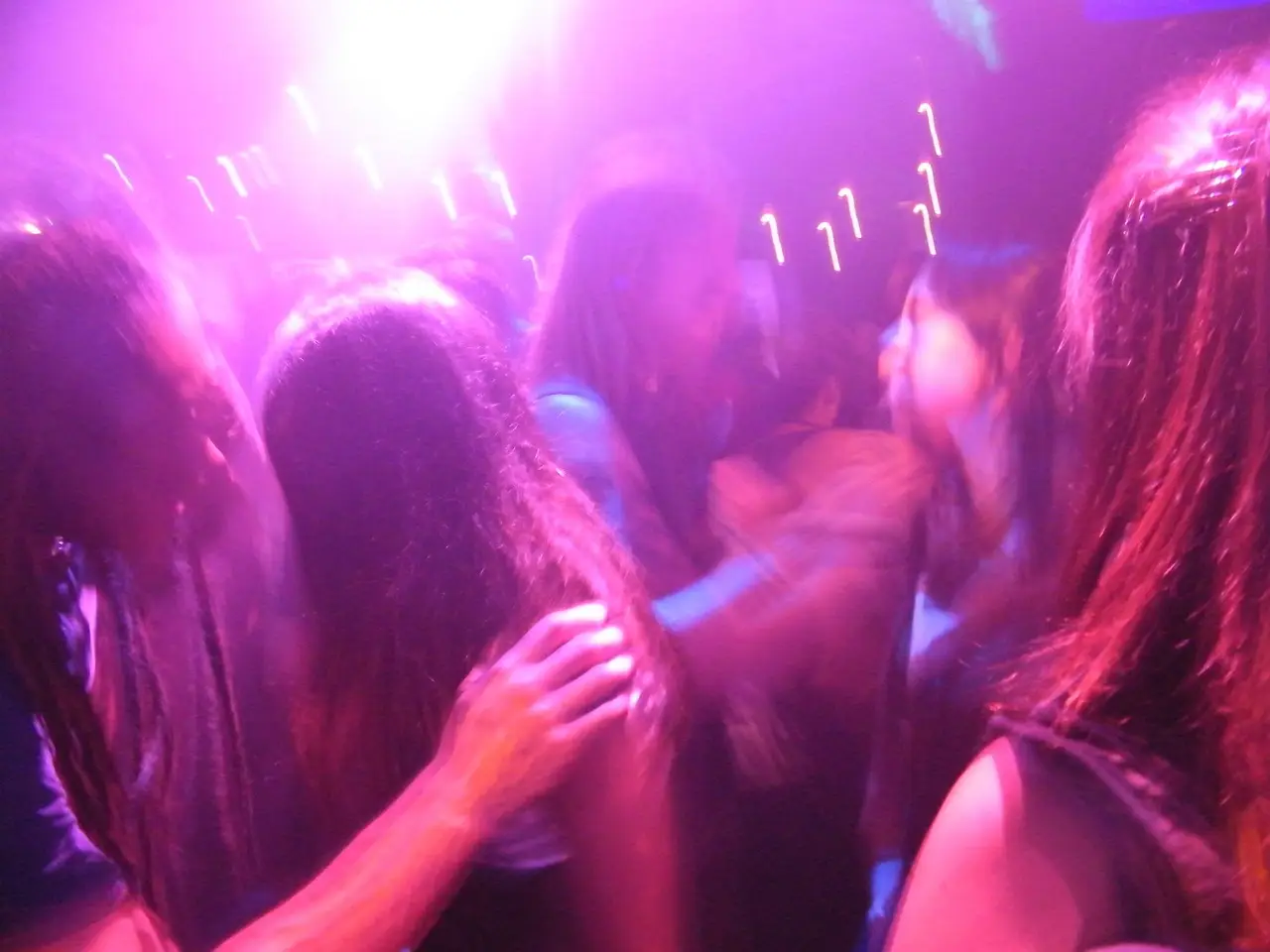
If a rave went off in Britain in the 1990s, McNulty was likely in the crowd with a camera. His lens tracked four decades of dance culture across Liverpool's Quadrant Park and the Haçienda, Berlin's Tresor, Bristol's Lakota, and impromptu after-parties in a Birmingham car park. That's the claim. The book's captions, all quoted in his own voice, mostly back it up.
What's actually in the book?
The material runs from the legal fringes to the chart-topping mainstream. McNulty's account of Quadrant Park, in Bootle just north of Liverpool, is a standout. It was, he says, the UK's first legal all-nighter — surviving on a licensing loophole that let it operate weekly as long as it didn't serve alcohol. "It was like falling in at the deep end," he recalls. "People were dancing on every single flat surface in the venue."
Elsewhere the venues stack up fast:
- Cream's Full On all-nighters in Liverpool, held monthly on Fridays when most clubs still closed at 2am
- Revolution at Bristol's Lakota, which drew coachloads of clubbers over from South Wales
- London nights including Trade at Turnmills and the Pirate Club at North London Polytechnic, where some revellers wore eye patches
- Flesh at the Haçienda — a Wednesday queer night, whatever its "Saturday night" banner suggested, hosted by Paul Cons and Lucy Scher with DJs Paulette and Kath McDermott
- Kaos in Leeds, on adventures that took in Back II Basics, a club still running 35 years later
One frame lands a genuine pop-history footnote. In April 1990, McNulty photographed an all-ages rave at Liverpool's Royal Court Theatre. Adamski was on the bill, fresh from re-recording his instrumental "Killer" with an unknown vocalist named Seal. The single had come out the week before. It went on to become the biggest-selling dance track of that year.
How much does the camera add?
McNulty's Berlin work gives the book its scale. "There's none bigger or better than the original Love Parade," he writes, describing bumping into Mark Reeder — the Manchester-born man who became Factory Records and Joy Division's representative in the city before founding the trance label MFS — in a crowd of nearly 1 million people.
The Tate inclusion matters more than the nostalgia. A picture of Nick Simpson and Craig Parr at Garlands, Liverpool's premier LGBT+ club in the 90s, sits in The 90s at Tate Britain — institutional recognition that rave photography documents social history, not just fashion. McNulty notes Flesh itself was instrumental in changing Manchester's LGBT+ scene. Whether a single book can hold four decades without flattening them into one long summer is a fair question. But the detail here — a hand-drawn smiley face tattoo on a shirtless dancer at Leicester's Pandora's Box, a 2am car park session under a Birmingham Holiday Inn in 1992 — resists easy generalisation.
The captions do the archival work: dates, licensing quirks, DJs, coach routes. Some memories wobble — McNulty admits the Leicester venue "could have been anywhere really" — and that honesty is part of the record's charm. Clubland history is notoriously patchy, and a photographer confessing the limits of his own recall is rarer than you'd think.
With In Clubland now in pre-order, the next test is whether the finished volume treats the era's shadier chapters — the licensing battles, the 1994 Criminal Justice Act's shadow over rave — with the same precision it gives the T-shirts. McNulty was there. The book will show whether he kept the negatives to prove it.
Key points
- In Clubland: 35 Summers of Love is available to pre-order now
- McNulty's Garlands photograph features in Tate Britain's show The 90s
- Quadrant Park in Bootle was the UK's first legal all-nighter, run on a no-alcohol licensing loophole
- He photographed a crowd of nearly 1 million at Berlin's original Love Parade
- His April 1990 Royal Court Theatre frame captures Adamski the week 'Killer', with Seal, became the year's biggest-selling dance track
Source: theguardian.com
Daniel Okafor
Show full bio
News editor covering companies, deals and strategy in Photography exhibitions, photographers, photo books, festivals and awards at Lens Gazette.