Lewis Hine's Documentary Landmark Lands at the Museum of Wisconsin Art
The Museum of Wisconsin Art in West Bend presents Lewis Hine's iconic documentary photography, from child labor reform to the Empire State Building steelworkers.
Updated
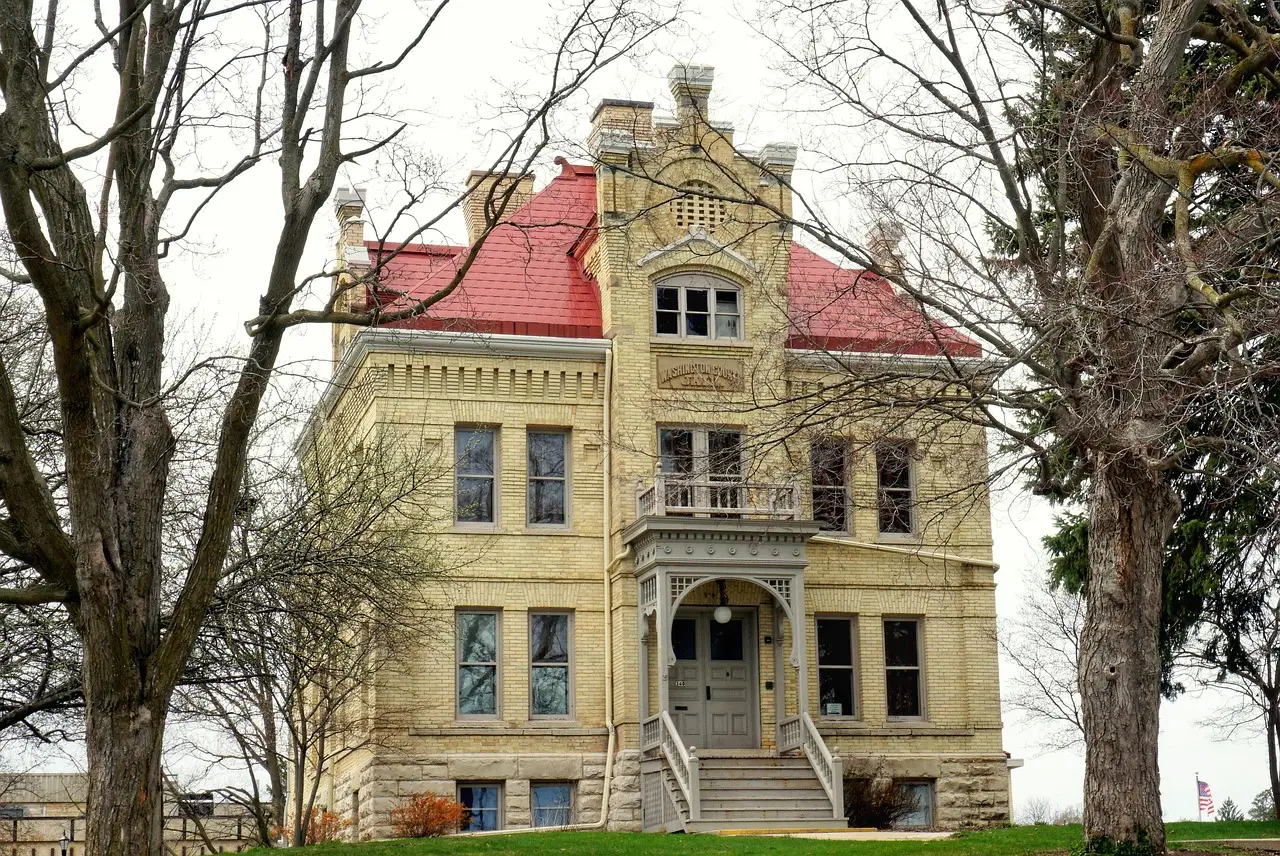
The Museum of Wisconsin Art in West Bend is presenting an exhibition of Lewis Hine's iconic documentary photography, giving the state a close look at one of the reforming medium's founding figures.
Hine occupies an odd spot in the canon. He's universally cited and rarely interrogated. A sociologist by training, he picked up the camera in the early twentieth century as an instrument of evidence rather than art — and in doing so, effectively wrote the grammar of socially committed photography that later generations, from the Farm Security Administration shooters onward, would inherit.
Why does Hine still matter?
His name is inseparable from two bodies of work. The first: child labor. From 1908, working with the National Child Labor Committee, Hine photographed youngsters in mills, mines and canneries across the United States, images that did genuine legislative work — they helped shift public opinion and fed the reform movement that eventually produced federal child labor law. He famously posed as a fire inspector, bible salesman or postcard vendor to get his camera past factory gates.
The second: his 1930s photographs of construction workers on the Empire State Building, men balanced on steel girders high above Fifth Avenue. Those pictures recast industrial labor as something between heroism and ballet, and they remain among the most reproduced images of the American twentieth century.
What should visitors expect?
According to the announcement from Washington County Insider, the West Bend showing is built around Hine's iconic documentary photography — the work for which he's a staple of history textbooks and museum surveys alike. The Museum of Wisconsin Art, known primarily for its holdings of Wisconsin art from the nineteenth century forward, is here reaching outward to a national figure, and that institutional stretch is itself worth noting.
It's also a useful reminder of how photography earned its museum legitimacy. Hine died in 1940, poor and largely forgotten. The revaluation came later: Berenice Abbott and Elizabeth McCausland rescued his archive, and by the 1970s he was firmly installed in the pantheon. Every Hine exhibition since is, in part, an artifact of that rescue.
Is the craft still convincing?
Mostly, yes. Hine's technique was unshowy — straightforward framing, available light, the subject squared up to the lens. That plainness was the point. A small girl framed against a spinning frame in a cotton mill doesn't need dramatizing; the facts do the work. Critics have occasionally argued his images tip into sentiment, and fair enough, some do. But the best of them hold up precisely because the photographer trusted the subject over the effect.
His legacy question is genuinely unsettled, too: can a photograph change policy? Hine's career is the strongest historical argument that it can — and the caveat, given how hard he had to fight for recognition and income, that it rarely changes the photographer's fortunes.
For Wisconsin audiences, the draw is straightforward: a chance to see the originals of images most people know only as textbook reproductions. Whether the West Bend presentation adds curatorial argument or simply rests on Hine's established reputation, we'll see when the doors open. Either way, a museum better known for regional painting is betting on the documentary tradition — a wager more institutions are making as photography's institutional footing keeps solidifying.
— Olivia Hart
Key points
- The Museum of Wisconsin Art in West Bend is presenting an exhibition of Lewis Hine's documentary photography.
- Hine photographed child labor for the National Child Labor Committee from 1908.
- His Empire State Building construction images date from the 1930s.
- Hine died in 1940; his archive was rescued by Berenice Abbott and Elizabeth McCausland.
Source: Google News: photography museum
Olivia Hart
Show full bio
Staff writer covering people, launches and day-to-day practice in Photography exhibitions, photographers, photo books, festivals and awards at Lens Gazette.