Memo Review Turns to Brassaï's Secret Paris
Memo Review has published a review of Brassaï's Secret Paris, reopening debate over the 1930s night series and what its patient method still teaches working photographers.
Updated
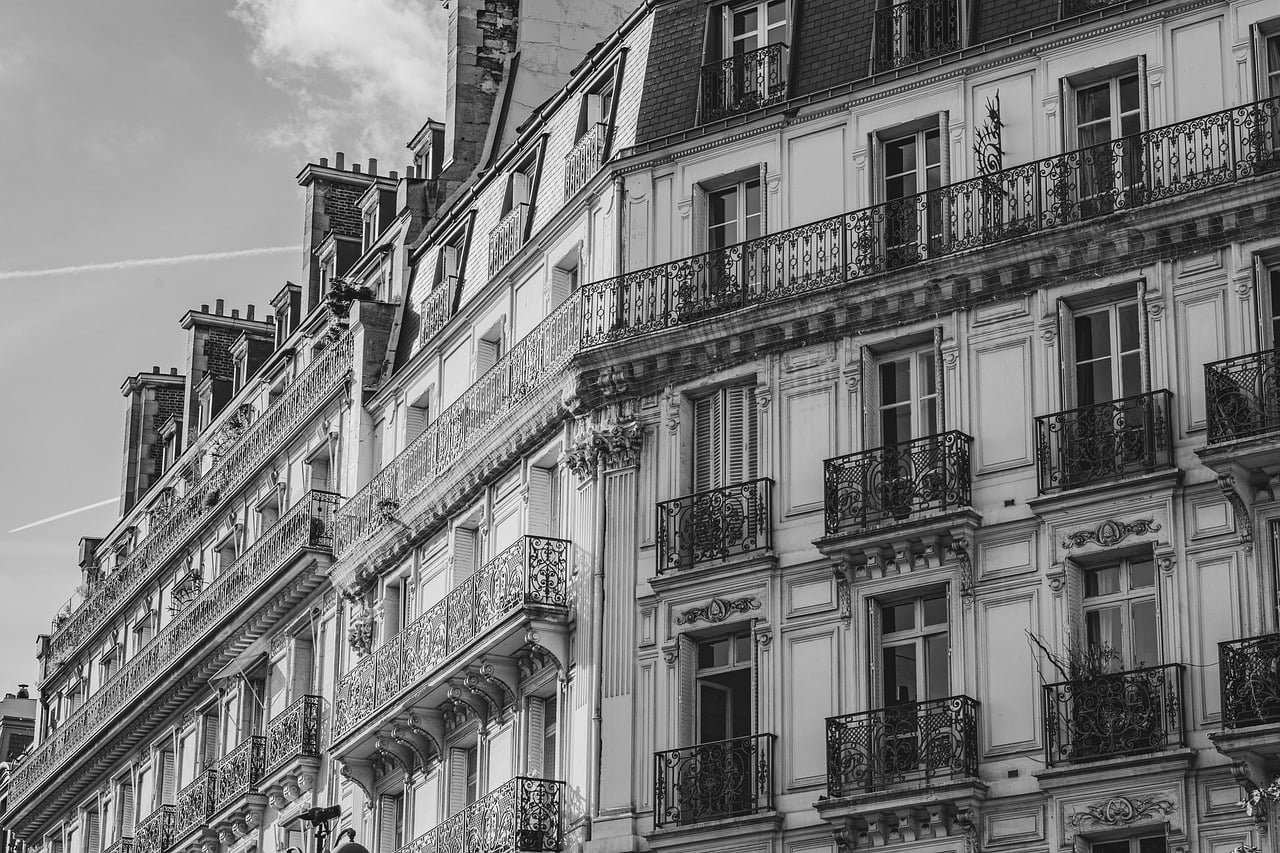
Memo Review has published a review of "Brassaï: Secret Paris," returning one of photography's foundational nocturne-makers to the front of the critical conversation. The review's subject alone signals the stakes: Brassaï remains the photographer against whom virtually every subsequent depiction of Paris after dark — its brothels, its fog-wet boulevards, its workers leaving shift — continues to be measured.
For practitioners, the significance of a new review of Brassaï lies in what it asks of the work now. Brassaï built his Paris pictures in the early 1930s, working the city at night with slow plate exposures and, often, the cooperation of the people he photographed. He did not snatch images; he negotiated them, returning repeatedly to the same bars and alleys until the pictures he wanted became possible. That method — patience as technique — is the part of his craft that the review's renewed attention makes newly useful.
What does a review of historic work change?
It changes the terms of the argument. When an outlet such as Memo Review revisits "Secret Paris," it implicitly asks whether the series functions today as documentary record, as staged collaboration, or as mythology. Brassaï's night Paris was already partly a construction when he made it: he published it as a book, Paris de nuit, in 1933, and the city it described was as much his invention as his discovery. Reviews that take the series seriously as authorship rather than as nostalgia give working photographers a sharper model — one in which a city is a long-term project with a consistent authorial eye, not a location to be harvested.
The review's title, "Secret Paris," points to the axis on which Brassaï's reputation turns. His subjects — prostitutes, opium dens, the demimonde of Montparnasse, lovers in café corners — were the city's concealed population, and his access to them was earned over years, not evenings. The question any serious re-reading must answer is whether that intimacy reads as revelation or as exploitation, and the honest answer has shifted with each generation of critics.
Why Brassaï still sets the benchmark
Three aspects of the work explain its durability, and each bears on contemporary practice.
- Sustained access. Brassaï photographed the same nocturnal world across years, letting trust accumulate. The resulting images carry an ease that no single-visit approach reproduces.
- Technical restraint. He accepted the limits of available light rather than fighting them, letting blur and grain define the atmosphere instead of disqualifying the frame.
- Editorial shaping. From his contributions to the surrealist journal Minotaure onward, he sequenced and contextualized his own pictures, controlling their meaning as a body rather than as singles.
Each of these is a decision, not a default, and the review's value lies in which of the three it chooses to emphasize.
The institutional afterlife
Brassaï's place in the canon is settled; the argument now is over which Brassaï. Museums and publishers have circulated his night work continuously for decades, and each new critical treatment — Memo Review's included — effectively curates a slightly different photographer: the flâneur, the anthropologist, or the collaborator. Readers of the review will find the sharpest question embedded in its framing: whether the "secret" in the title belonged to Paris at all, or to Brassaï's own patient method of making it visible.
What practitioners should watch is where this re-reading points next. If reviews of this caliber continue to treat historic series as active arguments rather than heritage, expect Brassaï's Paris — and the questions of access and authorship it raises — to stay in circulation well beyond this publication.
Key points
- Memo Review has published a review of "Brassaï: Secret Paris"
- Brassaï's night Paris first appeared as the book Paris de nuit in 1933
- The review reopens debate over the series as record versus authored mythology
- Brassaï built his nocturnal body of work across the early 1930s
Source: Google News: photography exhibition
James Calloway
Show full bio
Market editor covering people, launches and day-to-day practice in Photography exhibitions, photographers, photo books, festivals and awards at Lens Gazette.