Jason Leo Bantle captures The Boss beside Banff railway tracks
Jason Leo Bantle photographed the 28-year-old grizzly The Boss beside Banff railway tracks on November 6, observing from afar with an 840mm lens and binoculars.
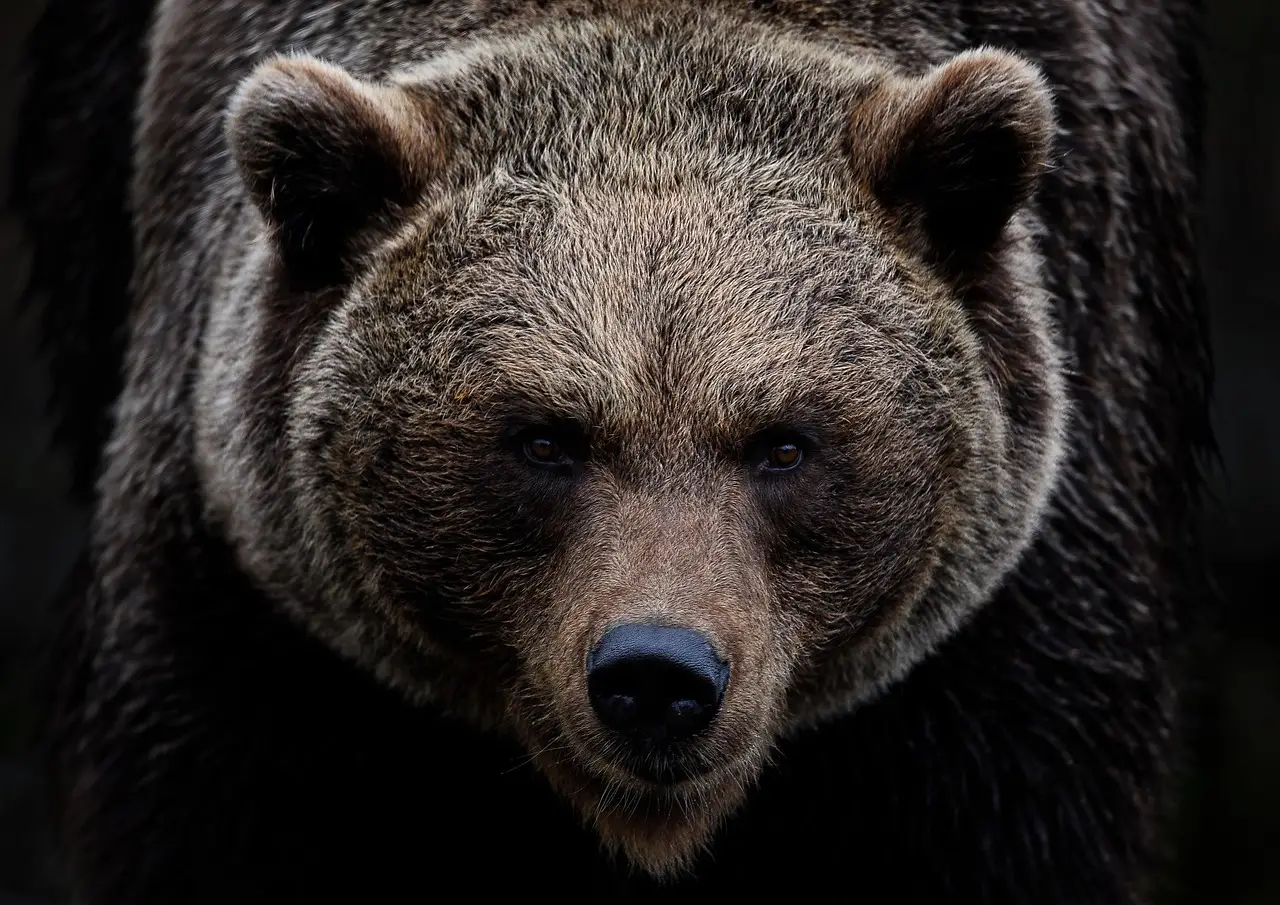
On November 6, as hibernation approached, photographer Jason Leo Bantle photographed the grizzly known as The Boss foraging along railway tracks in Banff National Park, Canada. Bantle first found fresh tracks in the snow, then returned because he knew the grizzly remained nearby.
How did The Boss find food along the tracks?
The Boss has learned to associate the tracks with food, including grains dropped from railcars and animals struck along the route. Bantle told PetaPixel that when food is not plentiful in the backcountry, the tracks may offer some subsistence.
That learned route places a famous predator beside human transport, but the encounter involved no direct contact. Bantle waited at what he described as a great distance.
What does “habituated” mean for this encounter?
Over the weekend, The New York Times ran an article reporting that park management classifies The Boss as “habituated.” The designation means he is not bothered by people provided they leave him alone.
Paul Klra, a gas station owner and photographer, told the Times: “The biggest thing is his gentleness and his respect towards the people. He has never done any harm to anyone.”
That account supports the picture’s central tension. A celebrated bear can remain close to railway infrastructure, while his tolerance requires distance rather than casual approach.
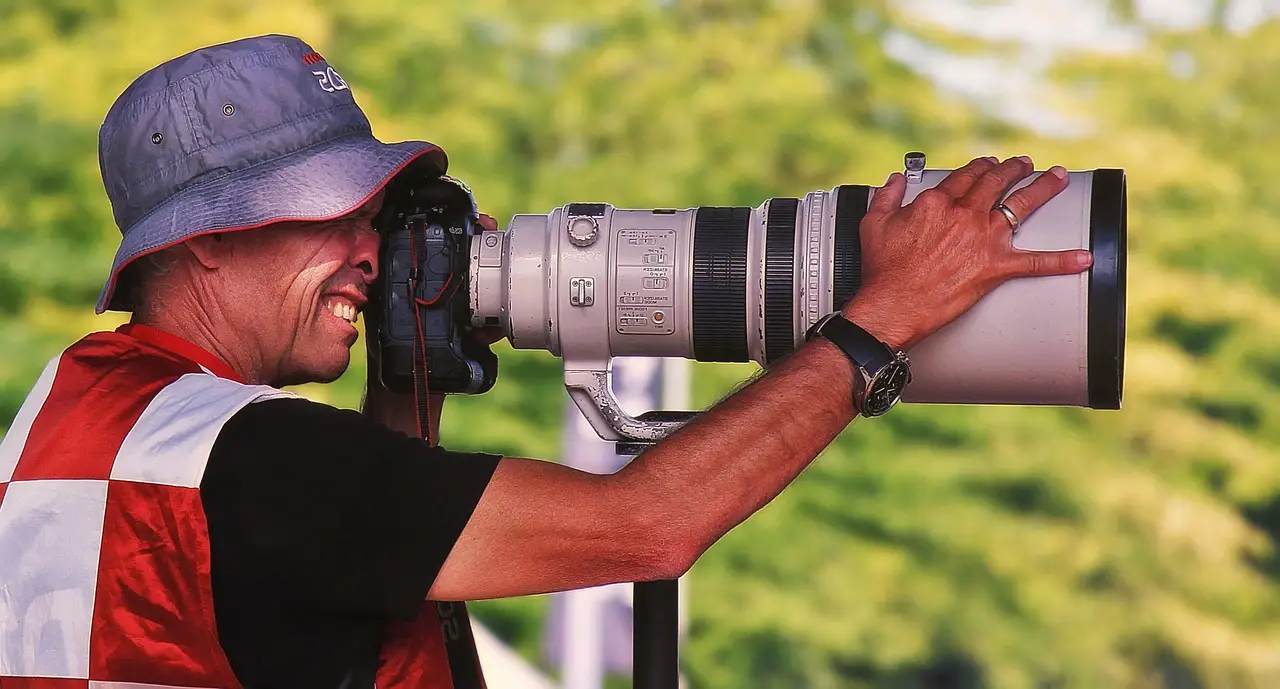
Bantle was aware of the risks of approaching a grizzly in the wild, so he waited far away and observed through an 840mm telephoto lens and binoculars. The 840mm lens and binoculars separate looking from entering the scene. That choice makes the photograph’s proximity optical rather than physical.
What does the frame contain?
One image shows The Boss lumbering toward Bantle through a light snowfall, with no wind. Bantle described the encounter as humbling: the grandeur of an apex predator softened by a quiet, gentle presence.
The resulting frame holds two scales at once: the physical authority of a large grizzly and the restraint required to photograph it without disturbing its foraging. His wider account explains the concentration behind the image. Bantle told PetaPixel: “As a professional photographer, you are focused on your craft and capturing an image that is the essence of the animal and their environment, so you do lose yourself in the moment.”
For a practitioner, that loss of self is procedural as much as emotional. The sequence begins with tracks, moves through a return on November 6 and identification at a distance, and only then produces a frame. That sequence turns the photograph into evidence of observation rather than evidence of proximity alone.
How dangerous is The Boss?
Despite his gentleness around people, The Boss has harmed other bears, according to the Times report. His biggest rival in the area is Split Lip, whom The Boss “gave that lip.”
The Boss has also survived being struck by a train and is known to kill and eat black bears, the Times reported. Yet a park ecologist told the Times that 90% of The Boss’s diet consists of berries, roots and other plants. That figure matters because repeated conflict with bears does not make his feeding ecology predominantly carnivorous.
The record therefore resists a single character portrait: the same individual tolerates people, harms other bears, survives railway danger and feeds mostly on vegetation.
How does age shape The Boss’s public presence?
His age is thought to be 28 years old, an advanced age for a bear. Bantle treats The Boss as a living legend, and his international fame turns each emergence from hibernation into news.
For photographers, familiarity with a famous face creates its own risk. Recognition can encourage a search for spectacle even when the responsible image depends on patience and distance. Bantle’s account points to the opposite method. The first subject was a set of tracks in snow; the next was a known bear, and only then did the camera become part of the encounter.
The portrait’s force comes partly from that order. The viewer receives a legendary animal without being brought closer than the photographer’s protocol allows.
What institutional context does the photograph carry?
Park management’s “habituated” label provides the institutional context for that protocol. It records tolerance but does not erase the bear’s wild status or the risks of approach. The distinction is practical for editors as well as photographers. An image can document a celebrated individual while still showing that the encounter remained observational, not participatory.
That distinction should guide how the photograph is published and captioned: the name attracts attention, but the stated 840mm lens and November 6 snow conditions give the frame documentary weight. Without those details, “The Boss” risks becoming a personality label detached from behavior, place and the conditions under which the image was made.
What happens as hibernation approaches?
The Boss’s next emergence is likely to draw news attention again because his appearances have become an international event. His track-side foraging also leaves a practical question for park staff and photographers: how can they observe a familiar, habituated bear without normalizing closer approaches?
The source offers no policy answer, but it states the boundary plainly: leave him alone. For the next photographic cycle, the useful measure will be whether a new image preserves that separation while revealing the animal and its environment with the precision Bantle found in the snow. The coming cycle should therefore be judged by more than the drama of another portrait. It should show whether photographers can keep a legendary subject legible without making his tolerance an excuse to approach.
Key points
- Jason Leo Bantle photographed The Boss along railway tracks in Banff National Park on November 6.
- Bantle observed the grizzly from a distance with an 840mm telephoto lens and binoculars.
- Park management categorizes the 28-year-old grizzly as habituated, provided people leave him alone.
- The Boss has survived a train strike and is known to kill and eat black bears.
- A park ecologist told The Times that 90% of The Boss’s diet consists of berries, roots and other plants.
Original: allinthewild.com
James Calloway
Show full bio
Market editor covering people, launches and day-to-day practice in Photography exhibitions, photographers, photo books, festivals and awards at Lens Gazette.