Seven Years With One Wolf Pack: Bertie Gregory's Arctic Bet on Care
Bertie Gregory spent seven years with one Hudson Bay wolf pack. His Nat Geo series premieres November 6, arguing that caring for subjects makes better wildlife films.

Seven years is a long time to follow a single wolf pack, and Bertie Gregory has done exactly that. The British wildlife filmmaker's new National Geographic program, Wolves Up Close With Bertie Gregory, premieres November 6 on National Geographic and streams the following day on Hulu and Disney+. It was shot around Hudson Bay, Canada, in habitat the Arctic does not forgive.
Gregory spoke to PetaPixel about the production, and his account raises a question older documentary practice would rather avoid: should a filmmaker care about his subjects?
What does the film actually contain?
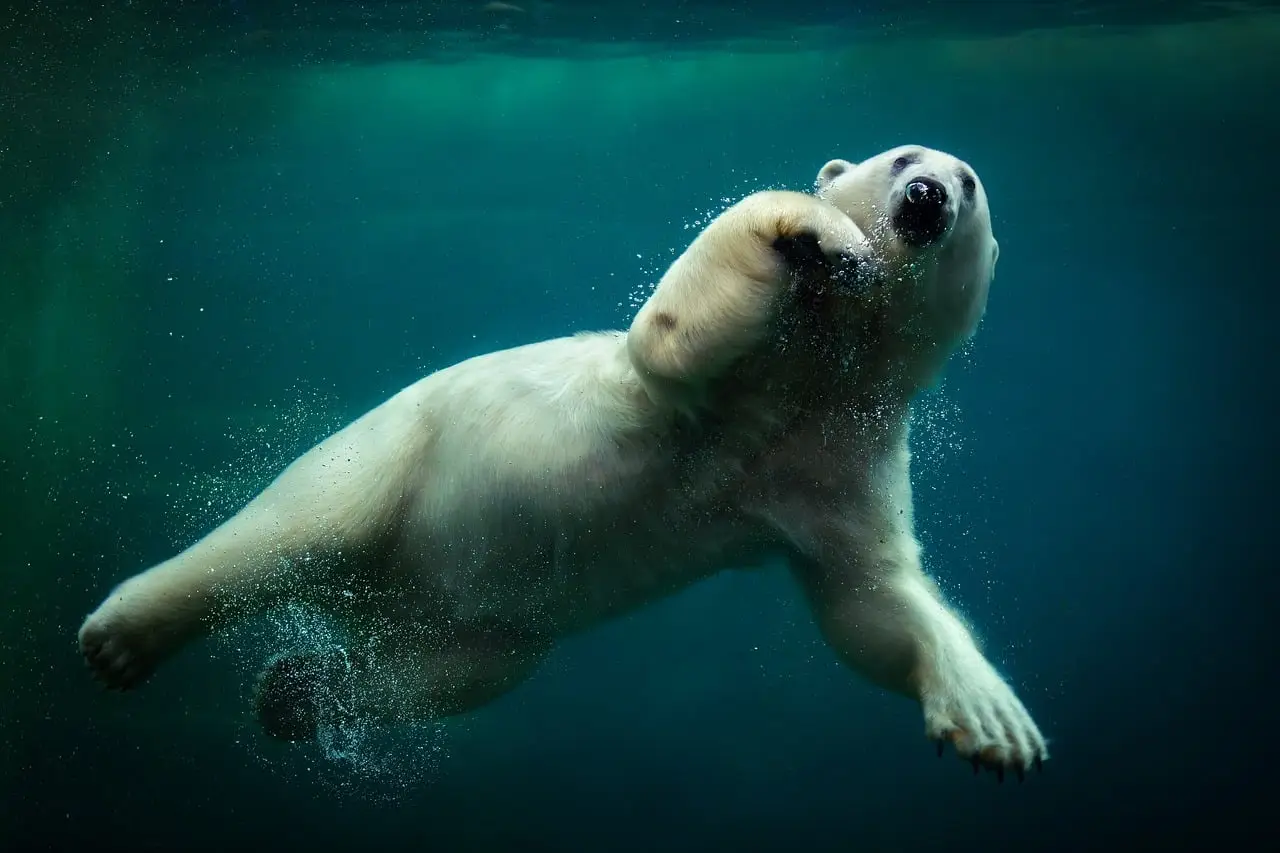
Wolves are the headline, but not the whole show. The program also films polar bears, red foxes, and moose. One sequence puts a pair of polar bears uncomfortably close to Gregory and his small crew. He brushes off the danger, crediting local guides Mike Reimer and Albert "Butch" Saunders with keeping everyone safe.
His reasoning is blunt. "They're potentially dangerous animals," Gregory admits about the bears and moose. "But humans are really dangerous animals. You know, statistically much more dangerous than a polar bear or a moose. Just like with humans, you've got to read body language to stay safe."
The cold, meanwhile, never let up. "Any time during the episode, I was cold," he says. "I was feeling cold." Two sentences. Take them as the review of working conditions.
Does attachment compromise the work?
Here is the film's real argument. Traditional wildlife documentary practice trains filmmakers to stay detached from the animals they shoot. Gregory calls that doctrine, in his word, "BS." Follow one animal family for seven years, he argues, and caring is unavoidable.
"I think if you don't care about them, you're pretty weird," he says. He concedes the bond runs one way — the wolves "don't care about us" — but insists, "I care about them." He isn't chasing connection. He simply isn't suppressing it.
His filming strategy depends on that acceptance. Filmmakers can hide from animals, he explains, or let the animals know they're there and tolerate the presence. With these wolves, it's the second approach. "They see us as kind of a part of the landscape." That tolerance is what allowed the crew to stay close for years.
Gregory likens the resulting footage to a child's drawing or a handmade gift: when you know work is made with love, its quality changes for the viewer. He believes documentaries crafted with "real immense care and admiration for the animal" communicate that without effort. "I don't think you need to try too hard to illustrate that," he says. "It just comes through naturally." A claim like that is unprovable, of course. The footage will have to argue for itself.
Nature, for the record, refused to cooperate on schedule. "One of the best parts about filming nature, and also the most annoying part, is that it doesn't read the script," Gregory laughs. He jokes that the production team writes a script, and nature responds on day one with "Nope."
What did the drone capture?
The production's centerpiece, shared by National Geographic as a clip, shows the pack chasing down a moose, filmed from a drone. Gregory frames it as a first: "something that no human in that area had ever seen before." Guide Mike Reimer, he notes, has watched wolves for 30 years and never witnessed it.
"We combined amazing traditional knowledge with new technology," Gregory says. "That's the dream combo. Old school with new school, working together."
The wolf leading the hunt was Kona, named by Saunders, whom Gregory has watched grow into a pack leader. Kona latched onto a moose's rear leg. "I was like, 'No one's ever gonna believe this,'" Gregory recalls. Then doubt set in — he didn't think Kona would survive the toll on his body. Kona did survive. But the show includes a sobering moment in which Gregory looks at the aging wolf and reflects on how few Arctic winters he has left, certainly as leader. For one moment, at least, Kona looked every bit the apex predator.
Why is Gregory angry outside the Arctic?
The film arrives as the U.S. federal government weighs delisting gray wolves and Mexican wolves from the Endangered Species Act, potentially removing protections that helped wolves rebound in the United States. Gregory doesn't mince words: "That's just so dumb on so many levels."
He urges viewers to contact politicians and people of influence. "Not only are wolves important for wild places, but they're representative of who we are as a species," he says. His sharpest point is a comparison, not an adjective: we let dogs sleep in our beds, yet treat their closest wild relative horribly. Whether one film can shift that reflex is an open question. Gregory, for seven years and counting, is betting it can.
Key points
- Wolves Up Close With Bertie Gregory premieres November 6 on National Geographic, streaming November 7 on Hulu and Disney+
- Gregory has followed the same Hudson Bay wolf pack for seven years
- A drone filmed a pack hunt of a moose that guide Mike Reimer, watching wolves for 30 years, had never seen
- The U.S. federal government is weighing delisting gray wolves and Mexican wolves from the Endangered Species Act
Original: idahocapitalsun.com
Daniel Okafor
Show full bio
News editor covering companies, deals and strategy in Photography exhibitions, photographers, photo books, festivals and awards at Lens Gazette.